Does silicone release microplastics? What research says about the products you use daily
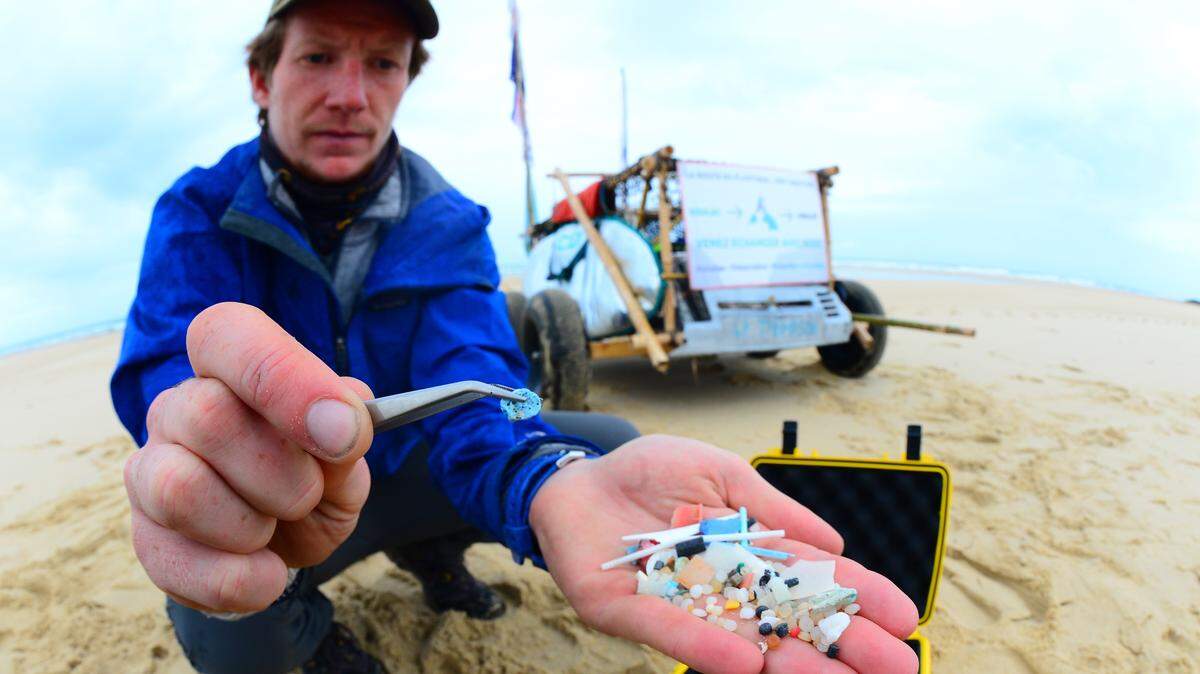
Reusable silicone products have become a staple in the low-waste movement. Silicone food bags, baking mats, spatulas, baby pacifiers and collapsible water bottles are now marketed as eco-friendlier replacements for disposable plastics and aging nonstick cookware.
For many shoppers, the switch feels logical: silicone is reusable, flexible and generally more durable than single-use plastic. But growing awareness around microplastics has also created a new wave of anxiety online.
Consumers trying to reduce environmental exposure are now asking whether silicone could eventually become part of the same problem they were trying to avoid — and some experts are spearheading that uncertainty.
Does silicone release microplastics?
Current evidence suggests silicone does not break down into microplastics the same way conventional plastics like polyethylene or polypropylene do.
The U.S. Environmental Protection Agency (EPA) defines microplastics as particles ranging from 5 millimeters down to 1 nanometer. Traditional plastics can release these particles through scratching, heating and gradual wear over time.
Silicone can still degrade with repeated use, but researchers say the material appears to fragment differently.
Oliver Jones, a chemistry professor at RMIT in Naarm/Melbourne, told the Australian Broadcasting Corporation (ABC) that silicone products are generally “quite inert and don’t break down very easily.” He added that silicone may still wear down eventually, though the resulting particles are often much larger than typical microplastics.
Jones also said more research is needed, but he believes the overall risks appear relatively low.
FAQ about silicone and microplastics
Silicone sits in a strange middle ground for many eco-conscious shoppers. It’s widely considered more durable and reusable than disposable plastic, yet questions still remain about long-term wear, fragmentation and safety. Here are the most common questions experts are currently trying to answer about silicone and microplastics.
Is silicone considered plastic?
Not exactly. Silicone and plastic are both classified as polymers, but they are built differently at the molecular level. Traditional plastics rely on carbon-based chains, while silicone is built on silicon-oxygen chains, which is one reason it behaves differently under heat and long-term wear.
What is silicone made of?
Silicone is a synthetic material made from silicon derived from sand, along with oxygen, carbon and hydrogen. Manufacturers combine these ingredients to create the flexible, rubber-like material commonly used in bakeware, kitchen utensils, baby products and reusable food storage containers.
Is silicone safer than disposable plastic?
Many researchers believe silicone is likely safer than disposable plastic because it is more durable, reusable and less likely to fragment into microplastics. Dr. Lisa Erdle of the 5 Gyres Institute told Better Homes & Gardens that silicone can be a better choice when it replaces single-use plastics that shed particles and leach chemicals.
Do all experts agree silicone is safe?
Not fully. Some researchers believe silicone is a meaningful improvement over disposable plastic, while others remain cautious. Marine biologist and microplastics researcher Vilde Snekkevik told the BBC that silicone is “definitely a good alternative,” but she still recommends glass and stainless steel as stronger long-term options when possible.
How can you tell if silicone is high quality?
Experts recommend looking for products labeled “100% food-grade silicone” or “LFGB-certified,” a stricter German food safety standard. Platinum-cured silicone is generally preferred over peroxide-cured silicone because it leaves behind fewer residual chemicals and is often considered higher quality.
What do low-quality silicone products look like?
Pure food-grade silicone is usually translucent or slightly cloudy white with faint gray or blue undertones. Cheap silicone products may smell strongly, feel greasy, discolor quickly or develop a chalky texture over time. Bright colors are not automatically unsafe, but lower-quality products may use less-regulated pigments and fillers.
Can silicone handle high heat?
Most food-grade silicone products are designed to handle temperatures up to around 428 degrees Fahrenheit, though some formulations are rated closer to 500 degrees. Silicone can also tolerate temperatures down to roughly minus 40 degrees, making it popular for both baking and freezer storage.
What damages silicone the fastest?
Repeated exposure to sustained high heat can accelerate wear. Erdle recommends avoiding regular cooking or baking at maximum temperatures because silicone may degrade faster over time even if it does not visibly melt. Sharp utensils, oil buildup and dishwasher heating elements can also shorten a product’s lifespan.
When should silicone products be replaced?
Experts recommend replacing silicone that becomes sticky, cracked, brittle, oily or visibly discolored. These changes can signal material breakdown after repeated use. Regular cleaning, avoiding sharp utensils and placing silicone on the dishwasher’s top rack may help products last longer.
Is silicone environmentally friendly?
Silicone is not biodegradable, and recycling options remain limited compared to glass or metal. Still, many sustainability experts see it as a better alternative to disposable plastics because it is designed for long-term reuse and generally lasts much longer before needing replacement.
This article was created by content specialists using various tools, including AI.