New federal program aims to build first-ever tools for detecting microplastics in humans
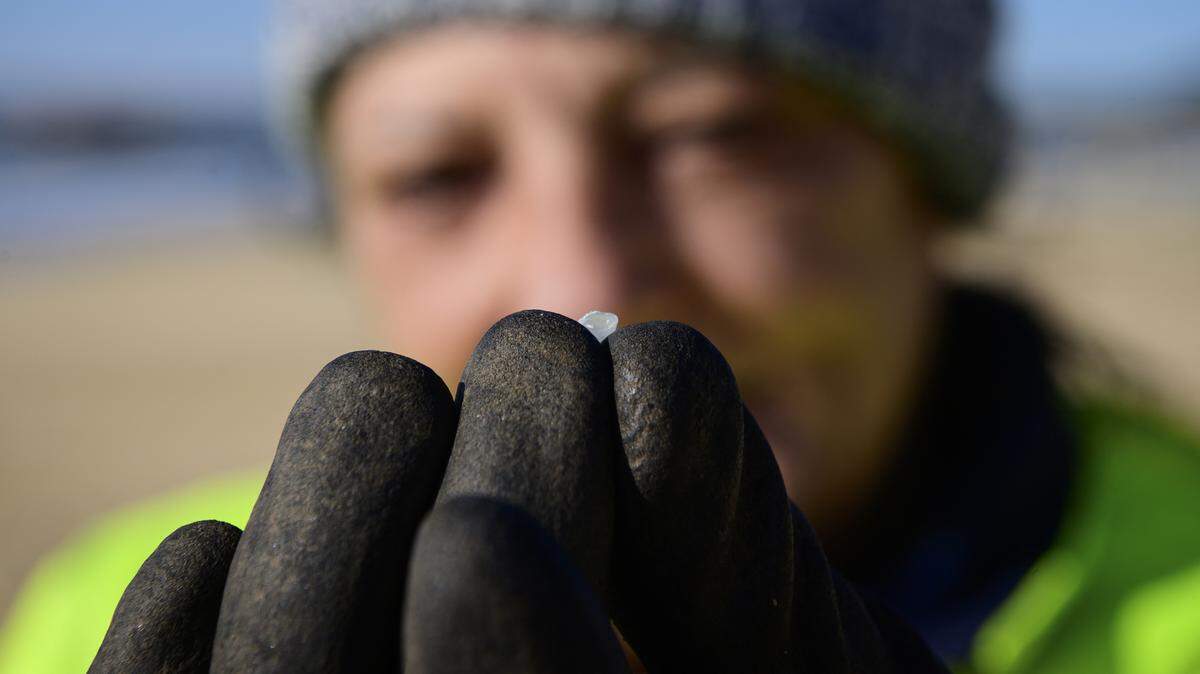
The federal government just committed $144 million to figure out what microplastics in humans are actually doing to us — and whether the silicone straws, baby bottles and storage bags filling American kitchens are really the safer swap they’re marketed to be.
The Advanced Research Projects Agency for Health (ARPA-H), an agency within the U.S. Department of Health and Human Services, launched its Systematic Targeting Of MicroPlastics program, known as STOMP, on April 2, 2026.
The reason it exists is unsettling: scientists have found plastic particles in human lungs, arterial plaques and brains, but they still can’t reliably measure them, rank which types are most dangerous or remove them from the body.
As a result, consumers shopping for safer alternatives are making decisions without the data to back them up.
What are microplastics?
Microplastics are “plastic particles ranging in size from 5 millimeters (mm), which is about the size of a pencil eraser, to 1 nanometer (nm),” according to the U.S. Environmental Protection Agency (EPA).
Some are visible to the eye. Others are so small they can only be detected with specialized equipment. And there’s a lot of them.
According to Stanford Medicine, between 10 and 40 million metric tons of microplastics enter the environment every year — and that number could double by 2040.
Where do microplastics come from?
Most people picture water bottles and food containers, but the biggest contributors are often less obvious. According to Penn State’s Institute of Energy and the Environment, major sources of microplastic pollution include:
- Synthetic clothing
- Car tires
- City dust
- Road markings
- Marine coatings
Everyday wear and tear slowly breaks these materials down into microscopic particles that spread through air, soil and water.
Why are scientists worried about microplastics in humans?
Researchers are still trying to understand exactly what these particles do once they enter the body, but early findings have raised concerns. Animal studies have linked microplastics to:
- Cancer
- Heart attacks
- Reproductive problems
Human studies have so far shown strong correlations between microplastic exposure and health issues, though scientists are still working to prove direct cause-and-effect relationships.
The bigger issue is that researchers are still operating with incomplete information. Current testing methods produce inconsistent results across laboratories. Scientists also do not yet know:
- Which plastics are most harmful
- Which organs are most vulnerable
- How different plastics behave inside the body
- Whether certain exposure levels are considered dangerous
In other words: scientists cannot remove what they cannot accurately measure. And if they can’t accurately measure it, then they have no way of effectively treating or removing it.
What is the new STOMP program?
STOMP, which stands for Systematic Targeting Of MicroPlastics, is a new $144 million initiative being carried out by the ARPA-H and HHS..
The program’s goal is ambitious: create “the definitive toolbox for measuring, researching and affordably removing” microplastics from the human body.
ARPA-H Director Alicia Jackson, Ph.D., said the field has been stuck without clear answers for too long.
“Microplastics are in every organ we look at—in ourselves and in our children. But we don’t know which ones are harmful or how to remove them,” she said in a press release. “Nobody wants unknown particles accumulating in their body. The field is working in the dark. STOMP is turning on the lights.”
How will STOMP work?
The program is split into two phases. First, researchers will create a clinical test capable of telling someone how much plastic is in their body, which will be validated by the CDC.
They will also rank different types of plastics by how dangerous they appear to be and create a priority list for future treatment efforts. This matters because not all plastics behave the same way inside the body.
The second step is figuring out how to remove them from different organs and tissues in the body.
The program is especially focused on pregnant women, children, people with chronic illnesses and workers with high plastic exposure. All tools developed are intended to be affordable and widely accessible.
How to avoid microplastics while scientists search for answers
ARPA-H Program Manager Shannon Greene, Ph.D., said avoiding plastics entirely simply is not realistic anymore.
“It’s physically impossible for us to completely divorce our lives from plastics,” Greene said in the press release. “They are in everything we touch—our clothes, the materials from which we get our food and water.”
Many consumers are already trying to reduce their exposure — even without definitive guidance.
That’s helped fuel interest in alternatives like silicone straws, silicone baby bottles, reusable silicone storage bags and silicone baking mats.
Does silicone have microplastics?
Technically, food-grade silicone does not break down into microplastics the same way traditional plastics do. Food-grade silicone is BPA-free, heat-resistant and generally considered lower risk for consumer use.
But the answer is not completely black and white.
Silicone is still technically a polymer, meaning it falls under the broader plastics family. Lower-quality silicone products can degrade over time, especially under extreme heat or when exposed to harsh substances. Silicone is also not biodegradable.
That’s why many experts still recommend buying high-quality food-grade silicone products rather than the cheapest available options.
Silicone and microplastics vs. glass and stainless steel
For people looking for the most durable long-term alternative, glass and stainless steel are still widely considered the safest options.
Unlike plastic, neither material leaches chemicals into food, and both are endlessly recyclable.
The downside is practicality.
Glass is breakable. Stainless steel can be heavier and more expensive. Silicone often sits in the middle — lighter and more flexible than glass, but not completely free from environmental concerns either.
The bigger issue isn’t just plastic — it’s uncertainty
Right now, consumers trying to avoid microplastics are mostly making educated guesses.
Some swap plastic containers for silicone. Others switch entirely to glass or stainless steel. But scientists still do not fully know which plastics pose the greatest risk inside the human body.
That uncertainty is exactly why the STOMP program exists.
The hope is that, for the first time, researchers will finally have standardized tools to measure microplastics in humans, identify the most dangerous particles and eventually develop ways to remove them — replacing fear and guesswork with actual data.
This article was created by content specialists using various tools, including AI.