Trying an OTC CGM for Diabetes? Compare Stelo, Lingo and Levels Before Buying One
Over-the-counter continuous glucose monitors have moved from a diabetes-only tool into the broader metabolic health conversation, and shoppers now face a real decision. Here is an OTC CGM comparison of the three names you are most likely to encounter — Stelo, Lingo and Levels — and what each one actually offers.
What Is a Continuous Glucose Monitor, and Who Is It For?
A continuous glucose monitor, or CGM, is a wearable device that constantly tracks your glucose levels instead of relying on a single fingerstick reading. A small sensor sits just under the skin and measures glucose in the interstitial fluid around the clock, sending data to an app on your phone that displays your current level and trends over time. Some CGMs also connect with insulin pumps.
CGM use is mainly for people with diabetes. However, people experiencing prediabetes, obesity, certain glycogen storage diseases and insulinoma may also use them based on recommendations from their healthcare providers. More recently, the arrival of OTC options has expanded the audience to people who simply want to understand how food, exercise, sleep and stress affect their bodies.
There are several CGMs on the market, and three OTC products getting attention right now are Stelo, Lingo and Levels. Each takes a slightly different approach: Stelo is a standalone biosensor designed for adults not on insulin, Lingo emphasizes minute-by-minute streaming data and Levels operates more like a metabolic health program built around CGM data.
The American Diabetes Association recommends talking with your doctor and diabetes educator before choosing a system: “Take the time to investigate both options and talk to your doctor and diabetes educator, who can provide valuable guidance and insights about the type of CGM system that may be right for you. They can also help you make the transition to a CGM and provide training to help you learn how to interpret and use your data to make appropriate treatment decisions and achieve your blood sugar goals.”
For a side-by-side technical breakdown across brands, the American Association of Clinical Endocrinology offers a CGM device comparison toolkit that maps out specs and features. That kind of resource is useful before you commit, because each OTC system has different wear times, app experiences and price points.
What Is Stelo, and How Does This Dexcom OTC CGM Work?
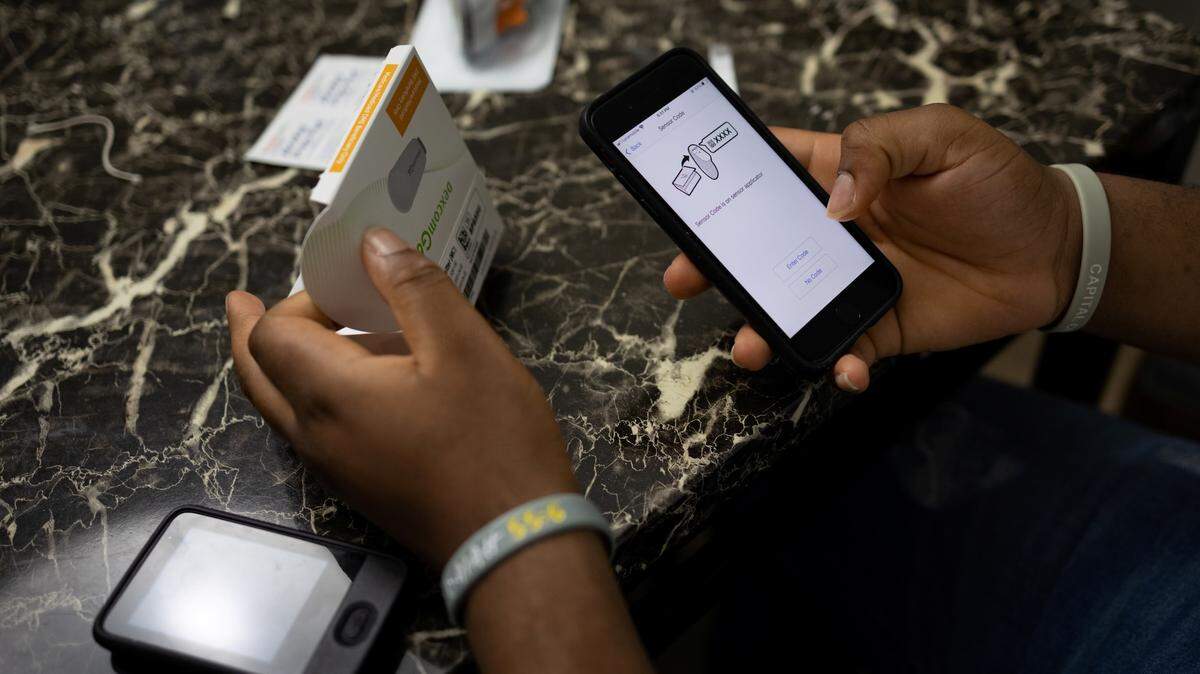
Stelo is the Dexcom OTC CGM built for adults who are not on insulin and want continuous glucose data without a prescription. It is designed to continuously measure, record, analyze and display glucose values for users 18 and older.
According to the Stelo website, “The Stelo Glucose Biosensor System helps to detect normal (euglycemic) and low or high (dysglycemic) glucose levels. The Stelo Glucose Biosensor System may also help the user better understand how lifestyle and behavior modification, including diet and exercise, impact glucose excursion.”
A few practical details matter for shoppers comparing options:
- No prescription required. Stelo is sold directly to consumers over the counter.
- Wear time of up to 15 days, with a 12-hour grace period before the sensor needs to be replaced.
- Geared toward non-insulin users — meaning people with prediabetes, Type 2 diabetes not managed with insulin or those tracking metabolic health.
People often use Stelo to understand how specific foods, exercise, stress, sleep or fasting affect their glucose responses and overall metabolic health. Because it is a Dexcom product, it leans on the company’s existing CGM hardware experience while opening the technology up to a broader, non-prescription audience.
What Is Lingo, and How Does This OTC CGM Monitor Compare?
Lingo is Abbott’s OTC CGM monitor, designed for people who want to see how food, exercise and stress affect their glucose in close to real time.
According to the Lingo website, “The Lingo biosensor is a continuous glucose monitor (CGM) that measures your glucose response to food, exercise and stress, then streams the data to your phone 24/7. The biosensor monitors your glucose via a tiny filament that sits just below the skin. Where some sensors refresh every 15 minutes, the Lingo biosensor streams real-time updates every minute of every day.”
Lingo also emphasizes the educational layer that sits on top of the raw glucose numbers. Per the company: “The Lingo app can help you see the connection between the foods you eat, your daily activity and your glucose data — giving you insights you can use to create healthier habits over time. It’s also packed with science-backed tips and short reads on ways to improve your glucose patterns.”
Key specs for shoppers:
- Discreet design intended to be worn on the upper arm
- Water resistant, so it can stay on through showers and workouts
- Up to 14 days of wear per sensor
- No charging required during the wear period
What Is Levels, and How Does Its CGM OTC Program Work?
Levels is a metabolic health company that pairs CGM data with an app-based program built around food, exercise, sleep and stress — making it a different kind of CGM OTC offering than a standalone biosensor.
According to the Levels website, “Levels helps you understand how diet and lifestyle affect your body, so you can make changes that improve energy, appetite, and long-term metabolic health.” The site markets the company as “The company that brought glucose monitoring into everyday metabolic health.”
A few features set Levels apart from Stelo and Lingo:
- You can bring your own CGM or get one through Levels. That flexibility means the platform is not locked to a single hardware partner.
- The platform pairs CGM data with lifestyle information and biomarker testing, providing a layered view of metabolic health rather than glucose alone.
- The focus is interpretation, not just measurement — turning raw readings into personalized insights.
Levels uses continuous glucose monitors to help people understand how their bodies respond to food, exercise, sleep and stress. By tracking glucose levels in real time through a wearable sensor and analyzing the data in its app, the company provides personalized insights into patterns like glucose spikes, variability and insulin sensitivity. Levels combines CGM data with lifestyle information and biomarker testing to help users make informed decisions about nutrition and daily habits, with the goal of improving energy, metabolic health and long-term wellness.
What Are the Benefits of Using a CGM?
CGMs can help people avoid serious diabetes complications, save money through better management and adjust behavior based on real-time biofeedback, according to the American Diabetes Association.
Before CGMs were widely available, even people with diabetes were essentially taking snapshots of their glucose a few times a day. A CGM turns the snapshots into a movie, showing how a meal, a walk, a poor night’s sleep or a stressful afternoon shapes the curve.
How Do You Choose the Right CGM for You?
Talk to your doctor and a diabetes educator before committing, especially if you have diabetes or another condition that affects glucose. They can help you compare systems, transition to wearing one and learn to interpret the data.
A few practical comparison points for OTC shoppers weighing Stelo, Lingo and Levels:
- Wear time: Stelo lasts up to 15 days with a 12-hour grace period. Lingo lasts up to 14 days and does not require charging.
- Data refresh rate: Lingo streams updates every minute, faster than CGMs that refresh every 15 minutes.
- Hardware flexibility: Levels allows you to bring your own CGM or get one through the company, while Stelo and Lingo are tied to their own biosensors.
- Audience fit: Stelo is specifically designed for adults 18 and older who are not on insulin. Lingo and Levels target users focused on metabolic health, food response and lifestyle change.
- Program vs. device: Stelo and Lingo are biosensor systems with companion apps. Levels operates more like a metabolic health platform that interprets CGM data alongside other inputs.
For a deeper technical comparison across brands, the AACE’s CGM device comparison toolkit lays out specs side by side.
Information regarding health and well-being is provided for awareness, education and general information. Health benefits of various medicines, diets, weight-loss strategies and foods are the opinions of the authors and/or those they interviewed, and there may be differing views on many of the topics covered, including evolving research, opinions, benefits and efficacy. This article is meant to inform the general reader and is not a substitute for medical advice from a physician or nutritional advice from a dietitian and/or nutritionist. Please refrain from starting, stopping or consuming any medication or regimen without the supervision of a trained physician. Please beware that in this emerging field of research, medications could cause adverse effects and problems not reported here. Please consult a doctor if you have chronic ailments or feel adverse side effects after starting a drug, nutrition or weight-loss regimen, and do not ingest, inject or otherwise use items to which you have sensitivities or may be allergic. Readers should consult a licensed health care professional who knows their personal medical history on matters relating to their health and well-being, including being aware of potential interactions with medications they are taking and conflicts with other wellness-related goals. Patients seeking treatment for weight loss should consult a physician trained in management of overweight or obesity.
This article was created by content specialists using various tools, including AI.