
Fresh herb planting guide: How to upgrade your kitchen cooking beyond any dried spice jar
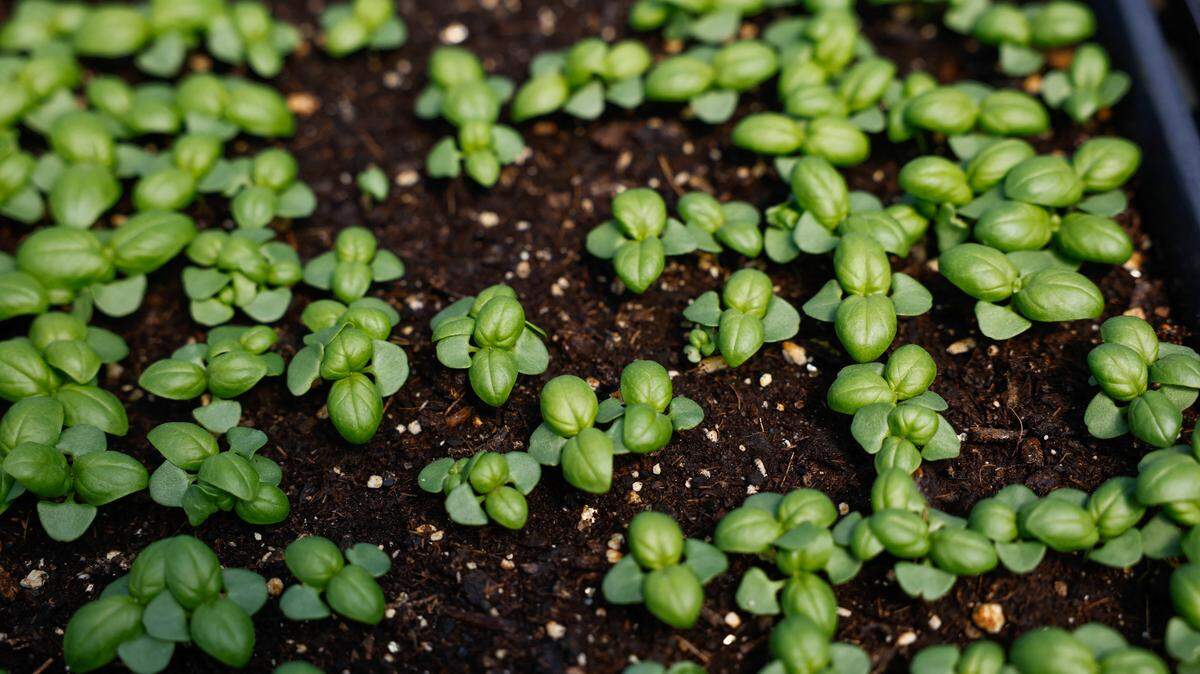
That jar of dried oregano in the back of your cabinet has likely lost most of its flavor — most dried herbs fade within six to 12 months. A $4 herb plant on your windowsill will usually give you more flavor than the store-bought version ever will, which is why indoor herb planting has become the quiet upgrade home cooks are reaching for instead of restocking the spice rack.
The pitch is simple: a few small pots, a sunny window and a handful of starter plants can replace an entire shelf of stale jars.
Why planting herbs indoors beats the spice cabinet
Dried herbs are convenient, but flavor is a perishable thing. Once the oils that give basil, oregano and thyme their punch evaporate, you’re mostly seasoning food with dust. A living plant keeps producing fresh leaves on demand, and you only cut what you need.
Most people don’t need a cabinet full of dried herbs. They just need a few living ones — the kind that pay for themselves the first time you make a pasta sauce or garnish a cocktail without running to the store.
What to plant on a sunny windowsill
A short list of herbs delivers most of the value. These are the ones worth the pot space:
- Basil — expensive at the store, grows fast, instantly makes everything taste fresher
- Chives — basically impossible to kill and can be used on almost everything
- Oregano — grows like a weed, dries beautifully, tastes better than the jar
- Thyme — one small plant keeps producing for years
- Rosemary — loves sun and dries in a week or two
- Sage — huge leaves, strong flavor; one plant gives you more than enough
- Lemon verbena — for teas, desserts and summer drinks
If you’re starting with the easiest options for an indoor setup, basil, chives, mint, thyme, rosemary and oregano are the most forgiving. Just keep mint in its own pot — it spreads aggressively and will crowd out anything it shares space with.
How to set up indoor herb planting at home
The gear list is short. You need a sunny window — south-facing is best, but anything with four to six hours of sunlight works — small pots with drainage holes, potting soil (not dirt from outside), herb starts or seeds and a tray or saucer underneath to catch water.
Pot size matters more than people expect. Jerad Bryant with Epic Gardening writes: “Start common oregano seeds indoors while there’s ample sunlight from spring through summer. They’ll thrive in pots between six and ten inches of depth and a similar width. If your seedlings outgrow their pots, transplant them into larger containers with fresh potting soil.”
Rosemary prefers brighter light and less frequent watering. Basil wants the opposite — lots of sun and consistent moisture. Group plants with similar needs together so one routine works for the whole windowsill.
When and how to harvest your herbs
Cutting your herbs is what keeps them producing. Melinda Myers, gardening expert tells Martha Stewart: “Harvest your herbs once the plant reaches about 4–6 inches tall so there are enough leaves left to support new growth. Cutting regularly from the top or outer stems actually helps herbs grow back fuller.”
In other words, the plant rewards you for using it. Snip what you need for dinner, and the herb will push out new growth — a small loop that quietly replaces the cabinet of jars you’ve been meaning to throw out.
This article was created by content specialists using various tools, including AI.