
Clean beauty changed how we shop for skincare. Is the kitchen finally catching up?
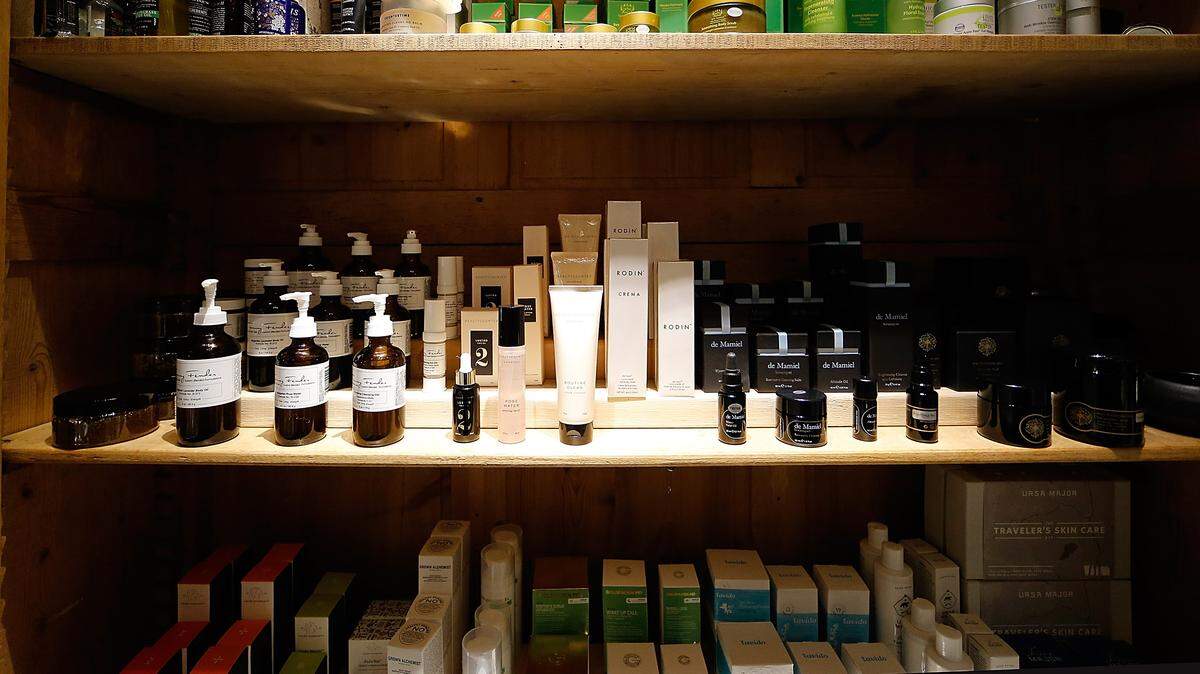
First it was skincare ingredients. Then it was shampoos, candles and cleaning sprays.
Now, many shoppers are staring at cookware labels the same way they once studied beauty products — looking for hidden chemicals, confusing claims and ingredients they don’t fully understand.
Terms like “PFAS-free” and “non-toxic” are suddenly everywhere. But just like the clean beauty movement, the cookware conversation is more complicated than the marketing makes it sound.
What is “clean beauty”?
Clean beauty refers to skincare and cosmetic products made without ingredients considered potentially harmful to health or the environment. According to Harvard Health, those concerns usually center on irritants, endocrine disruptors and potential carcinogens. The trend helped popularize labels like “natural,” “organic,” “vegan,” “green” and “non-toxic” throughout the beauty industry.
Why do people criticize the clean beauty industry?
The biggest issue is the lack of regulation. There is no universal legal definition for “clean beauty,” so brands largely decide for themselves what qualifies. Federal cosmetic regulations are also outdated. The FDA restricts only 11 cosmetic ingredients, compared to hundreds in Canada and more than 1,600 in Europe.
How did clean beauty change shopping habits?
Even without strict standards, clean beauty permanently changed consumer behavior. Shoppers became more skeptical of vague wellness claims and more likely to read ingredient labels carefully. People also became more comfortable questioning whether products marketed as “safe” were truly harmless.
Why are people suddenly worried about cookware?
The same skepticism that reshaped skincare is now moving into kitchens. Many consumers are questioning traditional non-stick cookware because of PFAS — commonly called “forever chemicals” — used in some coatings. Social media, wellness culture and growing environmental concerns helped push cookware into the broader “non-toxic living” conversation.
What are PFAS and why do people care about them?
PFAS are a large group of chemicals often referred to as forever chemicals because they break down very slowly in the environment. Some traditional non-stick pans use PFAS-related materials in their coatings. Concerns grew after studies linked certain PFAS compounds to health and environmental issues, especially contamination in drinking water.
Is Teflon the same thing as PFAS?
Not exactly, but they are connected. Teflon is made with PTFE, which belongs to the PFAS family. Another chemical tied to older Teflon production, PFOA, was phased out in the United States by 2015. However, PTFE cookware is still considered part of the broader PFAS category.
What is “Teflon flu”?
“Teflon flu” refers to temporary flu-like symptoms caused by inhaling fumes from overheated non-stick cookware. This can happen when pans are heated far beyond recommended temperatures. While uncommon, the concern helped increase public skepticism surrounding traditional non-stick coatings.
What cookware alternatives are becoming more popular?
Consumers looking to reduce PFAS exposure are increasingly turning to ceramic cookware, cast iron, stainless steel and carbon steel. These materials are often marketed as safer or more “natural” alternatives to traditional non-stick cookware.
Why are cookware labels so confusing?
Much like clean beauty, cookware labeling is loosely regulated. Terms like “non-toxic,” “PFAS-free” and “ceramic-coated” do not always mean what shoppers assume they mean. Some products may avoid one chemical while still using related materials, making it difficult for consumers to compare products accurately.
What does “PTFE-free” actually mean?
PTFE-free means the cookware does not contain PTFE, the material commonly associated with Teflon coatings. Eric Boring, PhD, told Consumer Reports that shoppers trying to avoid PFAS may want to focus specifically on PTFE-free cookware.
“Avoiding products made with PFAS, including pots and pans, may help protect your health and the environment,” Boring said.
Is non-toxic cookware becoming the new clean beauty trend?
In many ways, yes. Consumers are now scrutinizing cookware ingredients the same way they once questioned parabens and phthalates in skincare. Social media wellness trends, distrust of large corporations and “safe until proven otherwise” skepticism have all fueled the rise of non-toxic cookware marketing.
Are states starting to regulate PFAS cookware?
Yes. According to USA Today, states including Minnesota, Maine, Connecticut, Rhode Island and Colorado have already passed legislation restricting PFAS in cookware. Regulations around forever chemicals are becoming stricter as public pressure grows.
What happened with California’s PFAS cookware bill?
California attempted to pass legislation banning PFAS in cookware, but Gov. Gavin Newsom never signed the bill into law. Celebrity chefs with cookware lines — including Rachael Ray, David Chang and Thomas Keller — defended the continued use of PFAS cookware during the debate.
Why did Mark Ruffalo criticize Rachael Ray?
Mark Ruffalo became closely associated with PFAS awareness after starring in the 2019 film Dark Waters, which focused on water contamination linked to PFOA. Ruffalo later criticized Ray for supporting the use of PFAS in cookware manufacturing during California’s legislative debate.
Is non-stick cookware actually dangerous?
The science is more nuanced than many headlines suggest. There is not strong evidence showing that properly used Teflon cookware is dangerous for most people. According to WebMD, PTFE particles that flake off cookware “do not cause any harm when ingested.”
So what’s the real issue with cookware?
Much of the concern comes down to misuse and marketing confusion. Traditional non-stick cookware can become problematic when overheated or badly damaged. At the same time, many non-toxic alternatives are expensive, less convenient or require more maintenance, making the “perfect pan” difficult to find.
Is there such a thing as a ‘perfect pan’?
Probably not. Every cookware material comes with tradeoffs. Ceramic coatings may wear down, cast iron requires upkeep and stainless steel has a learning curve. The goal for many shoppers is no longer perfection — it’s finding a practical middle ground that balances convenience, durability and lower chemical exposure.
If you’re interested in reducing your risk of PFAS exposure in the kitchen, follow this guide for stocking your kitchen with non-toxic, non-stick cookware.
This article was created by content specialists using various tools, including AI.