Does your tap water contain harmful chemicals? Here’s how to check your local water quality
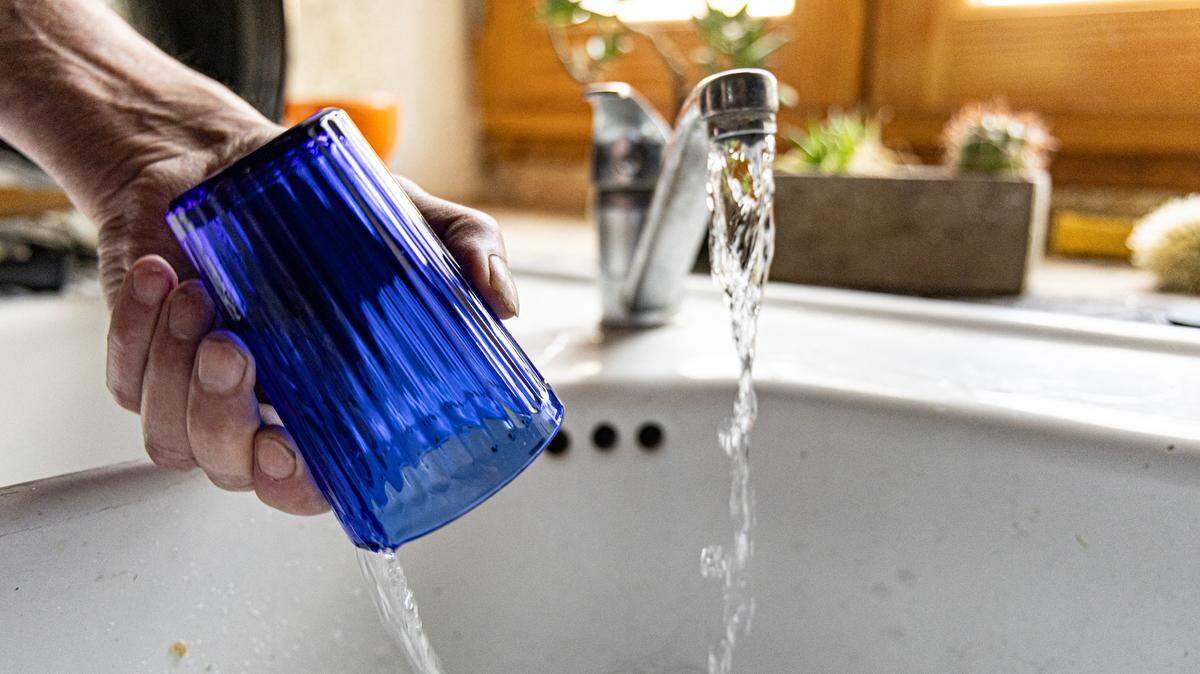
Forever chemicals are showing up in more American tap water systems than ever before — and many people still don’t know how to check what’s coming out of their own faucet.
The Natural Resources Defense Council (NRDC) mapped EPA monitoring data in 2025 and found that 136 million Americans were being served by systems that detected some level of PFAS contamination.
Forever chemicals have become a growing public health concern because they can build up in the body over time and may be linked to long-term health effects.
The good news: there are now several ways to check your local water quality, understand what the numbers mean and decide whether a whole-house water filter system makes sense for your home.
What are forever chemicals and why are they in U.S. tap water?
Forever chemicals are synthetic compounds called PFAS that are used in products like nonstick cookware, waterproof clothing and food packaging. They’re extremely persistent, meaning they don’t naturally break down in the body or environment. Studies now suggest PFAS contamination may affect the drinking water of up to 176 million Americans.
Why are experts worried about PFAS exposure?
Researchers worry because PFAS can accumulate in blood, organs and tissues over time. Scientific studies cited by the EPA suggest exposure to certain PFAS may be linked to harmful health effects in humans and animals. Yale environmental health expert Vasilis Vasiliou says their persistence raises long-term public-health concerns.
How many Americans may have PFAS in their tap water?
A 2023 U.S. Geological Survey study found at least 45% of U.S. tap water contained one or more PFAS. By 2026, the Environmental Working Group estimated PFAS contamination may affect 176 million Americans, with projections still climbing toward earlier estimates of 200 million people.
Why is there a gap between what’s legal and what’s considered safe?
The EPA’s health-based goal for two major PFAS chemicals — PFOA and PFOS — is zero exposure. But the agency’s enforceable legal limits are higher. That means water can still meet federal standards while containing detectable PFAS levels that some scientists and public-health advocates consider concerning.
How can I learn the water quality in my area?
Search Google for your city or town name followed by “water quality report.” Public water systems are required to publish annual Consumer Confidence Reports under the Safe Drinking Water Act. These reports list contaminants detected in the local water supply and whether the system complies with EPA limits.
Which PFAS chemicals should I look for on a water report?
Look for these six PFAS contaminants: PFOA, PFOS, PFHxS, PFNA, HFPO-DA (GenX) and PFBS. Current EPA limits are 4 parts per trillion for PFOA and PFOS, and 10 parts per trillion for GenX, PFNA and PFHxS. Those names may appear in testing sections.
What does “MCL” mean on a water quality report?
MCL stands for Maximum Contaminant Level. It’s the legal limit allowed in drinking water under EPA regulations. If contaminant levels remain below the MCL, the utility is considered compliant. However, the EPA’s own health goal for some PFAS chemicals is still technically zero exposure.
Does missing PFAS data mean my water is clean?
Not necessarily. Many Consumer Confidence Reports still don’t include PFAS results because the EPA’s UCMR 5 monitoring program is continuing to roll out nationwide. If PFAS are absent from your report, it may simply mean your local water system hasn’t tested or reported the results yet.
How can I look up water quality by ZIP code?
The Environmental Working Group’s free EWG tap water database lets users search by ZIP code to view contaminants, violations and health-risk information in local drinking water systems. The tool also recommends filtration products based on contaminants detected in your area’s water supply.
What’s the difference between a city water report and the EWG database?
Consumer Confidence Reports focus on whether water meets legal EPA standards. The EWG database compares contamination levels against stricter health-based recommendations. That means a water system can still be fully compliant with federal law while showing contamination levels EWG considers potentially concerning.
Is tap water safe if PFAS are detected?
It depends on the PFAS type, the concentration and which standards you follow. Water below EPA legal limits is considered compliant, but PFAS can accumulate over time through drinking, cooking and bathing. Some people choose filtration even when detected levels remain technically below federal thresholds.
What should I do if PFAS levels are high in my water?
If PFAS levels are elevated — or if your water hasn’t been tested yet — experts recommend using filtration designed specifically for PFAS removal. The EPA says reverse osmosis systems, granular activated carbon filters and ion exchange filters are the most effective options currently available to consumers.
What certifications should I look for when buying a filter?
Look for filters certified to NSF/ANSI Standard 53 or Standard 58. Consumers should also verify that PFOA and PFOS are specifically listed in the certification details. A filter may reduce other contaminants under these standards without necessarily removing PFAS unless those chemicals are named directly.
Can the EWG database help me choose the right filter?
Yes. The EWG tap water database includes filter recommendations, including whole-house water filters, alongside ZIP code water reports. Those suggestions are tailored to contaminants detected in your local supply, helping consumers narrow down filtration products that may better target PFAS and other drinking-water contaminants.
This article was created by content specialists using various tools, including AI.
This story was originally published May 27, 2026 at 7:00 PM.