Why parents are switching from plastic to silicone baby bottles — and what experts say
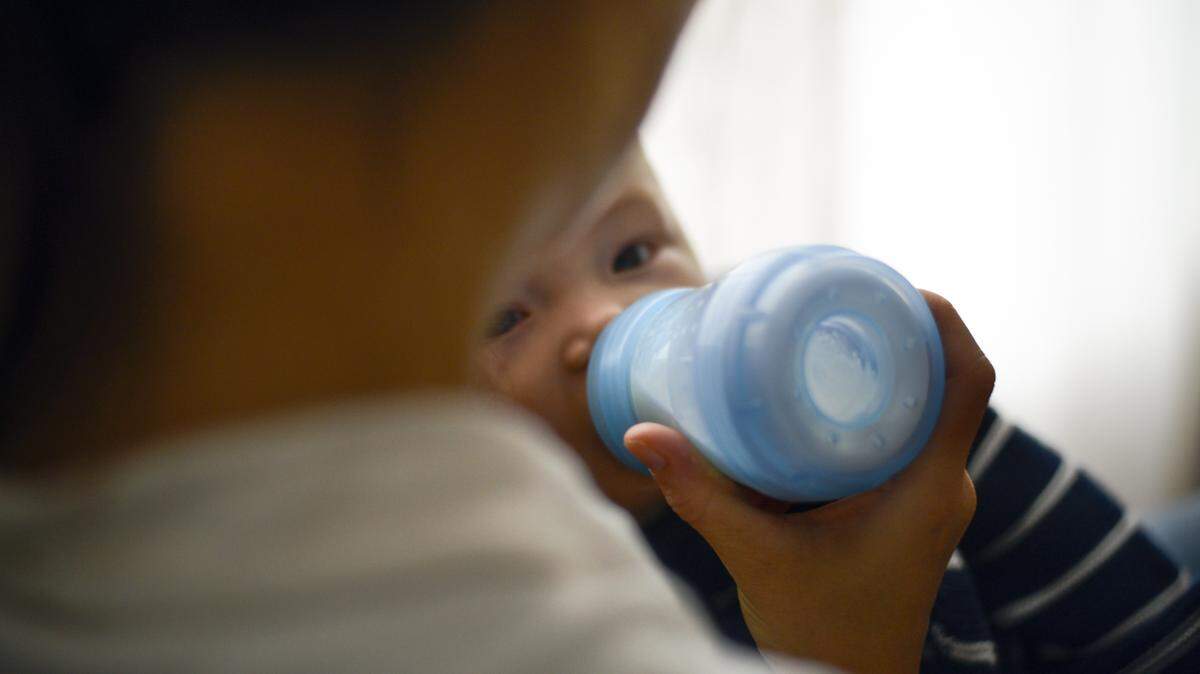
For years, plastic baby bottles were simply the default. They were lightweight, inexpensive and easy to sterilize. But as research into microplastics has expanded, many parents have started questioning whether those bottles are as harmless as they once seemed.
Now, a growing number of families are looking into silicone baby bottles, glass options and other non-plastic baby bottles as they build registries or replace older feeding products that may contain microplastics.
The shift isn’t happening because parents suddenly became anti-plastic overnight. It’s happening because scientists are learning more about how tiny plastic particles interact with heat, food and the human body — especially during infancy.
Why experts are concerned about plastic baby bottles
Microplastics are tiny pieces of plastic that range from about 5 millimeters down to 1 nanometer in size, according to the U.S. Environmental Protection Agency (EPA). Researchers have found them nearly everywhere: oceans, drinking water, household dust and even human organs and tissues.
Per Stanford Medicine, microplastics have been detected in the brain, heart, stomach and placenta. Researchers estimate that between 10 million and 40 million metric tons enter the environment every year through the breakdown of larger plastic products.
That matters for babies because infant feeding products are frequently exposed to heat.
Dr. Tracey Woodruff, a professor at the University of California, San Francisco, told NBC News that plastic baby bottles can shed microplastics and even smaller nanoplastics — particularly when warmed during formula preparation.
To better understand the possible health effects, Woodruff helped lead a systematic review of existing research. According to NBC News, the review linked microplastic exposure to respiratory, digestive and reproductive harms, along with increased risks for lung and colon cancer.
The science is still evolving, and researchers are continuing to study exactly how these particles affect the body over time. But for many parents, the possibility of unnecessary exposure during infancy is enough to start looking for alternatives.
How much microplastic are babies exposed to?
One widely cited 2020 study from Trinity College Dublin found that plastic bottles dominate the global market, accounting for roughly 83% of baby bottles worldwide.
Researchers estimated those bottles could release between 1.3 million and 16.2 million microplastic particles per liter of fluid. The study also found that infants may consume around 1.6 million microplastic particles per day.
Those findings helped push conversations about how to avoid microplastics from niche environmental discussions into mainstream parenting spaces.
Are silicone baby bottles safe?
For many families, silicone baby bottles emerged as the middle-ground option between plastic and glass.
Food-grade silicone is technically a polymer, but it’s chemically different from traditional plastics. Unlike many plastic products, it does not contain BPA, BPS, PVC or phthalates — chemicals that have fueled many health concerns surrounding plastic baby products.
Most experts consider high-quality silicone baby bottles to be a safer alternative to plastic, especially because food-grade silicone can tolerate high temperatures without breaking down as easily.
Dr. Perry Sheffield, a pediatrician and environmental health researcher, told Babylist that lower-grade silicone is more likely to leach chemicals when exposed to high heat. That’s why experts recommend choosing products specifically labeled “100% food-grade” or “medical-grade.”
Still, silicone is not completely risk-free.
A 2023 study published in PLOS One found that silicone products can release nanoparticles, though at lower rates — and with lower toxicity — than conventional plastics. Researchers also found that boiling water, mechanical stress and general wear increased particle release over time.
In other words, silicone appears to reduce exposure compared to plastic, but it does not entirely eliminate it.
Silicone vs. glass baby bottles
When comparing silicone vs glass baby bottles, glass remains the closest thing to a “gold standard” for avoiding microplastics.
Glass doesn’t shed plastic particles, and it won’t leach chemicals when sterilized, microwaved or washed repeatedly. But for parents juggling feedings at 2 a.m., the downsides are obvious: glass bottles are heavier, easier to break and often more expensive.
Silicone sits in the middle. It’s flexible, lightweight and nearly unbreakable, which makes it appealing for everyday use. But unlike glass, silicone eventually wears down and should be replaced if it becomes cloudy, sticky, torn or damaged.
For many parents, the decision comes down to balancing practicality with peace of mind. But either way, both are much safer and less toxic than plastic.
This article was created by content specialists using various tools, including AI.