
Inside the food trends shaping what families will cook and eat together in 2026
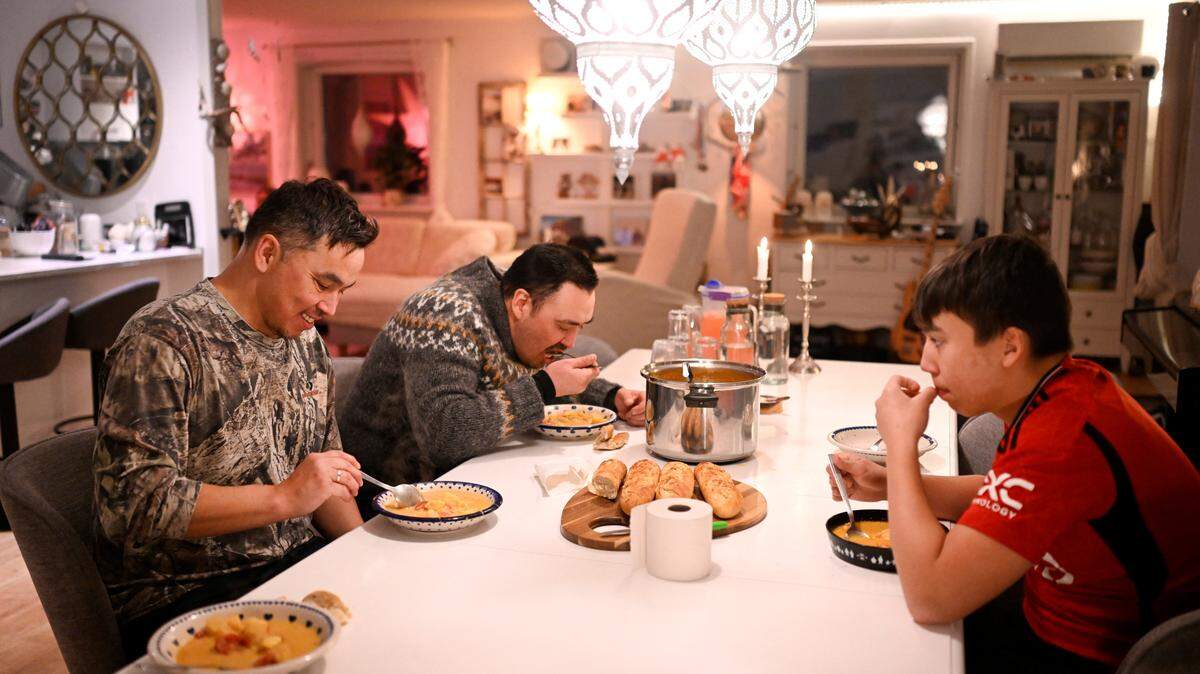
The food trends shaping 2026 family kitchens look less like a cookbook and more like a survival kit for busy households. Protein, grazing-style eating and stealth vegetables are leading the shift in how American families plan, cook and eat together.
Why is protein driving food trends for 2026?
Protein has emerged as the dominant force behind food trends for 2026, with families now building meals around it before any other ingredient. Recent trend reporting identifies protein as the top consumer driver of the year across both meals and snacks.
Sarah Jenkins of The Seattle Times writes: “Protein remains a dominant force in what consumers buy and cook. One recent trend report names powerhouse protein as the top consumer driver for 2026, highlighting nearly 60% of global consumers seek protein for overall health across meals and snacks.”
Protein is no longer treated as a gym-and-fitness category — it’s shaping family kitchens. Parents are starting meal planning with the protein component first, then filling in the rest of the plate around it. The go-to options span eggs, chicken, Greek yogurt, beans and tofu, giving households flexibility on cost, prep time and dietary preferences.
Breakfast is where the shift shows up most clearly. The morning meal is becoming the most protein-heavy of the day in many homes, a notable change from the carb-forward cereals and pastries that once defined the American breakfast table.
Kid-friendly snacks are following the same trajectory. The traditional after-school cracker is giving way to jerky, yogurt pouches and protein muffins. Lunchbox staples are being reorganized so that a protein anchor leads, with fruit, vegetables and grains arranged around it.
The throughline: families are using protein as the organizing principle of a meal rather than a side note. That reframing — from accessory to anchor — is what’s pushing protein from a niche fitness focus into the center of how American families plan and prepare food in 2026.
How is grazing replacing the traditional family dinner?
The traditional three-meal-a-day structure is fading in many family households, replaced by smaller, more frequent meals built around unpredictable schedules. Snack plates, grazing boards and “mini meals” are increasingly serving as both lunch and dinner.
Shruthi Baskaran-Makanju writes in The Washington Times: “This has real implications for how families cook and eat together. The sit-down dinner isn’t disappearing entirely, but it’s no longer the only model. Staggered work schedules, after-school activities, and the sheer unpredictability of modern life mean that getting everyone to the table at the same time is harder than ever. For busy households, having a rotation of ‘mini meals’ on hand, foods that can be eaten alone or assembled into something larger, may be more realistic than insisting on a 6 p.m. gathering every night.”
In practice, kids and adults alike are eating more frequent, smaller meals throughout the day. “Snack plates” — fruit, cheese, protein and dips arranged together — are replacing traditional lunch in many homes, especially on busy weekdays.
After-school grazing boards have become a household norm in some families, offering kids a self-serve option after sports, clubs or extended school days. The format works for varied appetites and staggered arrival times, which is part of why it’s catching on.
The trend ties directly to how families now structure their days. Hybrid work, staggered school pickups and packed activity calendars make a single shared meal at a single hour increasingly difficult to coordinate. Grazing offers a workaround that still feels intentional rather than chaotic.
What Baskaran-Makanju emphasizes is that this isn’t the end of the family dinner — it’s the addition of more flexible options alongside it. The sit-down meal still happens. It’s just no longer the only acceptable model.
Why are “hidden veggies” a top food trend for 2026?
Hidden vegetables — vegetables blended naturally into dishes kids will actually eat — have been named among the top kids’ food and nutrition trends for 2026 by Kidfresh, a brand focused on children’s meals. The approach reframes vegetables as part of the recipe rather than a side dish or a daily battle.
Michael Allen, CEO of Kidfresh said in a news release says: “Hidden veggies, visible impact: Parents love when vegetables are integrated naturally into meals kids actually enjoy. The goal isn’t to hide nutrition; it’s to make it delicious and a seamless part of the eating experience.”
The distinction Allen draws — between hiding nutrition and integrating it — is the heart of the trend. Earlier approaches to getting kids to eat vegetables often relied on secrecy: puréed cauliflower in mac and cheese, spinach blended into smoothies, zucchini grated into brownies. The 2026 framing flips that. Parents aren’t trying to trick kids into eating vegetables. They’re designing meals so vegetables are simply part of the experience.
That mindset fits the broader pattern shaping family food trends for 2026. Protein-first cooking treats nutrient density as the organizing principle of a meal rather than an afterthought. Grazing-style eating prioritizes function and flexibility over rigid meal structures. Hidden vegetables follow the same logic — built into food kids enjoy, rather than served alongside as a separate compliance moment.
For busy households, the appeal is practical. A meal that already contains the vegetables doesn’t require a side-dish negotiation. And as Allen frames it, the win for parents isn’t subtlety — it’s that nutrition stops being a separate conversation at the table.
This article was created by content specialists using various tools, including AI.