New Wellness Treatments Are Growing More Complex and Costly. Here's a Look at a Biohacking Clinic Menu
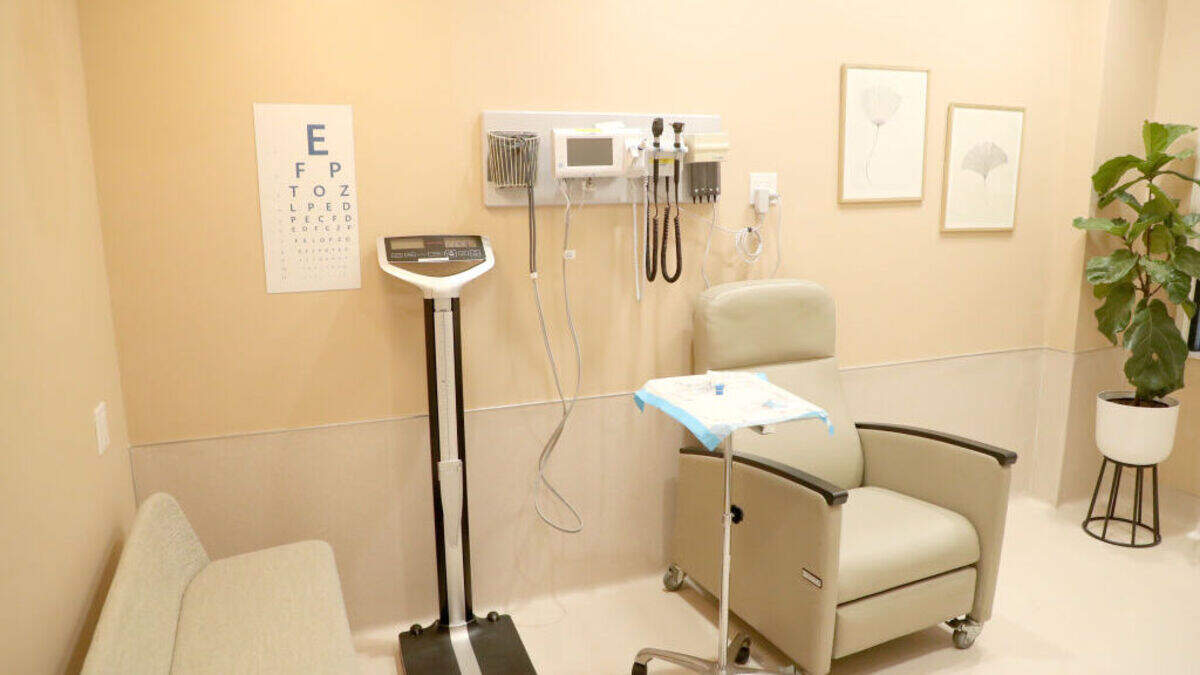
Biohacking has moved from a Silicon Valley curiosity into a real consumer category, and the price gap between clinics is enormous. Here’s what a biohacking menu actually looks like in 2026, from $79 entry offers to memberships north of $20,000 a year.
What Is a Biohacking Clinic?
A biohacking clinic is a wellness center that offers a packaged menu of treatments designed to optimize how the body functions, covering energy, recovery, longevity, sleep and cognitive performance. Most operate outside the traditional insurance system and charge directly through memberships, credit packages or single-visit fees.
The category sits in the overlap between a med spa, a longevity practice and a traditional doctor’s office. Some clinics focus on recovery tech and IV therapy. Others lean toward advanced diagnostics like full-body imaging and biomarker testing. Worth’s May 2026 reporting describes the broader biohacking economy as a new consumer health industry being built outside the legacy system, which is why pricing, services and clinical oversight vary so much across the field.
What Treatments Show Up on Most Biohacking Clinic Menus?
Almost every biohacking clinic menu shares a recognizable shape. Next Health’s published service categories line up closely with what most mid-tier clinics offer:
- IV drips and NAD+ therapy
- Vitamin and mineral injections like B12 and glutathione
- Cryotherapy, red light therapy and infrared services
- Peptide protocols and hormone optimization
- Diagnostic panels and biomarker testing
As you climb the price ladder, the diagnostic side starts to dominate. At a chain like Restore Hyper Wellness, which calls itself the country’s largest direct-to-consumer wellness provider with more than 200 studios as of May 2026, the menu skews toward walk-in core therapies. At Next Health, IV therapy is the anchor category.
At the top of the market, Fountain Life sells diagnostics-heavy memberships built around imaging and biomarker testing rather than single sessions.
How Much Does One Biohacking Treatment Cost?
Single treatments range from under $100 for entry offers to $1,000 for high-dose NAD+ infusions, depending on clinic and service. Most clinics no longer sell primarily as one-off visits.
During Restore Hyper Wellness’s May 2026 NAD+ Month, the chain bundled an NAD+ shot with one core therapy for $79, according to its PR Newswire announcement. Restore notes prices vary by studio, so that figure is an example, not a guarantee. On Next Health’s live pricing page, a standard IV drip runs $199 for non-members, and NAD+ infusions run $500 to $1,000 depending on dose.
Beyond IVs, the recovery and wellness tech side of a typical biohacking menu comes with its own per-session pricing. Sample non-member rates from Next Health’s wellness technology page include:
- Cryotherapy: $50
- InBody Scan or VISIA Scan: $100
- Infrared sauna: $100
- Infrared LED light bed: $150
- Hyperbaric oxygen chamber: $350
Next Health’s most popular IV membership lists at $299 a month and bundles two IV drips, two vitamin shots and monthly access to cryotherapy, infrared LED, hyperbaric oxygen and several scans. Across the industry, that bundling structure is exactly why per-visit prices look steep on paper.
Is a Biohacking Membership Worth It Compared to Paying Per Visit?
Memberships are now the default structure across all three tiers, and the per-visit math usually favors members if someone plans to come in more than once or twice a month. Next Health runs monthly memberships from $99 to $400, according to Worth’s May 2026 reporting on the biohacking economy.
The trade-off is commitment. A $99 entry membership unlocks lower per-treatment pricing but only pays off with regular visits. At the high end, Fountain Life prices its diagnostics-heavy membership between roughly $6,500 and $21,500 a year depending on tier, based on a May 2026 cross-check of the company’s own pricing pages. Public pricing signals for Fountain Life have been inconsistent across reporting, so treat that range as a working estimate rather than a fixed quote.
What’s the Most Expensive Item on a Biohacking Menu?
At a mid-tier clinic, the single most expensive line item is typically a high-dose NAD+ infusion, which can hit $1,000 per session at Next Health. Move up to a longevity practice and the most expensive item is the membership itself.
Fountain Life’s top-tier annual membership, at roughly $21,500, is the ceiling among the three clinics examined here, and it bundles diagnostics rather than itemizing them. Peptide therapies and advanced longevity protocols also appear on these menus as premium line items, though the science and regulation behind them sit outside the scope of a pricing breakdown.
What Should You Ask Before Booking a Biohacking Treatment?
A short list of questions tends to save the most money and confusion at any tier:
- Is this treatment FDA cleared, compounded under prescription or fully off-label?
- Who’s supervising the treatment, an MD or NP, or only a wellness coach?
- What’s actually included in the membership tier I’m being pitched, and what costs extra?
- Are there minimum commitment terms, and how does cancellation work?
- How does the per-visit cost change if I commit to a membership for three months versus a year?
Those answers separate a clinic that’s pricing transparently from one that’s banking on the upsell after the door swings shut.
Should You Start at the Cheapest Tier or the Most Expensive?
For most first-time shoppers, the cheapest way to test biohacking is a single entry offer at a chain studio. The most expensive commitment is a full-tier longevity membership that runs into five figures before a single treatment is booked. Between those poles sit mid-tier clinics where memberships cluster between $99 and $400 a month and the high-end add-ons are the real budget question.
The three clinics referenced here illustrate the price spectrum, they don’t represent the entire industry. Claims like “largest provider” are self-reported in company press materials rather than independently ranked, and any single price card is best treated as a starting point rather than a guarantee.
This article was created by content specialists using various tools, including AI.