
Why Millennials and Gen Z Are Swapping Bars for Board Games as Drinking Culture Continues to Shift
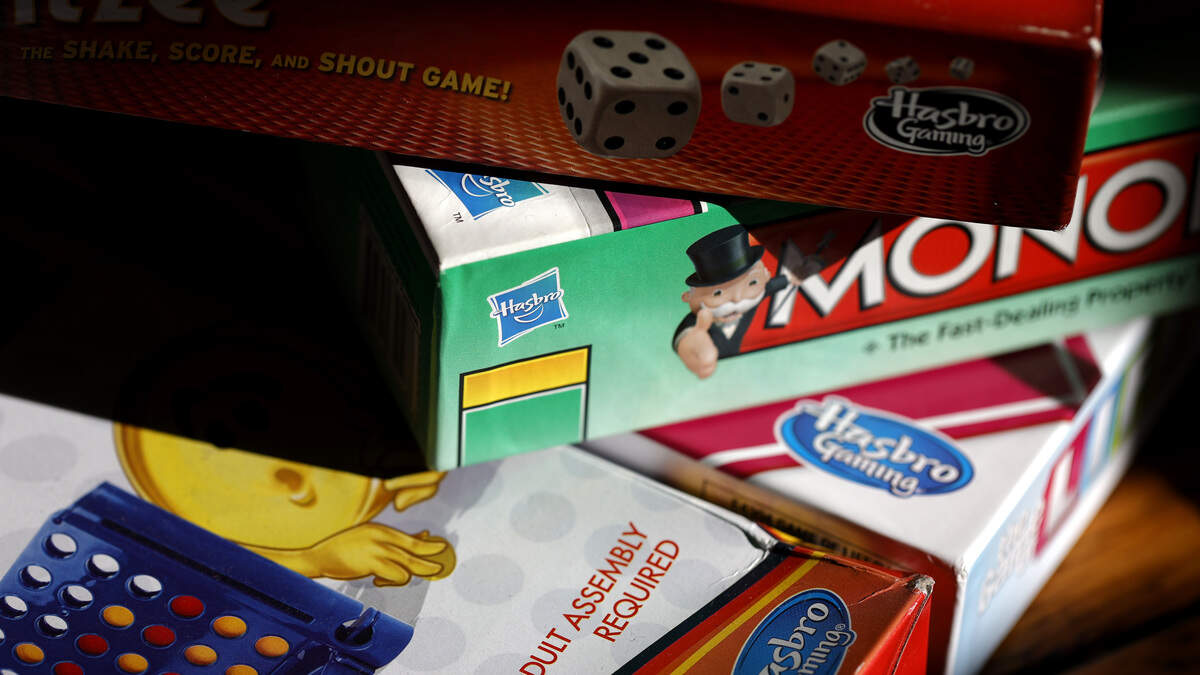
People in their 20s and 30s are pulling chess sets, backgammon boards and mahjong tiles out of closets and grandparents’ attics, turning them into the centerpiece of their social lives. Faced with a loneliness epidemic, less interest in drinking and a growing exhaustion with screens, younger adults are rediscovering board games as a way to gather, talk and unwind without a bar tab or a feed to scroll.
The shift is showing up in the numbers. Board game events organized through the invite platform Partiful quadrupled in the past year, the company told The New York Times. Board-game-related groups on Meetup grew roughly 10% per year from 2021 to 2023. Lockdown-era hobbies that were supposed to fade have stuck around, and in many cities, they’re growing.
Why millennials are choosing board games over bar nights
For millennials, board games slot neatly into a broader move toward lower-key, alcohol-optional socializing. Many in this generation popularized the idea of a “digital detox,” and game nights deliver that in a tactile, screen-free form. They also offer an alternative to the more athletic social trends of the moment, like pickleball leagues and running clubs, for people who want connection without breaking a sweat.
“A running club sounds like absolute torture to me. I have found that it’s easier to connect with someone when I’m not trying to catch my breath or covered in sweat,” Victoria Newton, host of the Knightcap Chess Club in Austin, Texas, told The New York Times.
There’s also a long history pulling them in. “Games go back thousands and thousands of years. The earliest tombs that they’ve found have dice in them. They very rarely find any kind of archaeological excavation without some kind of game playing. It’s really just part of the human experience,” award-winning tabletop game designer Geoff Engelstein told The New York Times.
How Gen Z is using games to fight brain rot and isolation
Gen Z grew up with unparalleled access to phones, apps and algorithmic feeds, and many are now actively pushing back against what they call brain rot. Increased use of digital platforms trains the brain to crave quick dopamine hits, and board games offer something close to the opposite, a slow, in-person activity that demands attention and rewards patience rather than speed.
The loneliness piece is just as important. Time spent with friends in person dropped from about 30 hours a month in 2003 to roughly 10 hours a month in 2020, according to the U.S. surgeon general’s advisory on the loneliness epidemic, with the decline especially sharp for people ages 15 to 24. Post-pandemic, that yearning for socialization has helped push game nights from a niche hobby to a default plan.
The connection between drinking less and playing more
The board game boom is happening alongside a clear shift away from drinking among young adults, according to Gallup. As bars lose ground as the default meet-up spot, something has to fill the gap, and game nights, which work just as well with seltzer as with cocktails, fit the moment.
“It is becoming clear that, for whatever reasons, today’s younger generations are just less interested in alcohol and are more likely than older generations to see it as risky for their health and to participate in periods of abstinence like Dry January,” George F. Koob of the National Institute on Alcohol Abuse and Alcoholism said in a statement to Time.
Koob also tied the change directly to how people gather. “Alcohol tends to be a social drug, even for young people, so part of the decline in underage drinking could be related to less in-person socializing,” he told Time.
Sybil Marsh, a physician specializing in family medicine and addiction, told Time the cultural meaning of drinking has shifted too. “There was a time where drinking some alcohol was a badge of maturity and was sophisticated. But now, it’s only one out of a whole range of ways that people can relax or show sophistication and so on.”
What experts say about the benefits of game nights
Beyond the social appeal, there’s a growing case that sitting down with a board, cards or tiles is good for the brain. A study published in the Journal of Cognitive Enhancement found that older adults with mild cognitive impairment who participated in cognitively stimulating hobbies showed better memory, attention and processing speed than those who did not. Younger players aren’t the study population, but the broader point, that engaged, in-person play exercises the mind, helps explain why so many feel better after a game night than after an evening of scrolling.
Game nights also lower the social stakes in a way bars often don’t. Rules give shy guests something to do with their hands. Turns create natural openings to talk. And because nobody has to shout over a speaker or stand for hours, conversations tend to go deeper than they might over a third round of drinks.
How to start your own board game night
Getting in on the trend doesn’t require a basement full of boxes. A single classic such as chess, backgammon, Scrabble or mahjong plus a small group of regulars is often enough to build a recurring hangout. Hosts are using invite platforms like Partiful and community sites like Meetup to find players beyond their immediate friend group, which is part of why the scene has grown so quickly.
A few things tend to make these gatherings stick, including a consistent time and place, a low-pressure approach to skill levels, snacks that don’t require a fork and an openness to teaching newcomers. Drinks are welcome but optional. The point isn’t the game itself so much as the hours spent across a table from someone, phones face down, actually paying attention.
This article was created by content specialists using various tools, including AI.
.jpeg)