Study finds new lymphatic networks in the spine, signaling a deeper connection to whole-body health
Your lymphatic system works silently around the clock, filtering waste, moving immune cells and clearing excess fluid from your tissues. When it slows down, your body sends signals most people chalk up to stress, aging or a bad night’s sleep. Here’s how to read those signals and what you can do about them in five minutes before you leave the bedroom.
What Your Lymphatic System Does
The lymphatic system is your body’s internal drainage network, running parallel to the circulatory system through nearly the entire body, according to StatPearls. It collects excess fluid from your tissues, filters it through roughly 600 lymph nodes and returns it to your bloodstream. Unlike your heart, nothing pumps it. Lymph moves only when you move, breathe deeply or contract muscles, as Cleveland Clinic explains.
That design means sedentary days, long flights, poor sleep, dehydration and hormonal shifts can all slow it down. When flow drops, fluid and waste accumulate in your tissues and the effects show up all over your body. If you want to understand exactly how the system works from the inside out, this deep dive on lymphatic drainage covers the full picture.
Common Signs Of Poor Lymph Flow
These are the symptoms people most frequently search for, and they’re genuine indicators of sluggish flow.
A puffy face on waking happens because fluid pools overnight when your body is horizontal and still. Swollen or tender nodes at the neck, armpits or groin signal an overloaded filter.
Other common flags include water retention in the legs and ankles that worsens as the day goes on, persistent fatigue that sleep doesn’t resolve and a tendency to catch colds more frequently than usual.
Under-Reported Signs Worth Paying Attention To
Some signals are less obvious but just as telling.
Jawline and neck breakouts can reflect sluggish lymphatic circulation, since lymph nodes are concentrated in that area. Poor circulation there may also show up as dry or flaky skin, eczema flare-ups or unexplained rashes.
A 2025 scoping review in Cureus found direct links between lymphatic function and skin aging, inflammatory skin conditions and wound healing, helping explain why skin health and lymphatic health tend to track together.
Because the lymphatic system helps remove waste from the gut, congestion can produce bloating, constipation and symptoms that resemble IBS.
Brain fog that doesn’t clear with rest is another quiet marker. Difficulty concentrating, memory problems and mental fatigue that persists despite adequate sleep can reflect reduced lymphatic clearance.
A 2025 systematic review in The Journal of Prevention of Alzheimer’s Disease found aging directly reduces the brain’s lymphatic clearance capacity, with researchers now exploring surgical techniques to restore it as a potential intervention for Alzheimer’s and Parkinson’s disease.
Slow wound healing rounds out the list. A sluggish lymphatic system can compromise immune surveillance, meaning minor cuts may take longer to close than they should.
New Spinal Research Changes How We Think About Lymph
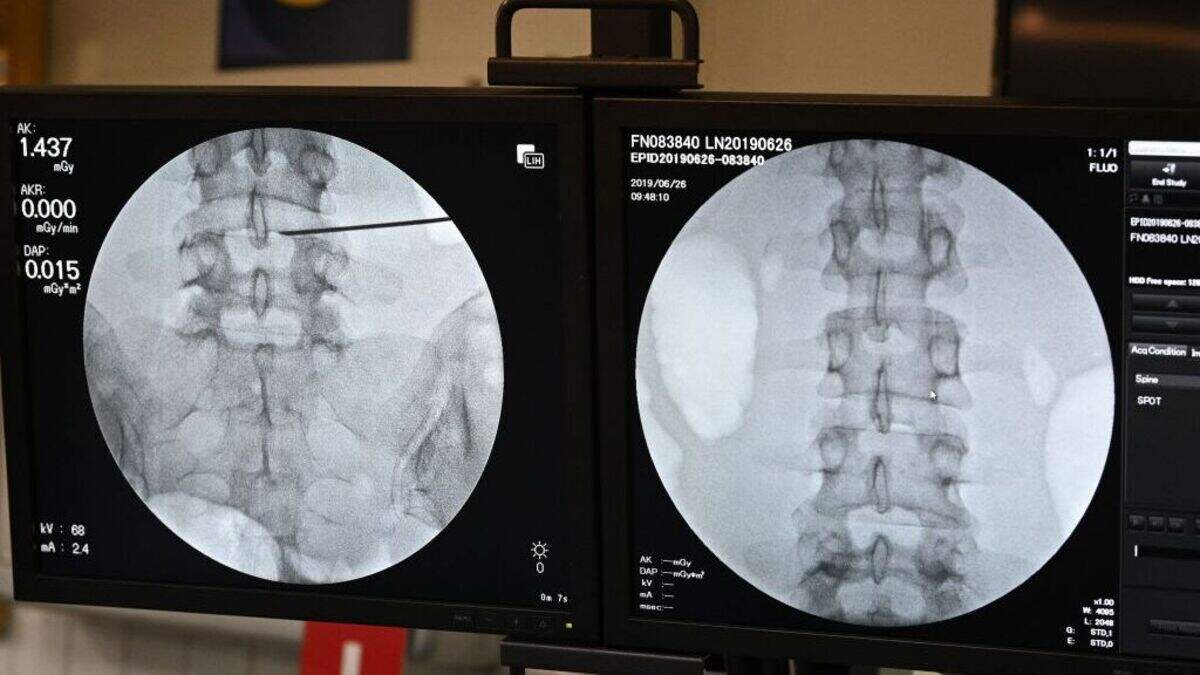
A March 2026 review in Bone Research found lymphatic networks running along the entire spinal axis, including the spinal cord, vertebral bones and intervertebral discs. The finding challenges long-standing anatomical assumptions and links spinal lymphatic dysfunction to neurological disorders and vertebral degeneration, reframing just how central this network is to whole-body health.
A 5-Minute, Tool-Free Morning Lymph Routine
You don’t need a gua sha stone or a compression suit. Five minutes of intentional movement before you get out of bed can meaningfully support lymph flow.
Diaphragmatic breathing (1 minute). Take 5 to 10 slow, deep belly breaths. Deep abdominal breathing creates a pressure variation between the thoracic and abdominal cavities that actively moves lymph toward the heart, a mechanism clinically referred to as the thoraco-abdominal pump. It’s the single highest-leverage thing you can do for lymph flow with no equipment.
Neck and collarbone massage (1 minute). Use light downward strokes toward the collarbone. Gentle massage of the lymph node clusters at the neck and collarbone can help clear stagnant fluid, since the thoracic duct returns the majority of the body’s lymph to the bloodstream right at the collarbone.
Armpit and groin activation (1 minute). Small fingertip circles at the armpits and groin crease open the body’s two largest drainage clusters before movement begins. Light pressure only, no tools needed.
Ankle pumps and calf raises (1 minute). Gentle muscle-pumping movements encourage lymph flow and may ease the heavy or tight feeling many people get after long periods of inactivity or hormonal shifts. Fifteen to 20 ankle circles per foot followed by slow calf raises activates the lower-body pump.
Hydration. Drink a full glass of water immediately on waking. Lymph fluid thickens when you’re dehydrated, slowing movement through the entire vessel network.
When to See a Doctor Instead
The signs above describe sluggish flow in otherwise healthy adults, not a clinical diagnosis. Persistent unexplained swelling in one limb, lymph node enlargement that doesn’t resolve, swelling following cancer treatment or any cardiovascular concerns all warrant a physician conversation before starting a self-massage routine.
This article was created by content specialists using various tools, including AI.