Why HRV biofeedback has become the strongest evidence-backed tool inside the nervous system training movement
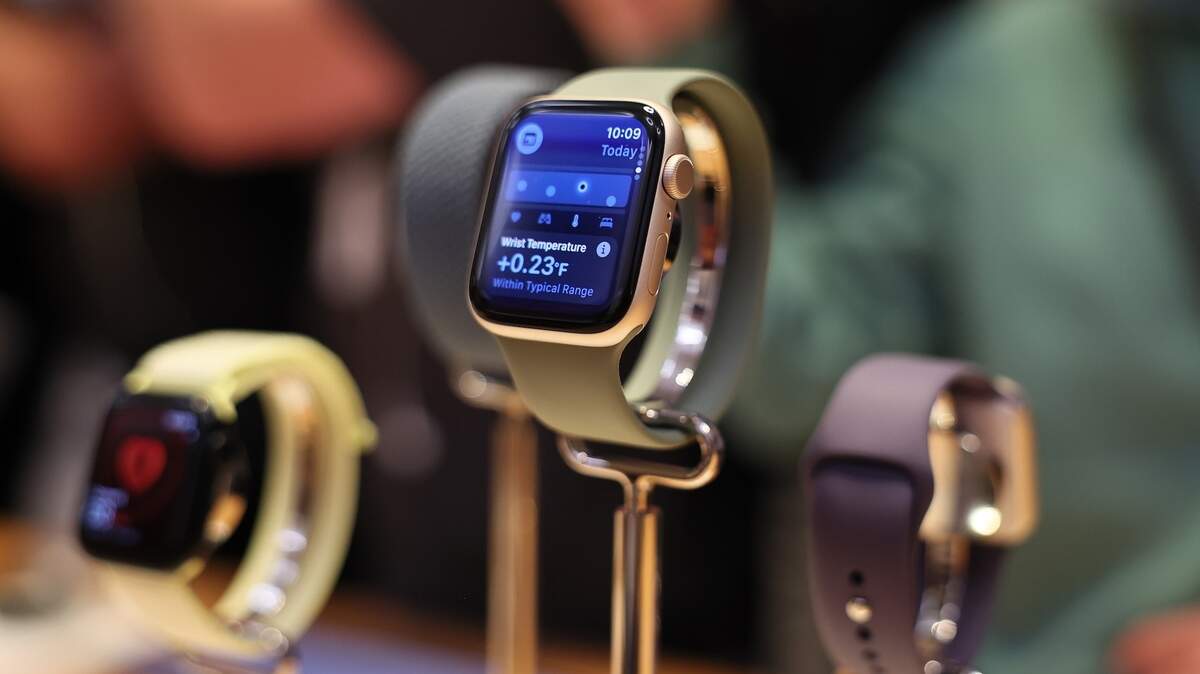
Stress used to be something wearables measured. Now it’s something they want to train. A wave of “nervous system gyms” is treating stress regulation like a muscle group, with reps, recovery blocks and long-term capacity scores, and the shift is changing how millions of consumers think about mental resilience. Nervous system training is moving from clinical biofeedback labs onto everyday wrists, chests and phone screens.
Consumer wearables are evolving from passive stress monitors into read-write systems that coach breathwork, HRV biofeedback and vibration-based calming, then track resilience as a trainable metric across weeks.
How Nervous System Training Works
Biofeedback is the foundation. “Biofeedback is a type of mind-body technique you use to control some of your body’s functions, such as your heart rate, breathing patterns and muscle responses,” per Mayo Clinic. Sensors read a physiological signal, feed it back in real time, and the user learns to nudge it in a calmer direction.
The clinical version dates to research in the 1960s and 1970s, when devices tracked heart rate variability, muscle tension and skin temperature to help people regulate what was once considered automatic. The consumer version compresses that same idea into a ring, watch or app.
“Nervous system gym” is not a medical term. It is an emerging label for tools that treat stress regulation as a skill you practice, not a state you observe.
The Biofeedback Wearable Landscape
The category took shape fast. Fitbit Sense launched in August 2020 with an electrodermal activity sensor for stress. In March 2023, WHOOP added a real-time Stress Monitor paired with guided breathing. In early 2024, Oura rolled out Resilience, a 14-day model that reframes stress as a training load.
Measurement leaders now include the Oura Ring with its Cumulative Stress feature, WHOOP with its 0-3 stress scale, Google’s Fitbit Sense, and the Apple Watch, whose Breathe and Reflect modes function as short HRV biofeedback sets.
Interpretation platforms sit on top of the hardware. Entrain by Hypothesis Forge markets “recovery speed” as the primary resilience metric. Sensie claims to detect stress from iPhone sensors alone. Meo Health uses phone-camera PPG for wearable-free biofeedback.
Then come the read-write devices that try to change your state, not just record it. Apollo Neuro uses vibrotactile stimulation on the wrist or ankle. Sensate delivers low-frequency vibrations and audio to the chest, marketed around the vagus nerve. NOWATCH ships a screen-less stress resilience wearable that rejects notification loops. Vibe Science frames the next generation as devices that alter physiology on demand.
Why the Science Still Lags the Marketing
Adoption is running ahead of proof. An electronics industry outlook projected the U.S. would pass 100 million smart wearable users in 2025, but credible market data for nervous system training as a distinct segment is thin.
Systematic reviews suggest HRV biofeedback has meaningful effects in some chronic disease and mental health contexts. Consumer vagus nerve claims are shakier. Harvard Health has taken a critical look at Apollo Neuro, and Medscape has warned about uncertain efficacy in at-home vagus stimulation devices.
What Comes Next for Stress Fitness
Expect closed-loop experiences within the next six to 12 months, where a spike in your stress score automatically triggers a haptic or audio protocol. Pressure is building for standard definitions of stress, resilience and recovery speed, along with more clinical partnerships as regulators pay closer attention.
For now, the market is splitting three ways. General wellness coaching for burnout-prone professionals. High-performance optimization for athletes and executives. Symptom-focused tools that will need real trials before doctors sign off. The nervous system gym is open. Whether it delivers depends on how quickly the evidence catches up to the marketing.
This article was created by content specialists using various tools, including AI.