A drug already in human trials could reverse tooth loss by 2030, a condition that affects millions
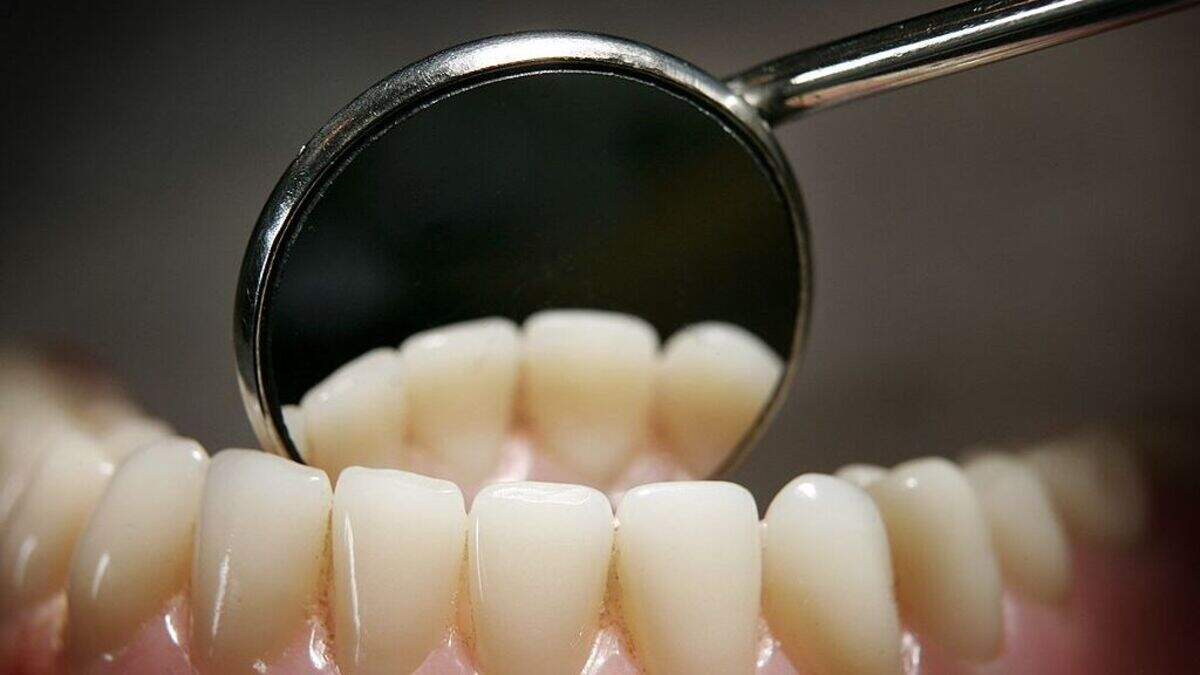
A Japanese biotech company is testing a drug designed to do what modern dentistry has never managed: regrow real, natural teeth in adults. If the science holds up in human trials, tooth loss could eventually be treated as a biological problem to reverse rather than a permanent condition to patch over with implants and dentures.
The drug, called TRG-035, is already in first-in-human safety testing at Kyoto University Hospital. It works by unlocking something most people have no idea they possess, a dormant third set of tooth buds waiting in the jaw.
The Surprising Science Behind the Tooth Loss Drug
TRG-035 is a neutralizing antibody developed by Toregem BioPharma, a Kyoto University spinout founded in 2020. The antibody targets a protein called USAG-1, which normally suppresses the growth of latent tooth buds humans carry beneath their existing teeth. Block the suppressor, and the buds have a chance to develop into real teeth, bone, root, enamel and all.
The lab work supporting the approach dates back to 2021, when mice genetically unable to grow teeth developed full sets after receiving the antibody, a result the company points to as evidence it’s reawakening dormant biology rather than manufacturing something artificial.
Where the Tooth Loss Trials Stand Today
Kyoto University Hospital opened enrollment for the first human safety trial in September 2024. Thirty adult men between 30 and 64, each missing a molar, are receiving the drug to establish a safe dosing range, not to test whether it actually regrows teeth in people, that question comes later.
The company is starting with the narrowest possible patient group: people with severe congenital hypodontia, a rare condition in which patients are born missing multiple permanent teeth. Japan’s Ministry of Health, Labour and Welfare granted the drug Orphan Medicinal Product designation. From that starting point, the company plans to expand toward broader tooth loss cases, with a public commercialization target of 2030.
Toregem has raised roughly $29 million in total funding, with Phase 2 planning already underway, per Futurism’s reporting on the company’s latest round.
How Common Tooth Loss Is Worldwide
The reason a regenerative dental drug matters beyond a rare-disease starting point comes down to scale. The World Health Organization estimates complete tooth loss affects almost 7% of adults aged 20 and older globally. That figure jumps to 23% for adults 60 and older.
Zoomed out even further, oral disease touches roughly 3.5 billion people globally, a bigger tally than cancer, diabetes, heart disease, chronic respiratory illness and mental health conditions add up to. Even a treatment that eventually expands to acquired tooth loss would address a genuinely enormous population.
Early Warning Signs of Tooth Loss
Most tooth loss doesn’t happen suddenly. It builds slowly through gum disease and decay, and the warning signs tend to show up long before a tooth actually falls out. Catching those signs early gives dentists the best chance to intervene while the damage is still reversible.
The most common early indicators include:
- Loose or shifting teeth
- Receding gums
- Persistent bad breath
- Bleeding while brushing or flossing
- Gaps forming between teeth that weren’t there before
- A bite that feels different than it used to
Any of these is worth a dentist visit rather than waiting to see if it resolves on its own.
How to Protect Your Teeth While the Research Develops
The most important thing to understand about this drug is that it is not an available treatment. TRG-035 is in early-phase human trials, and the company’s own commercialization target sits years out. No one should expect to walk into a dentist’s office and ask for tooth regrowth anytime soon.
Standard dental care still carries the most weight here. A dentist can catch and treat decay or gum disease long before either progresses to tooth loss, and that window of treatability is exactly what daily brushing, flossing and routine cleanings are designed to protect.
The Dormant Tooth Buds Almost No One Knows About
Perhaps the most surprising piece of this story has nothing to do with the drug itself. Humans carry a third, dormant set of tooth buds beyond baby teeth and adult teeth that never develop under normal biology. USAG-1 is the reason. Toregem’s antibody is essentially an attempt to switch off that suppressor and let the buds do what they were built to do.
Whether TRG-035 succeeds in later trials or not, that biological fact reframes how researchers, dentists and eventually patients think about tooth loss, alongside a broader wave of dental science, including new oral microbiome research, that’s treating the mouth as a more dynamic, reversible system than doctors once assumed.
This article was created by content specialists using various tools, including AI.