
Do no harm
I leave some bushes untrimmed to shelter small animals, put out seed and water for wintering songbirds, and add new plants each year that offer sustenance, such as fruits and berries – all in an effort to welcome wildlife into my garden.
But recently I learned some of my choices may be doing more harm than good.
It happened when I went online in search of tips for transplanting Nandina domestica, the evergreen shrub some call heavenly bamboo. I’ve grown fond of this Asian native with its green-and-rust-colored leaves and bright red berries that brighten the winter landscape. It’s not a local plant, but it also isn’t an especially aggressive invasive. So what harm could it do?
After deciding to check the facts about Nandina before putting the time and energy into moving the plants, I made a shocking discovery: Nandinas contain a form of cyanide that is toxic to animals, especially birds. A die-off of dozens of cedar waxwings in Georgia was traced to their dinner of Nandina berries. All this time I thought I was doing the birds a favor!
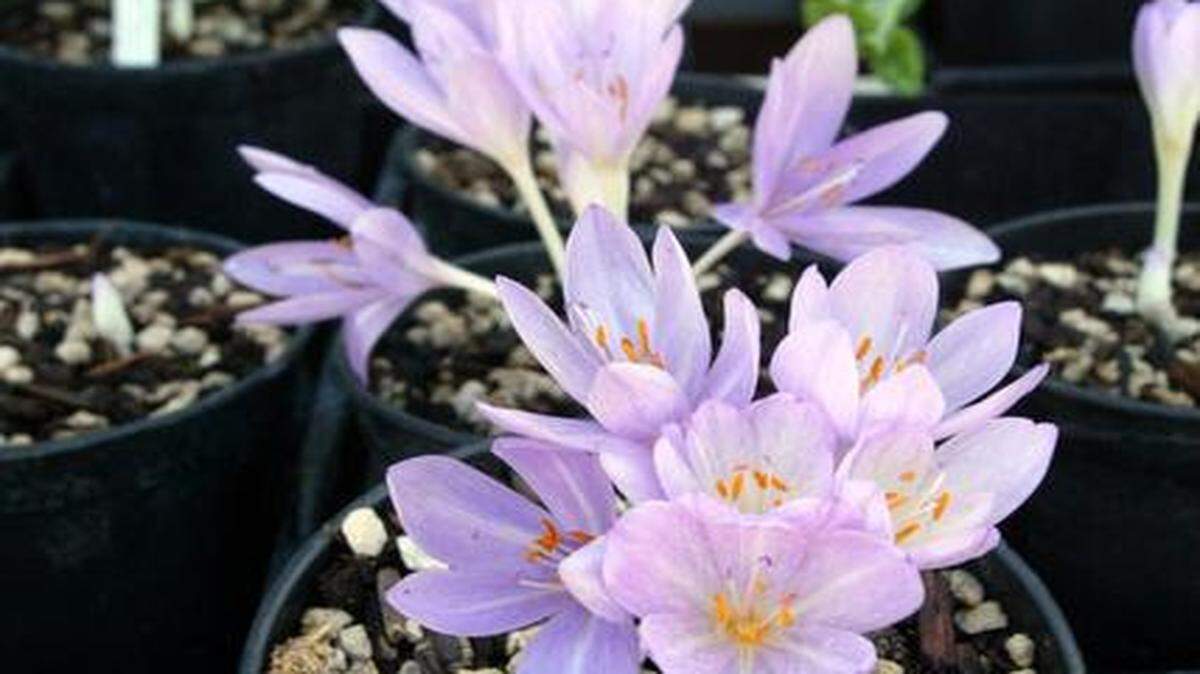
A review of botany sites reveals hundreds of plants that are considered harmful, including Nandina, azalea/rhododendron, autumn crocus (Colchicum autumnale) and English ivy (Hedera helix). It’s best to avoid planting them, even though experts seem to agree that poisonous botanicals are largely avoided by wildlife, which have evolved to prefer more benign fare.
The likelihood that birds, squirrels, rabbits and such will eat deadly amounts of the harmful food is slim, though exceptions do occur when food is scarce, due to drought or other harsh weather conditions – as with the cedar waxwings, which are known to swoop down onto berry bushes and eat themselves silly.
Still, it’s a good idea to pay attention to the things we put in our yards. Eighty-two percent of the U.S. population lives in cities or suburbs, as do two-thirds of native wildlife, according to the National Wildlife Federation. That means everything we do will affect the animals that share our outdoor spaces.
Steve Stone, who rescues and rehabilitates birds in the Triangle for the American Wildlife Refuge, has his own list of household hazards that are dangerous to wildlife. He points to fencing materials, such as barbed wire and chicken wire, as common causes of injuries to animals that become trapped in or cut by the metal.
Netting over koi ponds is another hazard, Stone said. Birds get hooked by the plastic and have difficulty extracting themselves without injury.
Another threat is rat and mouse poison. Owls and vultures have been killed by eating poisoned rodents, he said. Certain fertilizers containing blood meal and bone meal are also dangerous, along with most insecticides.
Stone also puts treated lumber on the danger list.
“Most treated lumber is full of arsenic,” he explains. If you don’t want to remove treated lumber, Stone suggests covering it with a layer of latex paint, which prevents the arsenic from leaching out.
He considers cats and other domesticated animals, particularly those that are feral, to pose the deadliest threat to birds and other wildlife.
Wildlife Haven, a center for rescue and rehabilitation in Ohio, has posted a list of guidelines for property owners who wish to avoid potential harm to wildlife. In addition to several of the warnings mentioned, they say:
▪ Alert birds to large windows or other large planes of glass, including patio doors and picture windows, by hanging ornaments, affixing stickers or just letting the glass get a little dirty. This can cut down the number of fatal crashes.
▪ Train children to respect wild animals and avoid tampering with their nests or other wildlife homes.
▪ Remove litter that could harm small animals, including plastic six-pack rings, fishing line, batteries or other items containing toxic chemicals.
▪ Leave babies alone, even birds that have fallen from the nest. Their parents are probably nearby or will return soon to care for fledglings.
▪ Place caps on chimneys and other openings to prevent birds, squirrels and other small animals from becoming a nuisance or getting trapped.
▪ Before mowing or tilling a garden, walk through to make sure there are no birds or rabbits nesting in the area.
▪ Inspect dead trees before removal. Consider letting them stand if they are not a potential nuisance. They make good homes for cavity dwellers.
▪ Use nontoxic products on your lawn and garden.
Elder: wildlifechatter@gmail.com
Wildlife watch
Cedar waxwings are a year-round inhabitant of central North Carolina, but are more commonly spotted in winter. They often travel in flocks of 50 to 100 or more birds.
What to look for: A medium-sized bird with a large head and short bill, the cedar waxing has a silky, pale brown body that fades to gray. It has a black face outlined in white and a pale brown crest that lies flat or droops atop its head. The wings are gray with red waxy tips that can be hard to spot, and the underside is pale yellow. The gray tail has a bright yellow tip.
Where to look: In winter, cedar waxwings are often seen near trees and bushes filled with berries. They nest in pines or other tall trees adjacent to woodlands, orchards and suburban gardens. In warmer months, they may be seen flying over water in search of insects or feasting on fruit.
How to feed: Native trees and shrubs that bear small fruits, such as dogwood, serviceberry, cedar or winterberry, are favorites. Birdseed with berries will attract them to feeders.
Source: Cornell Lab of Ornithology
This story was originally published March 3, 2015 at 10:55 AM with the headline "Do no harm."