
5 birds seeking food at your feeders now
Most of the naturally occurring food available for birds in our area has been depleted by late winter. It is usually during late February and March that some species seem to become more visible at feeders. I get photos from readers showing me which birds are visiting or asking me to identify an unfamiliar newcomer. Here are a few species that seem to show up at feeders at this time of year:
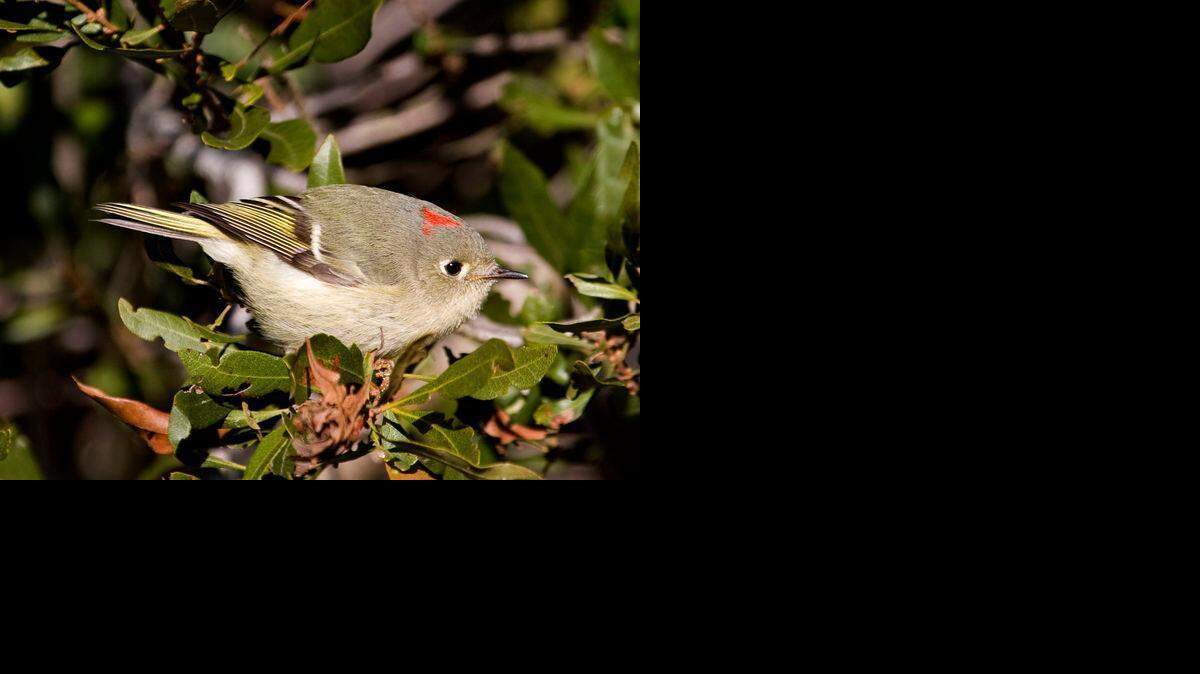
Ruby-crowned kinglet: These tiny balls of energy may visit for suet or suet dough. Look for a small, greenish bird with a bold eye-ring and bold wing bars. The males have a red patch of feathers on the top of the head. When they get agitated, the feathers are raised, revealing the ruby crown.
Hermit thrush: These woodland birds are almost exclusively ground feeders by now because the winter berries that they love are long gone from trees and shrubs. Look for hermit thrushes under feeders, gleaning the dropped food from above.
Yellow-rumped warbler: I get a lot of photos of this species this time of year. They will visit for suet and glean seeds from the ground. The brightest individuals have yellow patches on the sides and a prominent yellow spot above the tail. This can be easily seen when the bird flies away from you.
Red-winged blackbird: This species will drop in as it passes through to its breeding grounds. Adult males, black with scarlet and yellow shoulder patches, are easy to pick out, but immature males and females may not be. The young males have the characteristic light stripe on the wing but the red patch may be underdeveloped. The plumage is a mixture of black feathering with brown or straw-colored tips or edges. The females do not look anything like a blackbird, being heavily streaked with light brown or straw-colored markings.
Pine warbler: The bright yellow males are eye-catching when they fly in to partake of suet or for sunflower seed bits on the ground or on platform feeders. The females can be almost devoid of yellow but usually have at least a yellowish blush on the breast.
See photos of all of these species at piedmontbirding.blogspot.com.
Taylor Piephoff is a naturalist with an interest in the birds and wildlife of the southern Piedmont: PiephoffT@aol.com. Check out his blog at piedmontbirding.blogspot.com.
This story was originally published March 4, 2015 at 5:40 PM with the headline "5 birds seeking food at your feeders now."