
My top 10 tips for growing vegetables
The sudden greening of trees, splashes of yellow daffodils and red tulips and the roar of lawn mowers in action all say it’s spring.
So do young tomato plants at garden centers. And racks of seed packets so appealing you’re inclined to buy them all.
What can we say but it’s spring, when everyone’s a gardener.
So let’s get ready for a great season and start with vegetables.
1. Think small. It is easy to go overboard when you’re filled with enthusiasm, the air is cool and the ground soft and weed-free. Don’t. To start, make a small plot, about 4 by 4feet or 4 by 8. This is more likely to succeed than a larger one, which will be hard to tend come summer. Once you master techniques, you can go bigger.
A small plot will also allow you to get the soil right. Nothing succeeds like good soil, and it is worth all the effort to turn clay earth into loose, rich dirt through the addition of compost or other organic matter, 2 to 3 inches placed on top and mixed in well.
2. Your garden needs at least six hours of direct sunshine daily. More is better. Since trees are still leafing out, keep in mind that the picture could change in a few weeks. Notice, too, shade that may be cast by the house or garage in the morning or afternoon.
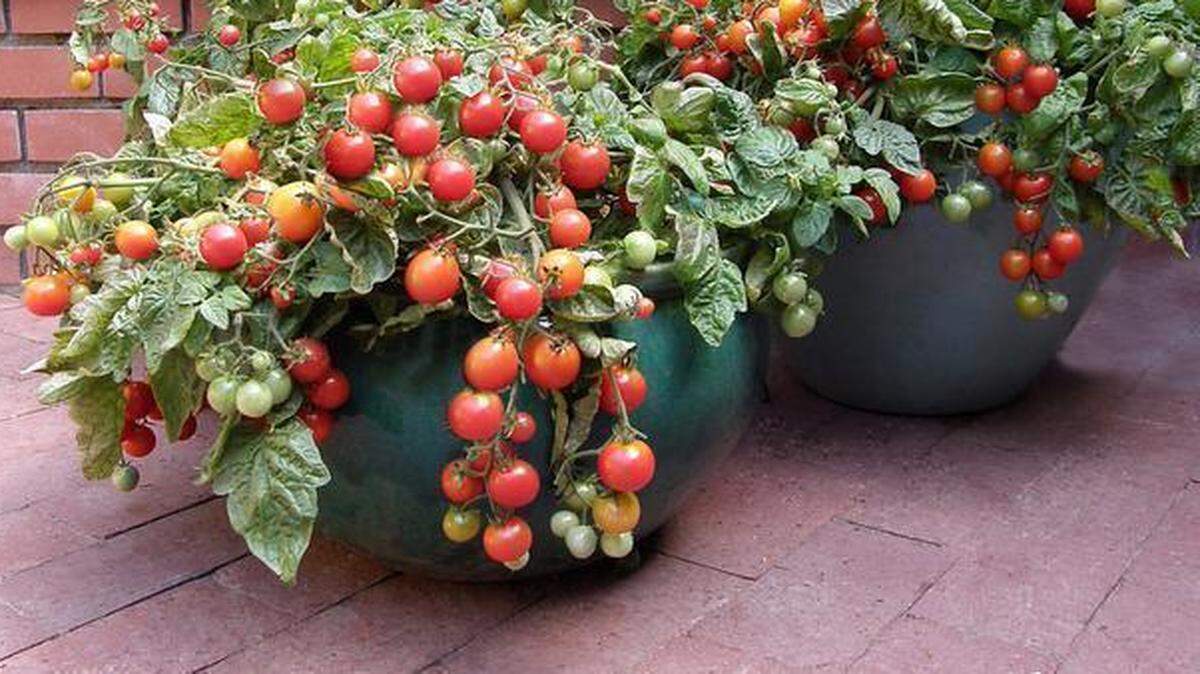
3. Many kinds of young vegetables are sold in pots, ready to set out in the garden this month. This is tempting, easy and gets the garden going as the air and soil warm up. Tomatoes, peppers and melons are popular choices for this. Tomatoes and peppers take some time to grow from seed to harvest stage. Plus you probably need only a few plants of each, so buying plants is often the right choice. It allows you to vary your choices, such as three kinds of tomatoes or peppers instead of just the single kind from a seed envelope.
4. But growing vegetables by starting from seeds is fun – almost a magical experience as you watch the seedlings rise and develop into fully formed plants. Squashes, including yellow summer squash and zucchini, and green beans are good choices.
5. Pay attention to distances. A tiny plant or miniscule seed may not seem to require much space initially, but it soon will. Look to seed envelopes and plants for guidance. With plants, place them the correct distance in the bed and resist the feeling that it looks too sparse. Most seeds sown in rows or blocks will require thinning once the seedlings emerge. Follow the distance recommendations.
6. Make your space count. Single rows of crops with paths between them belong to large-scale gardeners. For a small plot, plant in squares that can be reached from the outside of the plot. This makes maximum use of that space and reduces the temptation to put your feet on it, which causes compaction and hinders root development.
7. Timing is everything. A nice spring day can urge a gardener into a flurry of buying and planting vegetables. But they have different demands for soil and air temperature. Cool-weather crops such as beets, broccoli, leaf lettuce, cabbage and cauliflower tolerate, even thrive, in cool air and soil and should go into the ground immediately, if they haven’t been planted already. Many kinds of herbs, except basil, which demands warm soil, can go into the ground now as well.
8. As the weather and soil warm, starting about mid-April, many kinds of crops can go in. These include green beans, tomatoes, cucumbers and squashes. However, you must keep watch on the weather; if chilly weather prevails past mid-April, it is best to wait 10 days or two weeks, because the soil will be too cold for these warm-weather crops.
9. When it’s warm, about May 1, the weather is usually on a straight course to summer, and any of the warm-season crops can go in the ground. You can add basil, okra, cantaloupes, eggplants, lima beans and sweet and hot peppers to the lineup.
10. For good growth, use an organic fertilizer at the amount and times directed on the package.
Nancy Brachey: nbrachey@charlotteobserver.com
This story was originally published April 4, 2015 at 2:00 AM with the headline "My top 10 tips for growing vegetables."