
Your First Vegetable Garden: Low-Effort Crops That Actually Deliver
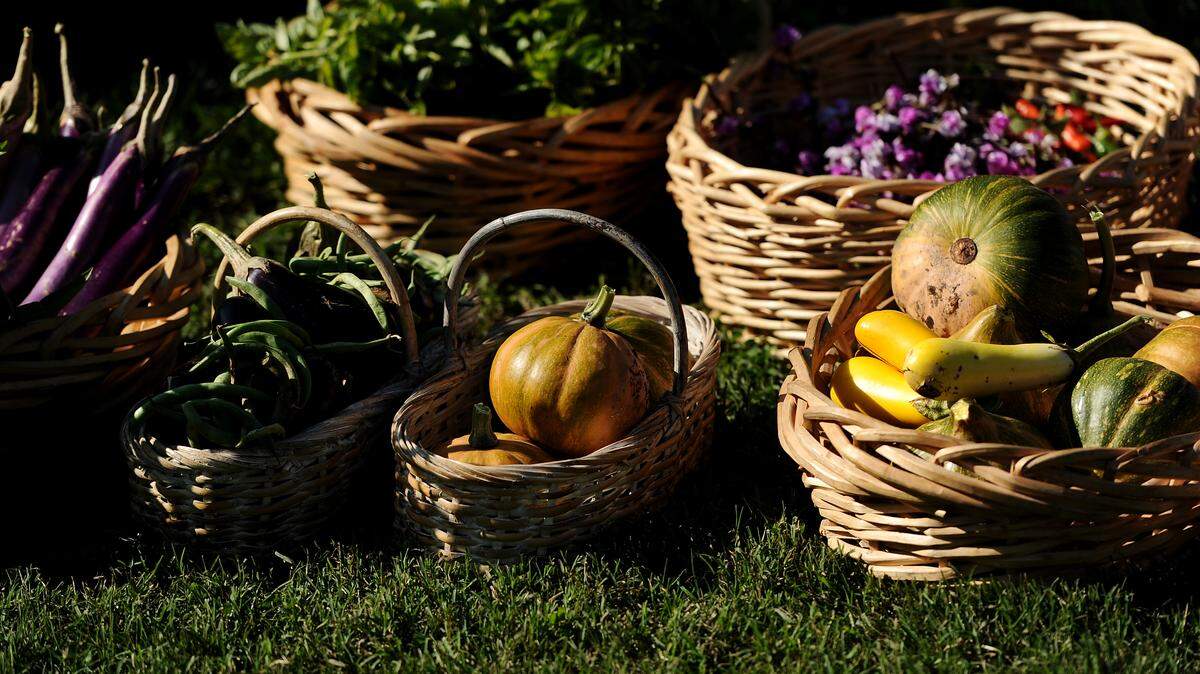
Starting a home garden doesn’t have to be complicated. In fact, some vegetables are incredibly easy to grow, making them perfect for beginners or anyone looking to enjoy outdoor gardening without the stress. Whether you have a backyard or just a few containers on a patio, choosing the right vegetables can make all the difference between a frustrating experiment and a genuinely rewarding pursuit.
The High-Yield, Low-Maintenance Picks
Some of the easiest vegetables to grow include lettuce, spinach, radishes, green beans, and zucchini. Each of these crops offers what an analytically minded grower would appreciate: a favorable effort-to-output ratio.
Lettuce is especially beginner-friendly because it grows quickly, doesn’t require much space, and can be harvested continuously. That continuous harvest element is worth underscoring — it means ongoing returns from a single planting, not just a one-time payoff. As Preen writes, “Unlike head lettuces that take longer to grow, leaf lettuces grow to a harvestable size in a few weeks. That means less time for anything to go wrong. And you can keep cutting new leaves until the heat starts turning them bitter. ”
The speed factor here is key: fewer weeks in the ground means fewer variables that can derail your results.
Spinach is another strong option, thriving in cooler weather and growing fast. For those who want to see near-immediate evidence that their effort is paying off, radishes are one of the quickest crops, often ready in just three to four weeks. That rapid turnaround makes radishes an ideal starter crop — a quick proof of concept before scaling up to more involved vegetables.
Kim Toscano for Southern Living says, “Radishes are grown in the spring and fall, along with lettuces. They grow very quickly, producing a crop in as little as three weeks. Sow seeds every seven to 10 days for a continuous supply. The flavor of radishes is associated with temperature, with cooler weather producing milder radishes.”
Reliable Producers That Keep Delivering
Green beans and zucchini are also top choices for easy gardening. Green beans are low maintenance and highly productive — the kind of straightforward, dependable performer any methodical planner appreciates. Zucchini plants are known for producing an abundance of vegetables once they get going — often more than you expect.
If you’re looking for low-effort, high-reward vegetables, cherry tomatoes, peppers, and cucumbers are excellent picks. Cherry tomatoes are more forgiving than larger varieties and tend to produce reliably.
Peppers do especially well in warm weather and can thrive in containers, making them a versatile option regardless of your available space. Cucumbers grow quickly, especially when given a trellis or something to climb. Vertical growing with a trellis is worth noting because it essentially lets you get more production from less square footage — an efficient use of limited garden real estate.
Bonnie Plants writes, “Cucumbers grow fast and don’t demand a lot of care. Just keep the soil consistently moist with an inch of water per week (more if temperatures sizzle and rain is scarce). If possible, water your cucumbers with a soaker hose or drip irrigation to keep the foliage dry. This helps prevent leaf diseases that can ruin the plant.”
Maximizing Limited Space With Container Gardening
For those with limited space, container gardening is a great solution — and it’s one that opens the door to home-grown produce even if you’re working with nothing more than a balcony or small porch.
Herbs like basil, mint, and parsley are incredibly easy to grow and add fresh flavor to your meals. These are crops that deliver disproportionate value relative to their size and care requirements. A small pot of basil, for instance, provides weeks of culinary use from a modest initial investment.
Green onions are another simple option — you can even regrow them from kitchen scraps, which represents about as close to zero-cost gardening as you can get. Preen also notes, “This is one of the few crops that animal pests generally let alone. In fact, anything in the onion family is good in that regard – leeks, shallots, garlic, and chives as well as the more familiar yellow, white, or red onion bulbs. Plant onions from little baby bulbs called ‘sets’ in early spring (or fall in southern climates), and they mature in about three months with very little care.”
That pest-resistance factor matters because it removes one of the most unpredictable variables from the equation. When you’re evaluating which crops to prioritize, a vegetable that rarely faces pest pressure is simply a more reliable bet.
Carrots also work well in containers, as long as the pot is deep enough to support their growth. This is one detail worth measuring carefully before planting — inadequate depth can undermine the entire effort.
The Essential Variables: Sunlight, Water, Soil, and Spacing
Start with the right spot. Most vegetables need at least six to eight hours of sunlight each day. If your space is shadier, stick with crops like lettuce or spinach that can tolerate less light.
Be careful not to overwater. This is one of the most common mistakes new gardeners make. Water deeply but less often, keeping the soil damp but not soggy. Overwatering can be just as damaging as underwatering, so restraint is warranted.
Use good soil. Healthy soil leads to healthy plants, so opt for a quality potting mix for containers and consider adding compost for extra nutrients. The soil is essentially the foundation everything else depends on — cutting corners here undermines every other effort you make.
Start small. Focus on just a few vegetables at first, such as zucchini, green beans, lettuce, or cherry tomatoes, so you don’t become overwhelmed. Expanding too quickly before you’ve established a reliable process is a common pitfall.
Give your plants enough space. Crowding can lead to poor growth and increase the risk of disease, so always follow spacing guidelines — even if it feels like you’re leaving too much room. The temptation to squeeze in more plants is understandable, but the math works against you: overcrowded plants produce less per plant, not more overall.