Why Travelers Are Flying to South Korea for Facials, Lasers and Glass Skin Treatments
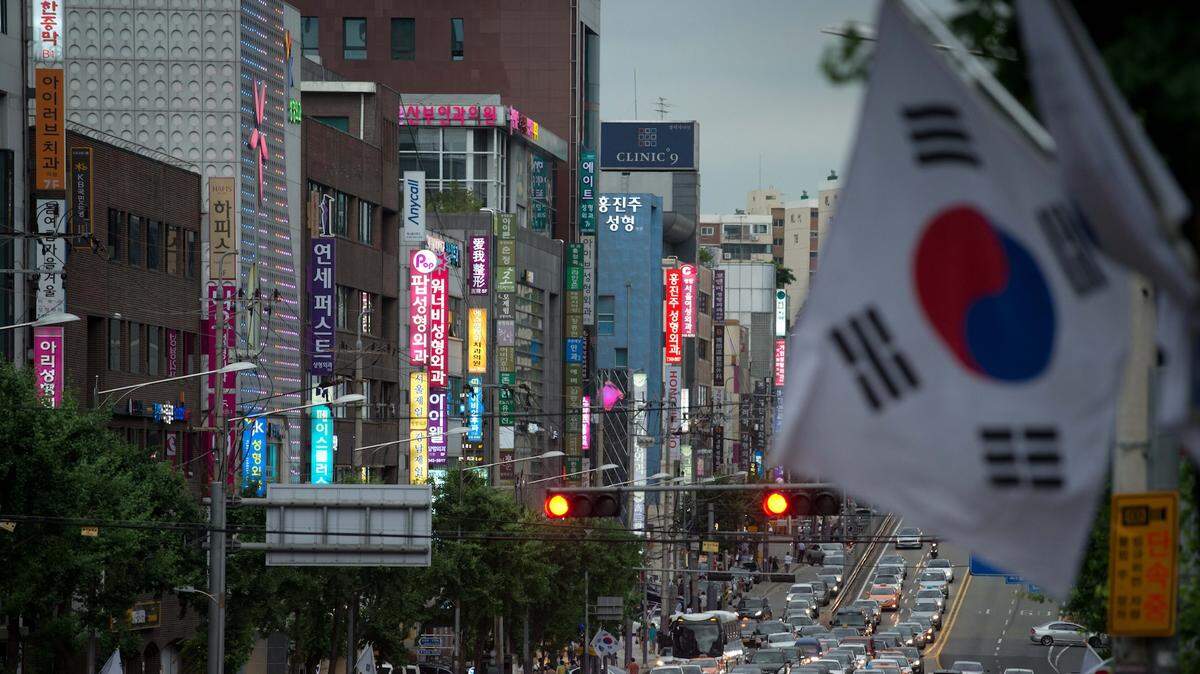
K-Beauty Travel has quietly become one of the biggest stories in global tourism, with travelers booking flights to Seoul specifically for facials, lasers and aesthetic procedures that cost a fraction of what they would pay at home. Driven by the worldwide reach of K-pop, K-dramas and Korean skincare, South Korea has emerged as the go-to destination for anyone chasing the dewy, luminous “glass skin” look that has taken over beauty feeds.
The numbers back up the hype. In 2024, South Korea passed France to become the leading exporter of cosmetics to the United States, according to Bloomberg. That same year, the Korean Ministry of Health reported that 1.2 million people traveled to South Korea for aesthetic reasons — a figure that has reshaped how the country thinks about tourism, soft power and its place in the global beauty market.
How K-Beauty Travel Became a Global Phenomenon
The rise of K-Beauty Travel didn’t happen in isolation. It grew alongside the Korean Wave, or Hallyu, which spread through K-dramas, K-pop, food and film over the past decade. Cultural exports from acts like BTS and BLACKPINK, along with breakout shows like Squid Game, turned Korean beauty standards and products into major drivers of global demand. What started as curiosity about playful packaging and novelty ingredients has matured into serious interest in clinical-grade skincare and aesthetic medicine.
South Korea’s beauty industry has shifted accordingly. The country’s skincare philosophy now centers on prevention, collagen stimulation and non-invasive treatments designed to create smooth, luminous skin. That focus on results — rather than gimmicks — is a big reason travelers are willing to fly halfway around the world for a facial.
Why the South Korean Government Is Investing In Beauty Tourism
Beauty tourism isn’t just a trend in South Korea — it’s national policy. The government has made aesthetic tourism a major growth priority through visa assistance, tax incentives and national promotion. President Lee Jae-myung named K-beauty one of the country’s “big five” soft power pillars as part of a plan to strengthen South Korea’s global cultural influence.
That backing has helped Seoul cement its status as the center of K-Beauty Travel. The city’s clinics offer treatments that are often 30% to 50% cheaper than comparable procedures in the U.S. or Europe. The competitive clinic market has also pushed standards higher, with advanced technology and meticulous service now the norm for visitors seeking everything from a basic facial to more involved cosmetic procedures.
The Most Popular Treatments Driving K-Beauty Travel
Travelers heading to Seoul are typically chasing a specific set of treatments. Dr. Adeline Koh, founder and formulator of Korean skincare brand Sabbatical Beauty, told Byrdie that laser toning, HIFU (high-intensity focused ultrasound) and Rejuran Healer injections are among the most popular options, along with non-invasive lifting procedures like RF microneedling.
“These procedures focus on creating that signature ‘glass skin’ look Korea is known for,” Koh said.
She also pointed to ultrasound therapies like Ultherapy and Local Dynamic Micro-massage (LDM), which remain in heavy demand because they stimulate collagen and elastin while helping define facial features. Part of the appeal, she explained, is how quickly the field evolves.
“Technology and techniques are advancing rapidly, and Korean practitioners are often the first to innovate or refine treatments,” Koh said.
For more information: The Rise of Beauty Tourism: 5 Best Countries for Glass Skin, Facials and Hair Transplants
Head Spas, Facials and the Clinics Travelers Seek Out
Head spas have become one of the most talked-about beauty tourism experiences in South Korea. The treatments begin with a scalp analysis under a microscope, followed by exfoliating, steaming, cleansing and massage steps designed to improve scalp health and hair shine. Popular English-speaking options in Seoul include Eco Jardin and Juno Hair Myeongdong Street, both of which have built reputations for handling international visitors.
Personalized facial treatments are another major draw. Clinics like Medicube in Gangnam offer in-depth skin analysis along with treatments that use the brand’s well-known skincare devices and products. Medicube’s viral Age-R Booster device, in particular, got a major visibility boost after Hailey Bieber and Kylie Jenner helped popularize it.
Other clinics have carved out their own niches. Sulwhasoo Spa focuses on heritage ingredients like ginseng, while D&A and Individuel Genève specialize in skin boosters and laser treatments. Cclime, known for non-invasive contouring popular with Korean celebrities, draws travelers looking to reduce puffiness and achieve a more lifted, sculpted look.
Traditional Spas and What Makes Them a Must for Travelers
No K-Beauty Travel itinerary is complete without a stop at a jjimjilbang — the traditional Korean communal bath house that remains one of the country’s most recognizable wellness experiences. These spas typically include pools, heated rooms and the well-known “seshin” full-body scrub, in which skin is exfoliated using a rough mitt. The result is famously thorough, and for many visitors it’s the most memorable part of the trip.
Spa Land Centum City in Busan is the largest jjimjilbang in the country and a destination in its own right. Closer to the airport, Cimer at Paradise City near Incheon has become a popular modern option for travelers arriving on long-haul flights and looking to reset before heading into Seoul. Between the clinic visits, head spas and traditional bath houses, K-Beauty Travel offers something most beauty destinations can’t match: an entire ecosystem built around skin.
This article was created by content specialists using various tools, including AI.
This story was originally published May 14, 2026 at 4:17 PM.