Homestay Travel Guide: What Is It and Why Are Travelers Choosing It in 2026?
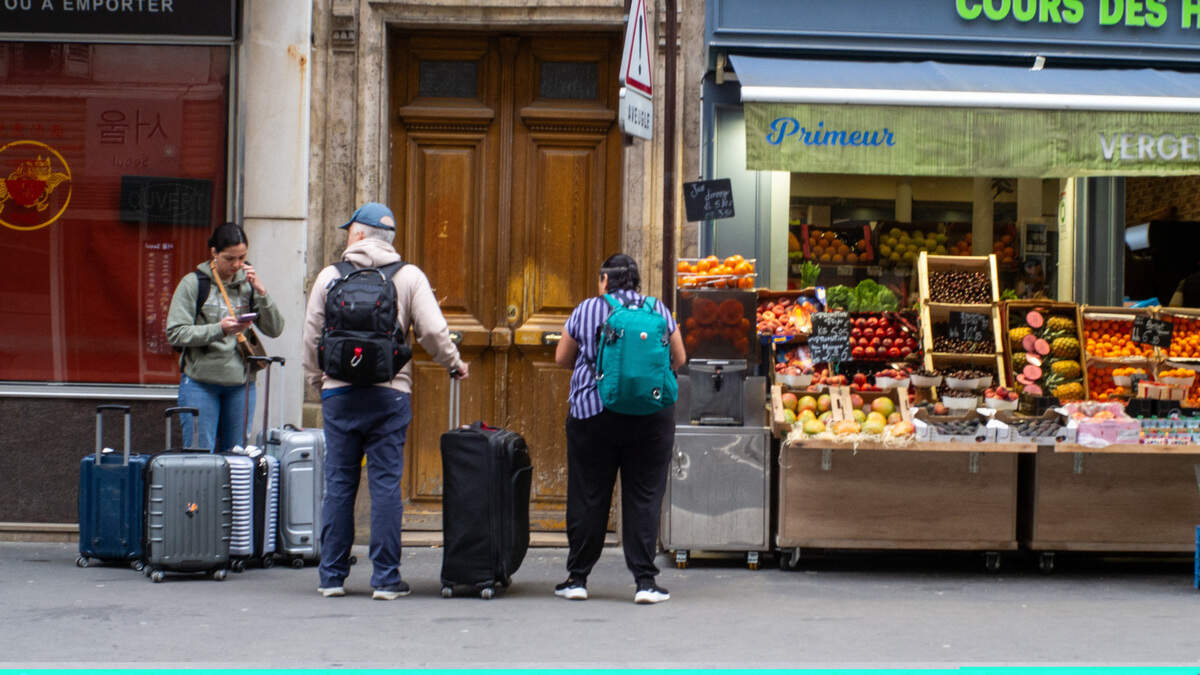
Homestay travel is having a moment as travelers increasingly skip hotels in search of authentic, locally rooted experiences. Here’s what to know about how it works, why demand is surging and how to book one safely.
What Is Homestay Travel and How Does It Work?
Homestay travel is lodging in a local resident’s home instead of a hotel, hostel or campsite — but the real value lies in the cultural immersion that comes with it. Travelers stay with a host family, share meals, learn customs firsthand and gain insider knowledge no guidebook can offer.
The model goes beyond accommodation. Guests are exposed to unfamiliar traditions, eat authentic home-cooked food and often build genuine relationships with their hosts. As Anthony Bourdain put it, “Be a traveler, not a tourist” — a philosophy that captures what separates a homestay from a standard vacation rental.
Unlike a hotel stay, which is largely transactional, a homestay puts travelers inside the daily rhythm of a destination. That means waking up to a local breakfast, navigating the neighborhood with someone who actually lives there, and getting recommendations that don’t appear on any travel app.
Why Is Homestay Travel Growing In Popularity In 2026?
Demand for homestay travel is surging because travelers — especially younger ones — are prioritizing immersive, culturally rich experiences over traditional sightseeing. 2025 Skift research found that 86% of travelers now prioritize immersive experiences, with 80% of millennials and 75% of Gen Z driving the shift.
The trend extends beyond entertainment. According to a 2026 study by the European Travel Commission, published in its Assessment of Responsible Travel Behaviours of Long-haul Travellers to Europe, long-haul visitors are increasingly seeking local, authentic experiences and showing greater openness to destinations beyond the main tourism routes.
Homestay travel sits at the intersection of both trends. Travelers who choose homestays typically report:
- Full cultural immersion without feeling like an outsider
- Direct access to hosts’ stories, perspectives and hospitality
- Better language exposure than a short hotel stay provides
- Authentic, home-cooked meals
- Cost savings compared with most traditional lodging
- Access to off-the-beaten-path experiences unavailable to typical tourists
The Skift data suggests this isn’t a passing trend — it’s a generational shift in how people define a meaningful trip.
Is Homestay Travel Safe for First-Time Travelers?
Homestay travel can be safe when travelers vet their hosts carefully and prepare in advance, though safety is one of the most common — and reasonable — concerns for first-timers. The risk profile is different from a hotel, but it isn’t inherently higher when proper precautions are taken.
A few practical steps go a long way. Research local laws and cultural customs before arrival so you understand expectations once you’re there. Read reviews carefully on booking platforms, paying attention to patterns rather than one-off complaints. Thoroughly vet a host’s profile — including photos, hosting history, guest feedback and any listed house rules — before committing to a booking.
First-time homestay travelers should also communicate directly with hosts before arrival to clarify expectations on both sides. A short message exchange often reveals whether a host is responsive, transparent and a good fit for your travel style.
How Do You Find a Homestay and Which Booking Platforms are Best?
Travelers can find homestays through dedicated booking platforms, skill-exchange networks and community-driven hospitality sites — each suited to a different type of trip. The right choice depends on budget, length of stay and how much cultural exchange you want.
Recommended resources include:
- Homestay.com — a dedicated homestay booking platform with global listings
- Worldpackers — connects travelers with hosts in exchange for skills or volunteer work
- WWOOF — focused on organic farming hosts around the world
- Couchsurfing — a community-driven platform for staying with locals at no cost
Beyond official platforms, travel forums and first-hand recommendations from people who have already done homestay trips are invaluable. Word of mouth often surfaces hosts and regions that don’t appear prominently on booking sites — and gives you a more honest read on what to expect.
Is a Homestay Better Than a Hotel for Cultural Travel?
For travelers who want to genuinely connect with a destination rather than pass through it, a homestay typically offers a deeper experience than a hotel. Hotels remain the better choice for short stays, business trips or when predictable comfort is the priority — but they can’t replicate the access a host family provides.
Homestay travel represents a fundamentally different philosophy of exploring the world — one built on connection and authenticity rather than convenience. The trade-off is unpredictability: you give up some consistency and privacy in exchange for cultural depth, real conversations and meals you couldn’t order off a menu.
The question worth asking before any trip: are you visiting, or are you actually experiencing?
This article was created by content specialists using various tools, including AI.