
Judge: DA did not discriminate against Black man in notorious Salisbury murder case
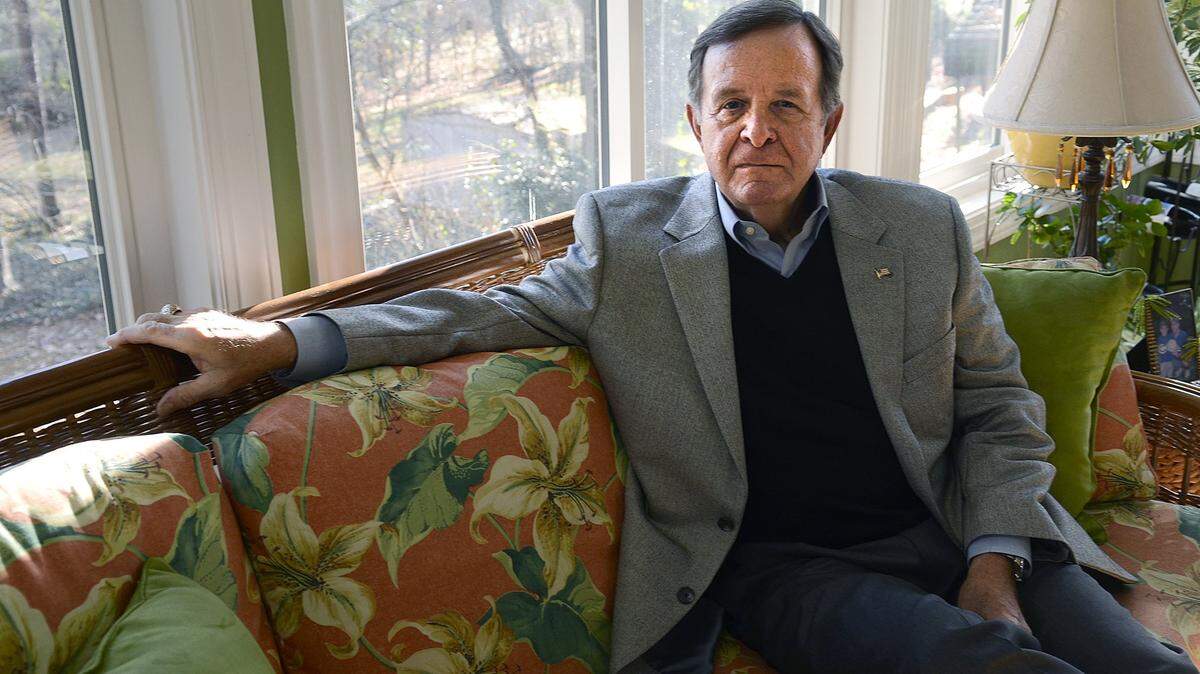
Frank Chambers won’t get a new trial — at least for now.
Chambers, who is Black, was not a victim of discrimination in his 1994 Rowan County murder trial, Judge Richard Doughton ruled last week. He got a fair trial with a fair jury selection, the judge said.
That jury was all-white save for one person. And notes from then-District Attorney Bill Kenerly and one of his prosecutors rekindled concerns of discrimination initially raised during jury selection.
But there was no such discrimination, according to the judge.
Doughton sat on the bench for about five minutes Thursday, shared his order with attorneys and left. But his 152-page opinion is full of defenses for the former district attorney.
“This court finds DA Kenerly asked questions of African American potential jurors and white potential jurors in an even-handed manner and did not ask a disproportionate number of questions to anyone,” part of the opinion says.
Case goes back decades
Chambers’ is one of Salisbury’s more infamous murder cases.
In October 1992 B.P. Tutterow — a jail cook and former sheriff’s deputy — and his wife Ruby were found shot to death in their home.
Court filings describe the couple, in their 70s, as “both incredibly nice people.”
Police ultimately charged Chambers and two other men — William Barnes and Robert Blakney — in the case.
And with DNA evidence, witnesses and other evidence, prosecutors convinced a jury that all three were guilty of breaking into the home, robbing the Tutterows and murdering them.
“I ask you for one thing, justice — the death penalty,” Assistant District Attorney Ariadne Symons told the jury, according to reporting from The Charlotte Observer. “Anything less is a joke. Anything less means these men beat the system.”
Chambers and Barnes got that sentence. Blakney was sentenced to serve the rest of his life in prison.
It has been a long and winding road since, with multiple appeals.
In 2021 Chambers’ and Barnes’ death penalty sentences were vacated. A juror had discussed the death penalty with her pastor during deliberation, then shared the conversation with other jurors, the Salisbury Post reported.
Judge: No evidence of discrimination
Defense attorneys representing Chambers have spent months advocating for a new trial — this time on a claim that prosecutors discriminated against Black potential jurors in 1994.
Notes dating back to the original trial, written by Kenerly and Symons, were at the center of an evidentiary hearing this summer.
Some of the concerns raised by the defense, according to a transcript from the evidentiary hearing:
Prosecutors took notes on the race of Black potential jurors, but not white ones.
Prosecutors wrote down Black people’s hairstyles, like cornrows and a box cut, in their notes.
They were concerned over one Black woman working in Charlotte.
Kenerly also worried that woman — whom he described as attractive — might be attracted to one of Chambers’ co-defendants, whom a psychiatrist had also described as attractive. That co-defendant was Black, too.
And he asked if she would be subject to criticism from her “Black friends” if she supported a death penalty in the trial.
None of that swayed Doughton, the judge. In his opinion, he said that Kenerly had various reasons for dismissing potential jurors.
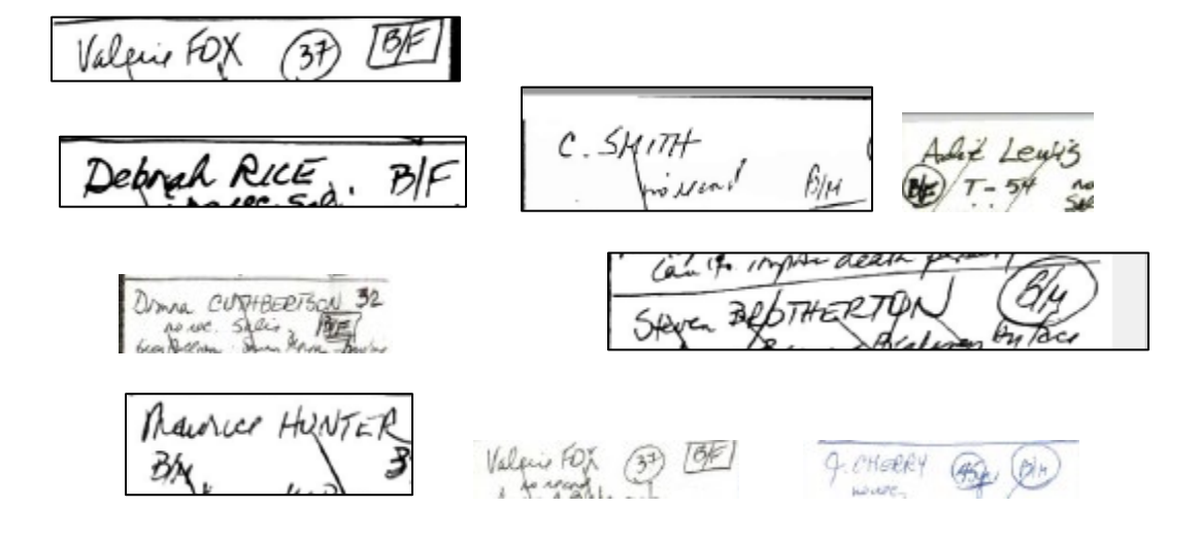
Prosecutors dismissed more than 66% of the Black potential jurors they met, and though those “statistics are some evidence of potential discrimination,” they were not enough compared to “side-by-side comparisons,” the judge wrote.
Kenerly’s testimony at the evidentiary hearing weighed heavily.
“This Court has found DA Kenerly’s testimony that he did not intentionally discriminate against any potential jurors he excused in this case to be eminently credible and this weighs heavily in this Court’s totality analysis of Defendant’s claim,” the judge wrote.
Other procedural and legal issues stopped Doughton from greenlighting a new trial, too, the judge wrote.
Defense wants state Supreme Court to review case
In a post, Chambers’ defense attorney and the Center for Death Penality Litigation Executive Director Gretchen Engel shared her dismay over Thursday’s ruling.
“As his lawyer, I am devastated on two levels,” she wrote. “First, that this blatant discrimination happened to begin with. Second, that all these years later, a court has said it makes no difference whether Black citizens are denied their constitutional right to serve on a jury.”
Engel told The Observer that she will ask the North Carolina Supreme Court to review the case.
She declined to comment further.
A prosecutor in the case, Teresa Postell with the state attorney general’s office, did not respond to a message from The Observer. Kenerly could not be reached on Monday.
This story was originally published December 19, 2023 at 6:00 AM.