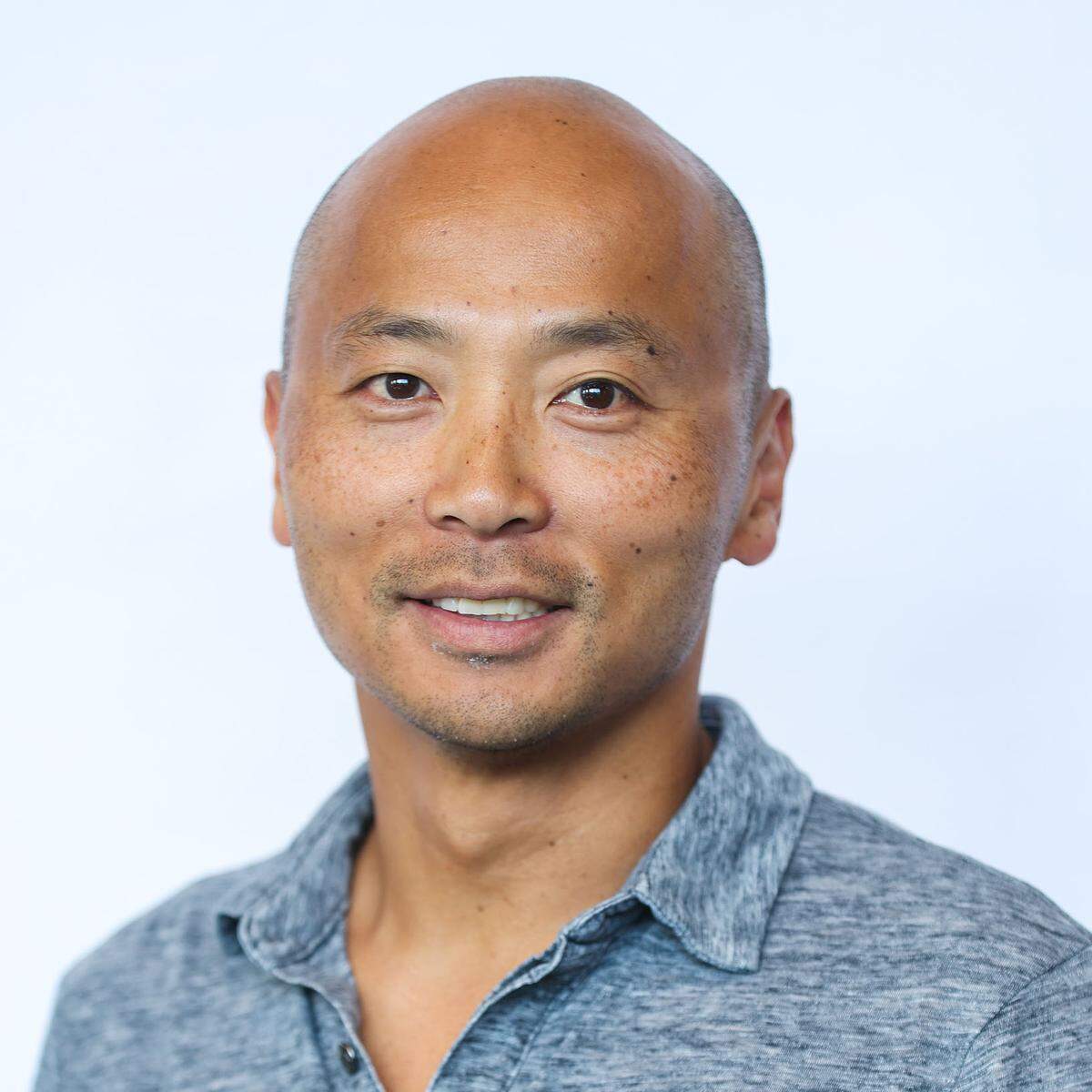
Through tears, Olde Mecklenburg Brewery owner reflects on Mecktoberfest controversy
John Marrino isn’t at all sure that he’s making the right decision by doing this.
He was wary when first asked about sitting down to talk candidly about the biggest PR nightmare he’s ever experienced in the 11-plus years since he opened Charlotte’s Olde Mecklenburg Brewery, and he still is now, even as he sits at a table in the taproom with a reporter six feet in front of him.
“It was a tough situation, and it’s now been a month and a half, and I just don’t want to —” Marrino pauses, and resets: “Honestly, I’m a little nervous about stirring up old sediment. ... That’s my biggest concern, is it just regurgitates the whole story, and I frankly wanted to get it behind us, because it was an isolated incident. It’s not the way we operate every day.”
The story is this: On the night of Saturday, Sept. 26, at the peak of OMB’s annual three-day Mecktoberfest event, many of the people in the large crowd that had gathered in the beer garden off of Yancey Road behaved as if they’d never heard of social distancing or face coverings — basically, as if the pandemic didn’t exist.
In the aftermath, the city’s oldest brewery was blitzed by the local media and scrutinized by Mecklenburg County health officials (which eventually linked five COVID-19 cases to the festival), and critics on social media lambasted OMB for its poor judgment, with some even calling for a boycott.
Though he posted an open letter addressing the controversy on OMB’s website on Oct. 13, Marrino and others at OMB otherwise have ignored reporters looking for comment about the brewery’s handling of Mecktoberfest.
But this week, despite his mixed feelings, he decided he’d take a fresh opportunity to try to explain the entire situation from his perspective.
And as he tries to do so, a tear spills down John Marrino’s cheek.
Coping with COVID-19
Marrino says OMB was having a fantastic 2020 — that it was projecting to be the brewery’s best first quarter in three years — up until the coronavirus on March 17 led to N.C. Gov. Roy Cooper ordering restaurants and bars closed except for takeout and delivery orders.
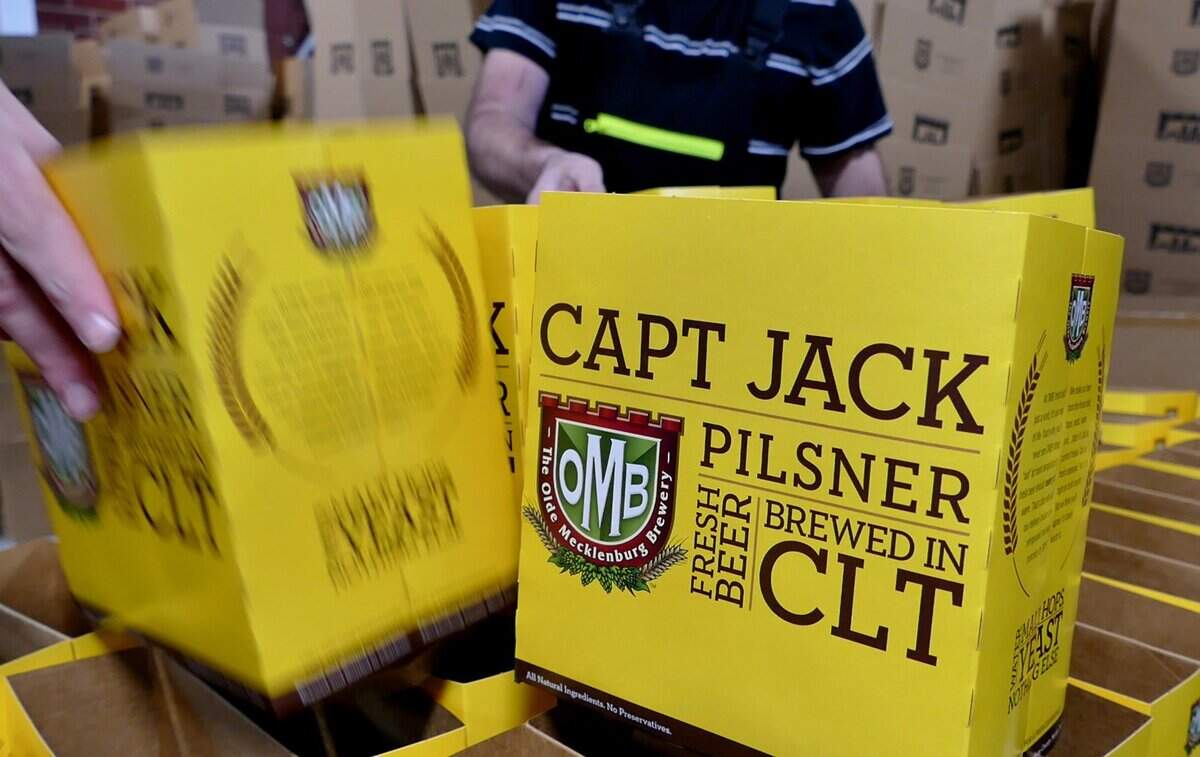
Like with so many of these establishments, the impact on OMB was substantial once it became clear that the stay-at-home order wasn’t going to be lifted anytime soon: Marrino ended up having to furlough about 100 employees (roughly two-thirds of his staff) and he says about a thousand barrels of beer got poured down the drain.
They were still brewing enough to keep up with a bit of an uptick in demand for the OMB cans and bottles sold in grocery stores, but with their own venue closed and no restaurants open to distribute barrels to, April and May were grim months.
“I was nervous,” Marrino says. “I didn’t disagree with the shutdown. Because at the beginning, nobody knew what this pandemic was gonna be like. Nobody knew how deadly it was gonna be. Nobody knew anything, right? So they needed to buy time. They needed to make sure they didn’t overwhelm the hospitals. And that’s what they did, effectively. So from that standpoint, I have no issue with it whatsoever.
“The difficulty for a business comes when you don’t know when you’ll be able to do what. It’s hard to plan if the rules are not clear and things change all the time.”
But he says he planned as best he could.
Some of the employees he hung onto weren’t directly involved in brewing, and during that period he shifted their focus toward getting OMB ready to reopen amid a pandemic.
They scrubbed the premises from floor to ceiling. They moved all the tables out into the parking lot, sanded them down and coated them with epoxy and urethane to make them non-porous (i.e., much easier to clean and sanitize than wood). When finished, they only moved half of the tables back into place, in favor of social-distancing.
Things started looking up a little in mid-April, when Marrino says OMB received just over $1 million via the government’s Paycheck Protection Program. He immediately brought back about 80 furloughed employees, bringing the staff size to around 130.
A month later, Cooper announced the state would move to Phase 2 on May 22, an easing of restrictions that would breathe a little life back into bars and restaurants.
It would need to be done carefully, and hiccups were anticipated; the brewery in fact took to its Facebook page the day before reopening “to ask for your patience and understanding while we fine tune everything and adjust to the new standards in place.” But Marrino says OMB’s transition to operating in COVID times went relatively smoothly, and that OMB didn’t run into a single problem of note — until the night of Saturday, Sept. 26.
And unfortunately for Olde Mecklenburg Brewery, it would be a huge problem.
‘Let this evening be over’
In addition to being the name of its most popular seasonal beer, Mecktoberfest is also the name of the Oktoberfest-style celebration OMB has hosted every year since it was founded in 2009.
The game-changer for the event came six years ago, after OMB moved from its original digs on Southside Drive to the much larger plot off Yancey, one that could accommodate a biergarten that sprawled across more than an acre and quickly became a hotspot for beer lovers in Charlotte.
On a normal Saturday, depending on the time of year, Marrino says the biergarten draws anywhere from 200 to 500 people. On Saturday night during a normal Mecktoberfest, that number can climb much, much higher as revelers drink from 1-liter glass boots and listen to Bavarian music.
Of course, these aren’t normal times.
Big crowds are frowned upon right now. But Marrino says he and his staff felt OK about going forward with plans for a couple of reasons:
The first was simply that they didn’t think the three-day event would draw a big crowd. In fact, “We kind of expected it would be more subdued because of the coronavirus,” he says, “because a lot of people didn’t want to be out in crowds. So we thought, ‘OK, probably gonna be much less than half of normal.’”
The second was more philosophical. “This whole pandemic’s been a difficult thing of trying to strike the right balance, so we’ve been trying to figure that out internally. And our philosophy is, ‘Let’s not take away people’s ability to come out here and enjoy themselves and listen to the music and drink beer.’ ... We thought we had all of the protocols in place.”
He says Friday went smoothly in terms of manageable crowd sizes and people acting in a safe manner. So did Sunday.
“And Saturday was fine,” Marrino says, “until late afternoon.”
Though he actually wasn’t on site that Saturday — he says he typically isn’t at OMB on Saturdays at all, because he’s there throughout the week — he was getting updates from staff, so he was aware that the crowd was building and continued to grow after dark.
“They weren’t saying, ‘It’s getting out of control,’” he says. “They were saying, ‘It’s getting a little wild.’”
“And the mistake we made is we didn’t react. We didn’t close the gates, and we didn’t start running around mandating people put on masks and social distance.”
Eventually, it did get out of control: At the peak on Saturday night, he speculates, “there were probably close to a thousand people out there.”
Marrino says “it was mostly young people ... that were getting a little out of control. You know how young people are when they have a couple of beers and they’re hanging out with their twentysomething buddies. They kind of tend to forget about the fact that they’re supposed to be social distancing.”
Of course, that was only part of the problem. The other part of the problem — the damning one, for OMB — was the fact that Marrino’s staff did nothing to remind them.
Instead, “We kind of said, ‘Oh my goodness. Let this evening be over.’”
For whatever reason, on that Saturday night, it just didn’t occur to Marrino or his staff how grave the repercussions could be, either from a PR standpoint or from a public health standpoint.
Pretty quickly afterward, however, it did.
Dealing with the fallout
Forty-eight hours later, Fox 46 Charlotte broke the story on its evening newscast, showing video of partygoers packing OMB’s biergarten and quoting the county health department as saying attendees should get tested for COVID-19.
By the time the county started linking positive cases to the event, the following week, pretty much every local media outlet became interested.
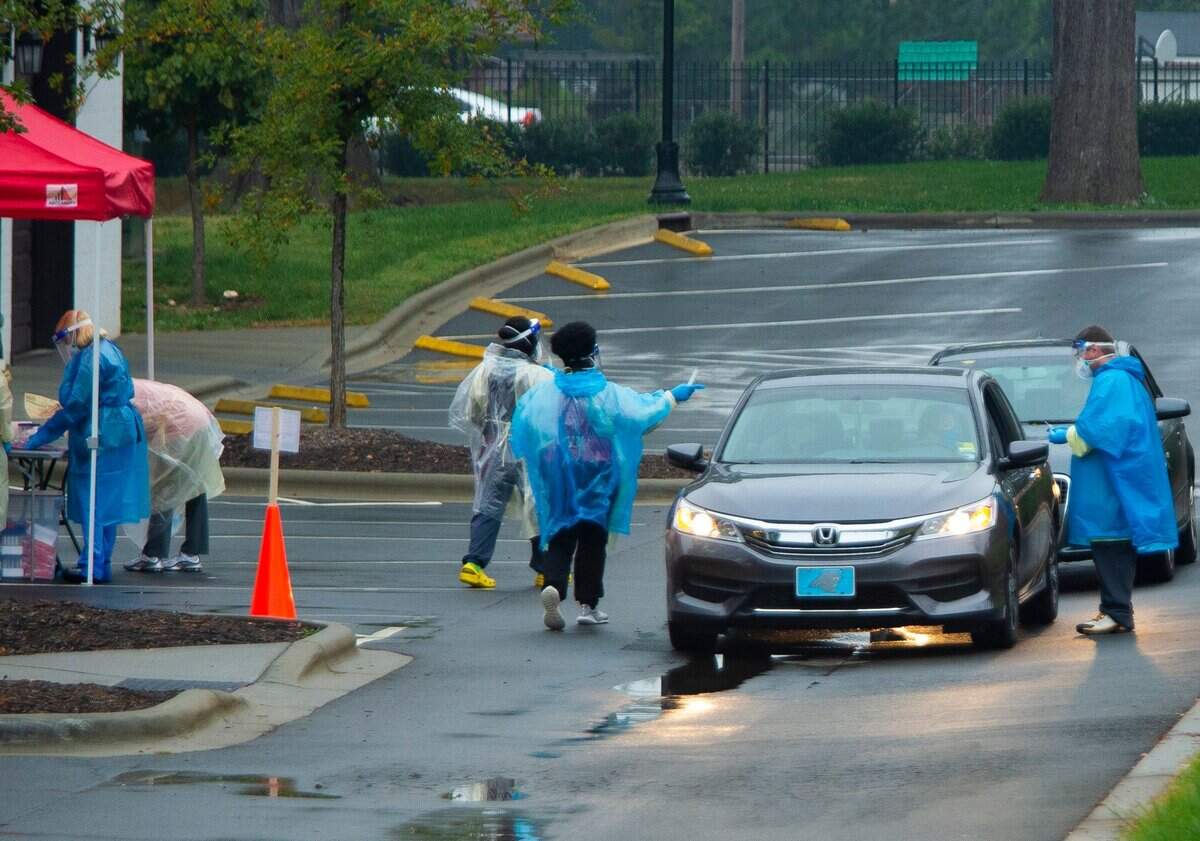
From the time they got involved, Marrino says he fully cooperated with health officials, and agreed to partner with them on Oct. 10 to offer free drive-thru testing at OMB for people worried they were potentially exposed during Mecktoberfest. Ultimately, five cases were traced back to the event, according to county officials, and he says he was relieved to learn that none of them became ill.
(County spokesperson Rebecca Carter confirmed that none of the five individuals required hospitalization. By comparison, the county reported Tuesday that 208 cases of COVID-19 and nine deaths have been linked to October events at the United House of Prayer on Beatties Ford Road. County Health Director Gibbie Harris says OMB was not issued a citation for Mecktoberfest, but didn’t provide further details.)
Meanwhile, Marrino had no interest in talking with the media. Reporters were leaving lots of messages and sending lots of emails; he responded to none of them. Then, in an open letter he posted on OMB’s website on Oct. 13, he laid out in detail OMB’s side of the story, taking responsibility for and expressing regret over what happened while also arguing that the incident was blown out of proportion.
“Our main concern,” he wrote, “is that this ‘snapshot’ of a three-day event that was virtually perfect at all other times, has distorted people’s perceptions of the overall event and our brewery.”
After the letter was shared on OMB’s Facebook page, a slew of customers added supportive comments. In fact, you won’t find any that take potshots — even though many were posted — because they’ve been deleted by OMB.
It’s a decision Marrino defends.
“At the end of the day, our social media account is our social media account,” he says. “We just said, ‘If you have a legitimate question, then we’ll answer it. If you’re gonna attack us on our site, we’ll take it down. ... If you want to go attack us on your own Facebook page, go ahead.’”
Plenty followed that advice. Twitter also was awash with comments from users about OMB, some derisive, others calling for greater accountability. On Instagram, someone created an account using the handle “canceloldemeckbrew” and posted photos and videos that purportedly showed people at this year’s Mecktoberfest, without masks and not social distancing.
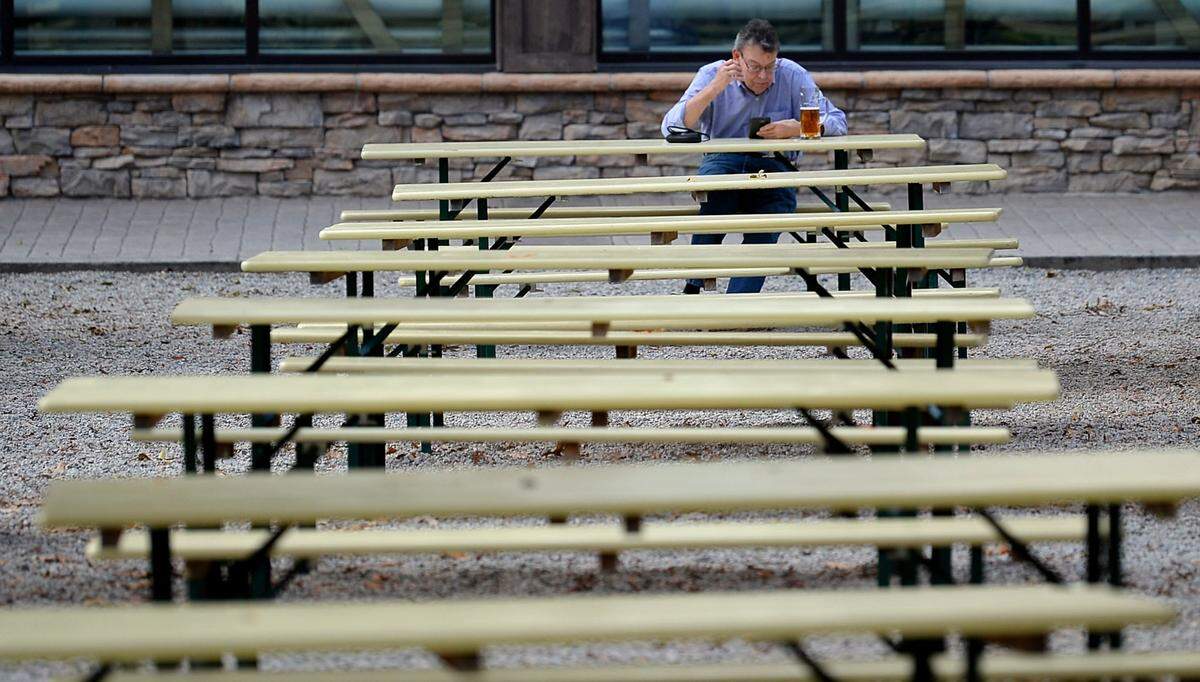
In any case, the damage was done. Marrino says that in the first couple of weeks after the original story broke, OMB’s business was down about 50%, and that it has been slow to come back.
And there’s been some emotional damage, too.
‘We’re not trying to harm people’
Asked to sum up his feelings about the backlash, Marrino clears his throat and his voice begins to crack as he says, “Well, it hurts.”
Then he stays silent for a full 18 seconds as his eyes well up with tears and he tries to compose himself.
“You know, you spend 13 years —” he starts, but his voice is shaking and he excuses himself to take a sip from a glass of ice water. “You spend 13 years building something for the community, and in one night —” he snaps his fingers.
“It hurts. Completely destroys everything you’ve created. So yeah, it’s frustrating. I — unfortunately I can’t go back and change it. So we’re gonna move forward.”
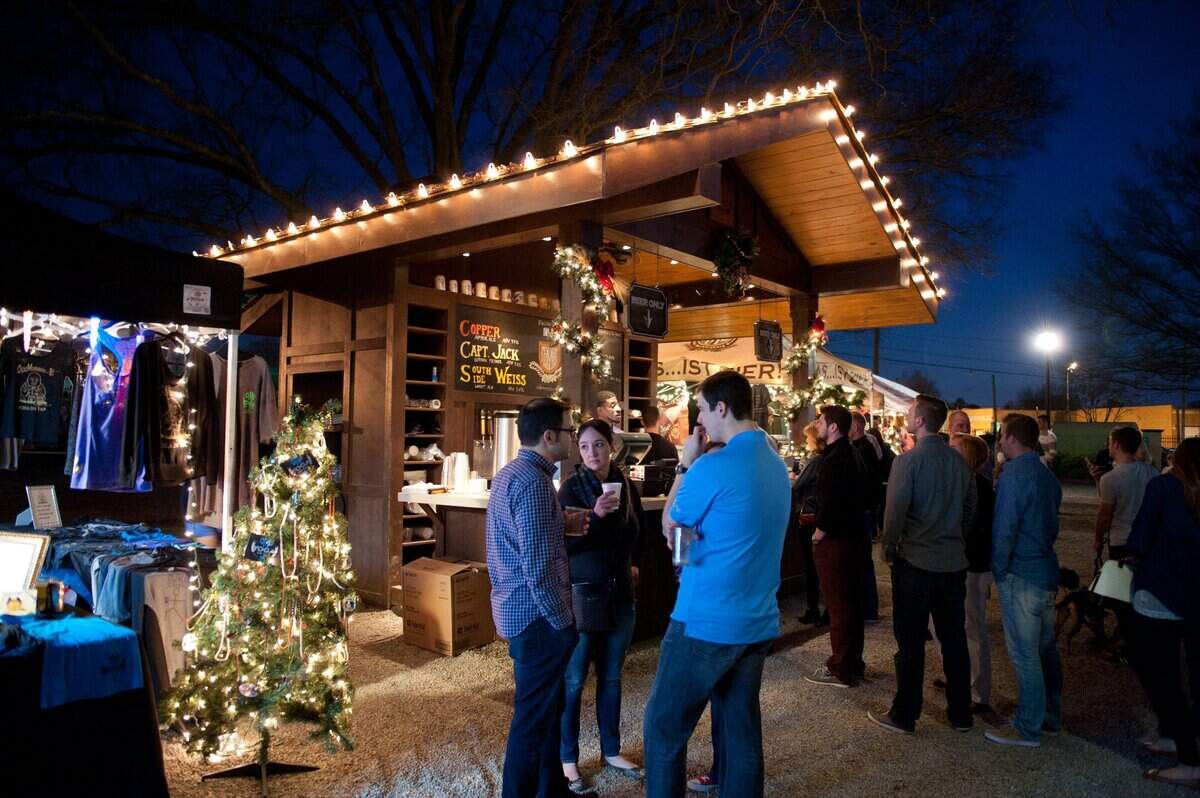
Day to day that means being inflexible on the masks-required policy and being proactive in making sure social distancing is being observed throughout the premises. For special events — like its upcoming annual Christmas Market, to be held every weekend between Thanksgiving and Christmas — the policies will remain the same but on top of that OMB will have staff at the gates that will be responsible for limiting crowd size.
(It’s worth noting that plans for the Christmas Market went up in the air Tuesday, following Cooper’s announcement that North Carolina will remain in Phase 3 as the state struggles to get a handle on the rise in COVID-19 cases. “We’ll have to evaluate it and make some decisions here soon,” says Marrino, adding that he is hoping to get Harris’ guidance on the event and OMB’s plans.)
In the case of that Saturday night at Mecktoberfest, Marrino says he takes full responsibility for what happened even though he wasn’t there — “for the fact that our management team didn’t have a clear directive going into the festival, and we collectively used poor judgment that evening.”
But he says “if something like this were to occur again in the future — which it will not — then I would certainly hold people accountable.”
As the conversation turns back to the fallout, Marrino wipes at a tear trailing down his cheek.
“We’re not trying to harm people,” he says. “We’re trying to help people. We’re trying to improve our community.”
What he means by that is this:
“The business was built to benefit the community, in many ways. We’re a manufacturing company. We take raw materials and add value to them to make beer here. We sell that beer in town. All that money that comes to us, most of it gets pumped right back into the local community, through our employees’ salaries and benefits.
“We deal with dozens of local vendors. All that money goes to them and goes into their families and gets recycled in the community. So, having local companies — local manufacturing companies like the breweries here in town — is great for the local community, in so many ways. And it’s a shame to have that tarnished because we screwed up.
“I regret it,” Marrino says, “and I hope over time, people forget about it. I mean, I don’t expect coronavirus to go away anytime soon, but once it does, I hope people remember the good things we’ve done, and not so much that one incident on a Saturday night.”
This story was originally published November 11, 2020 at 2:00 PM.