
‘Public transportation is a civil right.’ Charlotte leaders push for transit tax plan
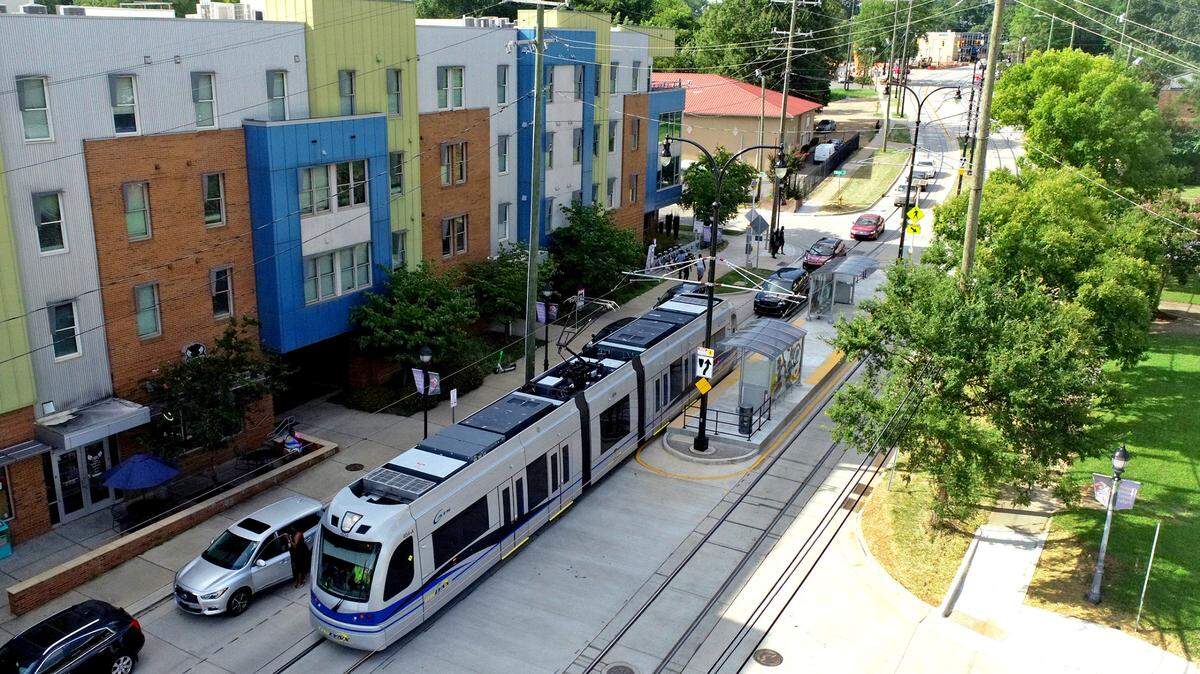
Charlotte Mayor Vi Lyles and transit activists called for investments in the city’s transit systems Friday morning, marking national Transit Equity Day.
Lyles pushed for a previously delayed plan to implement a 1-cent sales tax to fund mobility programs across the Charlotte region in a virtual press conference Friday.
The sales tax was recommended by the Charlotte Moves Task Force in December 2020, with plans to get the sales tax referendum on a 2021 ballot. That didn’t happen, and Lyles didn’t publicly outline a timeline on Friday to get that program rolling.
But an overhaul in public transportation is greatly needed, city leaders said, highlighting Transit Equity Day, which falls on Feb. 4 in honor of Rosa Parks’ birthday. Expanding access to public transportation is a matter of racial equity, activists said.
“In every region, in every city, people of color are more likely to travel by public transportation than anyone else,” community activist the Rev. Janet Garner-Mullins said. “…Public transportation is a civil right.”
And new Charlotte resident Brian Williams said he is a passionate advocate for public transportation, especially after moving to the area from New York City.
He lost his last job in Charlotte due to the coronavirus pandemic, but now relies on public transportation to get to his new job in a local mall, he told reporters — calling in to the Friday virtual news conference from his ride to work on the bus.
People in Charlotte spend “way more” than they should on transportation, Charlotte Mayor Pro Tem Julie Eiselt said.
The average cost of owning a car in North Carolina is $7,000 a year. And Charlotte residents spend an average of 22% of their income on transportation, compared to the national guideline that people should spend about 15% on transportation, Eiselt said.
“Owning a car can become a choice if we have a robust transportation system,” Eiselt said. “And that can lead to better quality of life for everybody.”
Sales tax referendum details
The sales tax referendum is part of a $13.5 billion program to expand mobility in Charlotte, with more frequent bus routes, extended greenways, improved sidewalks, a new, 29-mile east-to-west light rail line and the long-awaited 25-mile commuter rail line to north Mecklenburg.
The 1-cent sales tax hike, which would not apply to groceries or medications, could raise $6.6 billion over 30 years, the Charlotte MOVES Tax Force predicted.
The earliest the referendum could show up on a ballot is in November, chief advocacy and strategy officer at the Charlotte Regional Business Alliance Kelly O’Brien told the Observer last December.
But the referendum has to secure authorization from the state legislature before it can appear on the local ballot.
Lyles didn’t outline a clear timeline for that action on Friday.
“We’re at this point — we’ve reached a consensus on the need,” she said. “I think the real question is how to pay for it.”
.jpg)