It’s becoming a homebuyer’s market in the Charlotte area. But only if you can afford it
The Charlotte region’s residential real estate market may lean in favor of buyers now, but ultimately affordability is a hindrance.
Mortgage rates are slightly lower, inventory has marginally risen and price reductions have rocketed. But home sales are still down across the Charlotte area, according to the Canopy Realtor Association’s September housing market report.
Home sales across the 16-county region, which include single-family, condos and townhomes, declined by 7.3% year-over-year in September, according to the report. Compared to August, sales were down 13.4%.
In Charlotte, home sales decreased by 9%.
Part of the decline could be due to affordability issues, said Jackie Benson, a local economist with Wells Fargo.
“The affordability environment in the home market remains poor,” Benson said. “Mortgage rates have dipped a little bit… But in historical context and compared to the average mortgage rate in 2021, rates are still double now what they used to be. At the same time, we’ve seen home prices continue to rise and that’s especially true in the Charlotte market.”
Nationally, home prices are about 50% above pre-pandemic levels and in Charlotte, prices are about 66% higher, Benson said, using data from Realtor.com.
Canopy’s report echoes the numbers.
Compared to September 2023, average sale prices in the region sit at about $502,717, an increase of 7.1%, according to the report. Median sale prices are about $395,000, increasing by 3.9%.
In Charlotte, the median price rose by 0.2% to $410,000 and the average sales price rose by 5.1% to $569.581.
A dive into September’s housing numbers
The Federal Reserve cut the federal interest rate by half a percentage point in September, bringing the rate into a 4.75 % to 5% range. It’s the first cut the Fed has made since March 2020.
While the rate cut doesn’t directly impact mortgage rates, it can and has influenced them.
Interest rates in North Carolina, as of Tuesday, are about 6.69% for a 30-year fixed rate mortgage, according to Bankrate, a personal finance company. The rate has increased since September, which saw about 6.32%, but still lower than last year, which was in the 7% range, according to data from Freddie Mac.
Lower mortgage rates are bringing out buyers, according to Canopy’s report.
Pending contracts, which Canopy said represents buyer demand, rose last month by 14.4% compared to September 2023. Showing activity also increased, another representation of buyer interest.
Foot traffic rose by 13.5% compared to last year, the report read.
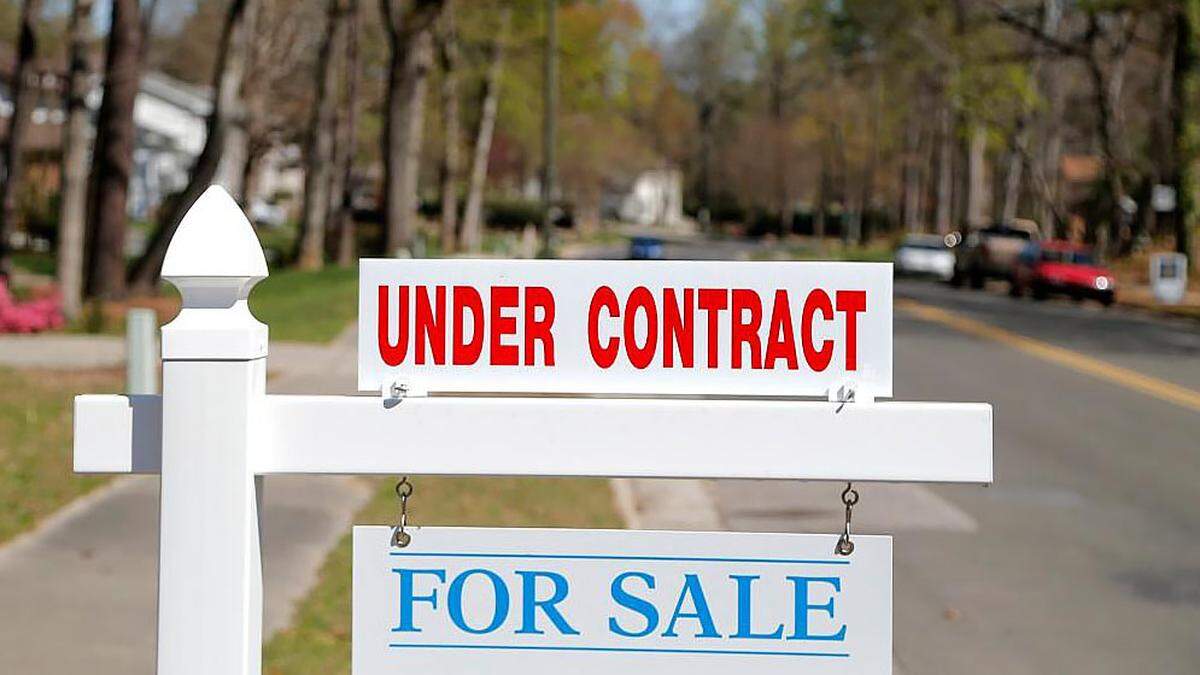
Home price reductions are up again. They increased in September by 31.6% compared to last year.
And inventory is up. There’s about 9,454 homes for sale in the region, up 42% compared to last September.
Supply versus demand
Supply is part of the market’s issues, Benson said, and it affects price and buyers.
“Demand is at a high, especially with the migration of people from more expensive cities seeking something more “affordable,” Benson said.
That’s called domestic migration. Between July 2021 and July 2022, people moving from states where housing is more expensive, including New York and California, helped make up 95% of North Carolina’s overall growth, according to the U.S. Census Bureau and the Office of State Budget and Management.
About 117 people moved to the Charlotte-Mecklenburg region every day between July 1, 2022, to July 1, 2023, a new study from the Charlotte Regional Business Alliance found.
That growth is increasing demand that supply can’t meet, making housing more expensive, Benson said.
But all is not lost. Sort of.
Homebuilders are moving fast, Benson said. And with lowered Fed rates, financing costs could also decrease, making it easier for builders to take out loans.
However, Fed rates won’t drop to pre-pandemic levels for some time, Benson said. Rates are expected to be in the mid- to high 5% range by the end of 2026, Benson said.
And the U.S. is chronically under-supplied when it comes to housing, she added.
Overall, Benson said buying a house truly depends on a person’s finances but if you can afford it, go for it.
“The market is going to remain challenging for home buyers. If I was giving advice, I would say that if you are financially able to, purchase a home,” Benson said.
“You can always refinance your mortgage rate down the line,” she said. “I do think housing or homeownership specifically remains a critical source of wealth building, but that doesn’t change the fact that affordability conditions are very tough for home buyers right now.”
This story was originally published October 23, 2024 at 5:44 AM.