Corporate landlords keep gobbling up Charlotte homes. Now the feds want to hear from you
Have an opinion about the corporate landlords who own thousands of single-family homes in the Charlotte area and all across the country? Well, the federal government want to hear it.
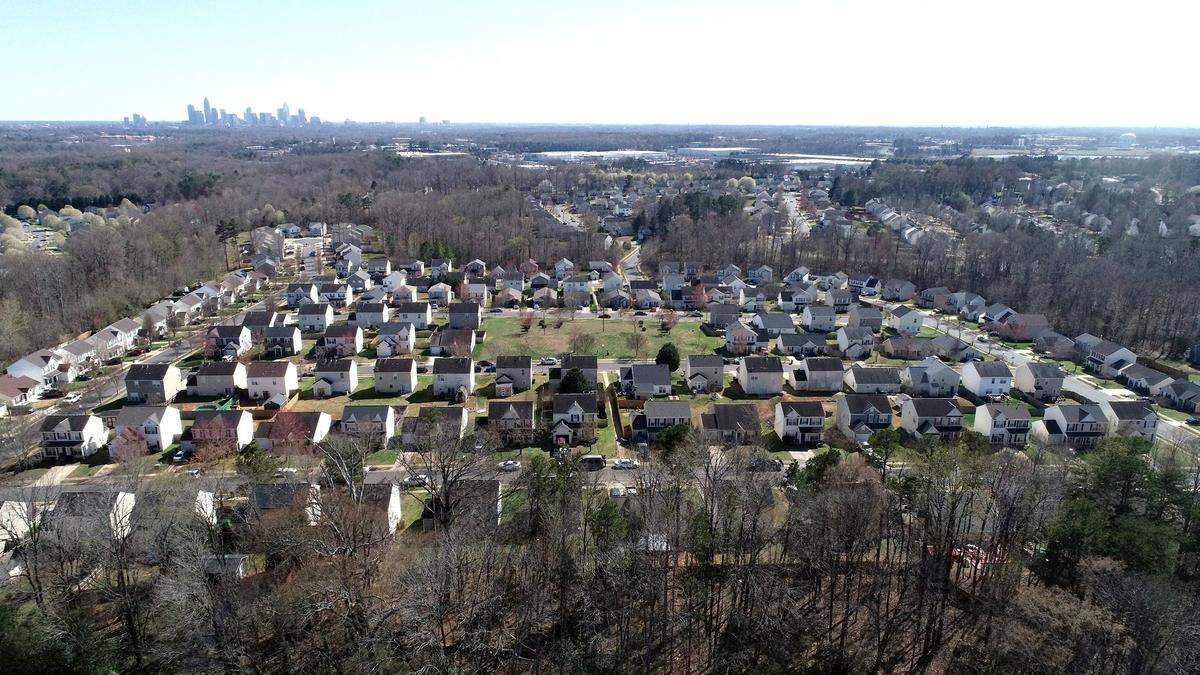
Corporate landlords own over 25,000 single-family homes in the Charlotte area, according to Action NC, a nonprofit focused on equity.
The Federal Trade Commission is requesting public comment on the topic of “mega single-family rental” operators, the agency announced Wednesday. Those comments would be used to steer a possible FTC study on the mega investors and how those entities affect home prices and rents in the single-family rental market.
A mega investor is considered an organization that owns more than 1,000 single-family rental homes.
“As Americans face a housing shortage and pay soaring rents, it’s vital to understand the role played by large institutional investors,” said FTC Chair Lina Khan in a news release. “This proposed study would shed much-needed light on the mega-investors that have amassed huge portfolios of single-family rental units and potentially contributed to the housing challenges that Americans face.”
An increase in corporate landlords
Prior to the Great Recession in 2008, the single-family renters market was operated by individuals and small businesses, according to the FTC. But following the financial crisis, single-family homes were swept up by large entities.
Now, mega investors own and operate about 446,000 single-family properties across the U.S., according to a rnews elease from the agency. The agency says there are about 32 of these mega investors, including Invitation Homes, Starwood Property Trust, Colony American Homes, Waypoint Residential Trust, and American Homes 4 Rent.
Many of those homes are in North Carolina.
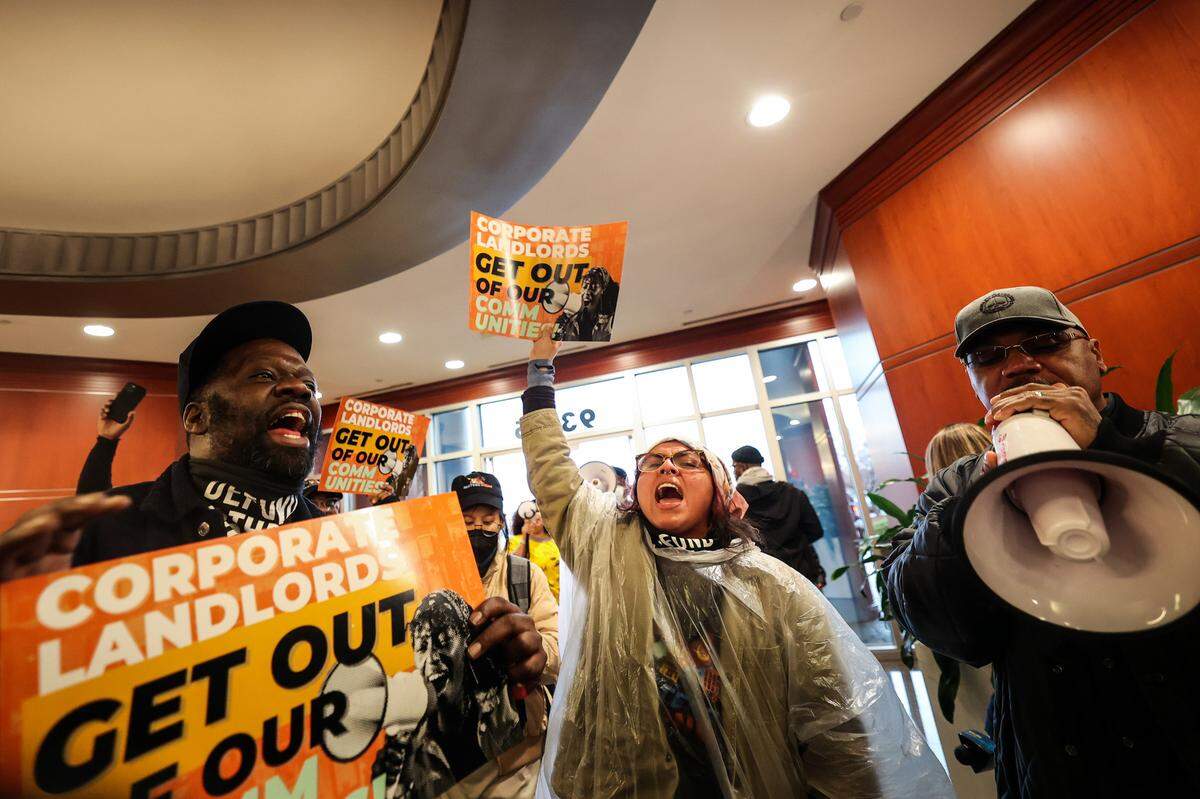
Corporate landlords own about one-quarter of all rental homes in Mecklenburg County and tens of thousands of single-family houses across the state, The Charlotte Observer and News & Observer found in the 2022 investigation Security for Sale.
About 20 corporate landlords own over 25,000 single-family homes in the Charlotte area, according to Action NC.
The increase in corporate landlords owning single-family homes is hurting homeownership rates and impacts costs both for renters and those seeking to buy a home, according to the FTC.
Increases in concern over corporate landlords
More and more local governments are looking into the the effects corporate landlords are having on the housing market.
In September, the FTC sued Invitation Homes for allegedly swindling renters with undisclosed fees, withholding security deposits and practicing unfair eviction proceedings, even during the pandemic. Invitation agreed to settle the lawsuit for $48 million.
Invitation Homes owns 5,550 homes in the Carolinas and in 2023, the corporation owned about 1,900 properties in Charlotte alone, The Charlotte Observer and News & Observer reported.
North Carolina Attorney General Jeff Jackson filed a lawsuit alongside the U.S. Department of Justice and other attorneys general alleging that six corporate landlords were working with a software company to illegally raise rents.
The landlords are Greystar Real Estate Partners LLC, Blackstone’s LivCor LLC, Camden Property Trust, Cushman & Wakefield Inc and Pinnacle Property Management Services LLC, Willow Bridge Property Company LLC, and Cortland Management LLC. In North Carolina. Together they own 70,000 units throughout the state.
The proposed FTC study
With local and state governments voicing their concerns, the FTC is proposing a study looking at mega investors.
It begins with public comment, which starts on Jan. 24
The agency said the public has 60 days, until March 25, to submit comments at Regulations.gov. Comment submission and more information can also be found at FederalRegister.gov. The agency will then review the comments and decide how to proceed.
The study will look into where the corporations do their business, what their business models are, their strategic and growth plans, and the competitive effects of the rise of mega investors in local markets.
The FTC will also send information requests to the investors. The agency is looking for information on their corporate structure, current and historical housing inventory, along with business plans.
Once completed, the FTC plans to publish a list of properties owned by the entities, which the agency said will improve transparency.
Clarification: This story has been updated to indicate the date public comments open is Jan. 24.
This story was originally published January 16, 2025 at 2:24 PM.