Trump administration slashes Charlotte region arts funding. What happens now?
Three Bone Theatre was having a celebratory evening on May 2.
It was opening night for the group’s third show of the season. And the Charlotte theater company was presented with the 2024 George A. Parides Professional Theatre Award from the North Carolina Theater Conference.
Then, the group got an email it knew might be coming but was hoping it would never see — the remainder of its $20,000 National Endowment for the Arts grant was being revoked. Similar announcements went to organizations across the country on the same day President Donald Trump said he wanted to eliminate the agency.
At least three other organizations in Charlotte also got the bad news: Charlotte Ballet, the McColl Center and JazzArts Charlotte. Collectively, those groups lost nearly $100,000, a hole that will be hard to fill.
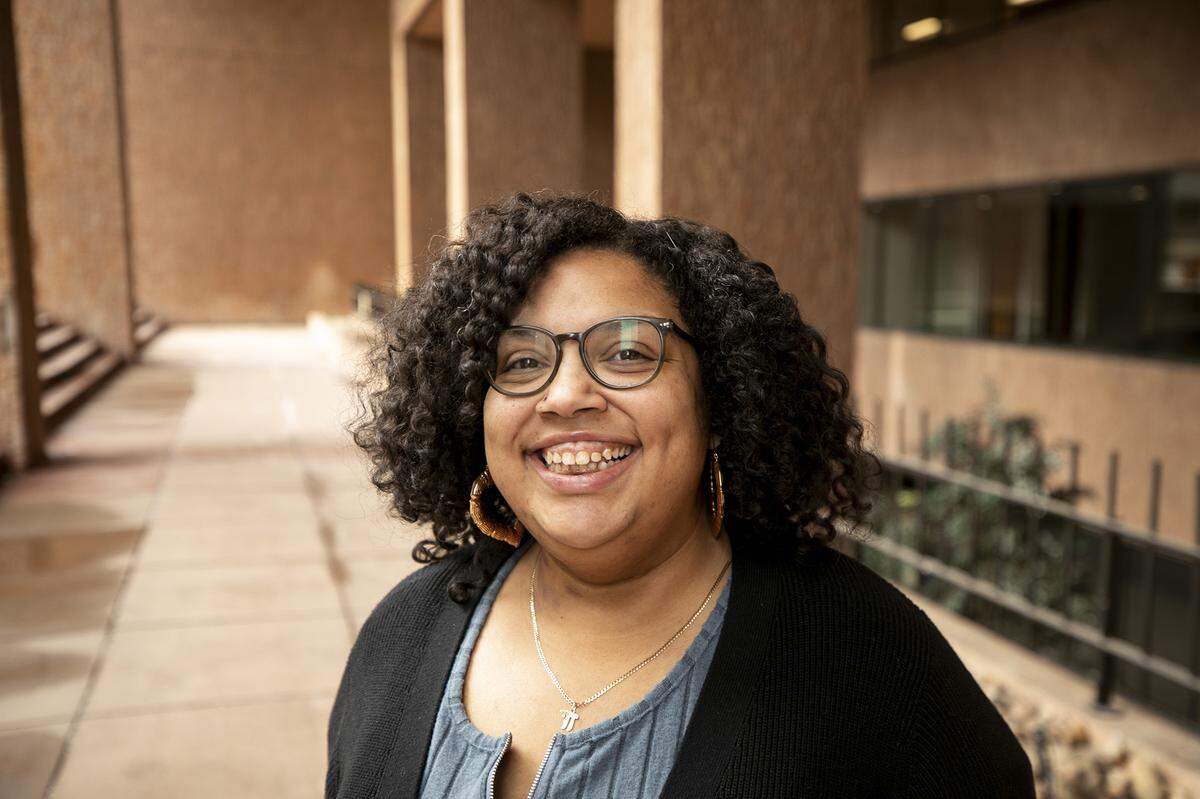
“This is unprecedented, and I know everyone is tired of that word but it is,” said Robin Tynes-Miller, Three Bone’s artistic and operations director. “It just makes everything harder, which is such a shame because the arts are such a key aspect of what it means to be human… It was just really heartbreaking.”
That heartbreak reverberated across the Charlotte region as arts and culture groups recoiled at the cuts and what might come next.
There’s big money at stake.
In North Carolina, nearly $500,000 was rescinded from organizations throughout the state, according to Arts North Carolina, a statewide arts advocacy organization. At least $300,000 was rescinded from S.C. organizations, according to the South Carolina Arts Alliance arts advocacy group.
Since the 1998 fiscal year, the NEA provided 1,407 grants in the Carolinas worth nearly $84 million to more than 370 organizations, a Charlotte Observer analysis of federal data found. The Charlotte region, from Rock Hill to Hickory, has long benefited from NEA support of arts and cultural projects.
Local groups on both sides of the border received 207 grants totaling a little over $5 million since 1998, the Observer analysis found. Individual grants ranged in size from $2,450 for Winthrop University to $150,000 for the Mint Museum as part of COVID aid to help it survive the pandemic.
But despite the impact or threat to their budgets, the arts groups appear steadfast that the music, the dancing, the writing and the art won’t stop.
“I often think about the impact we have had on the community and its fuel to always push forward,” said Lonnie Davis, president and founder of JazzArts Charlotte. She learned the organization’s two NEA grants totaling $30,000 were rescinded while she was out of the country.
“Yes, this is unfortunate. Yes, this is tragic. Yes, this only adds to the difficulty the arts are facing right now in the way of funding,” Davis said. “But it’s not going to stop us from at least trying to continue our work. Because our community deserves that.”
About the NEA grant process
The NEA is the largest funder of arts programming in the U.S., awarding over $117 million annually spread through more than 2,300 grants and agreements, according to the agency.
In the last five years, it has given over $19 million to programs in North Carolina to local organizations or state and regional partners, like Arts NC. South Carolina has received over $9.4 million.
These grants are not easy to get.
“It’s the hardest grant application out there,” said Eric Mullis, co-director of Goodyear Arts in Charlotte. “It takes hours and hours. If you don’t get it, it’s really frustrating because you could’ve spent that time otherwise.”
Mullis has been an adjudicator for NEA grant applications for two years, and was asked to do it again about a week before news broke about the federal cuts. The Camp North End arts group has an artist residency program for Charlotte artists and previously received three NEA grants totaling $128,000. It’s also been denied grants.
Tynes-Miller and Davis agreed that the grants were hard to come by. The funds they received were the first time the NEA approved their applications.
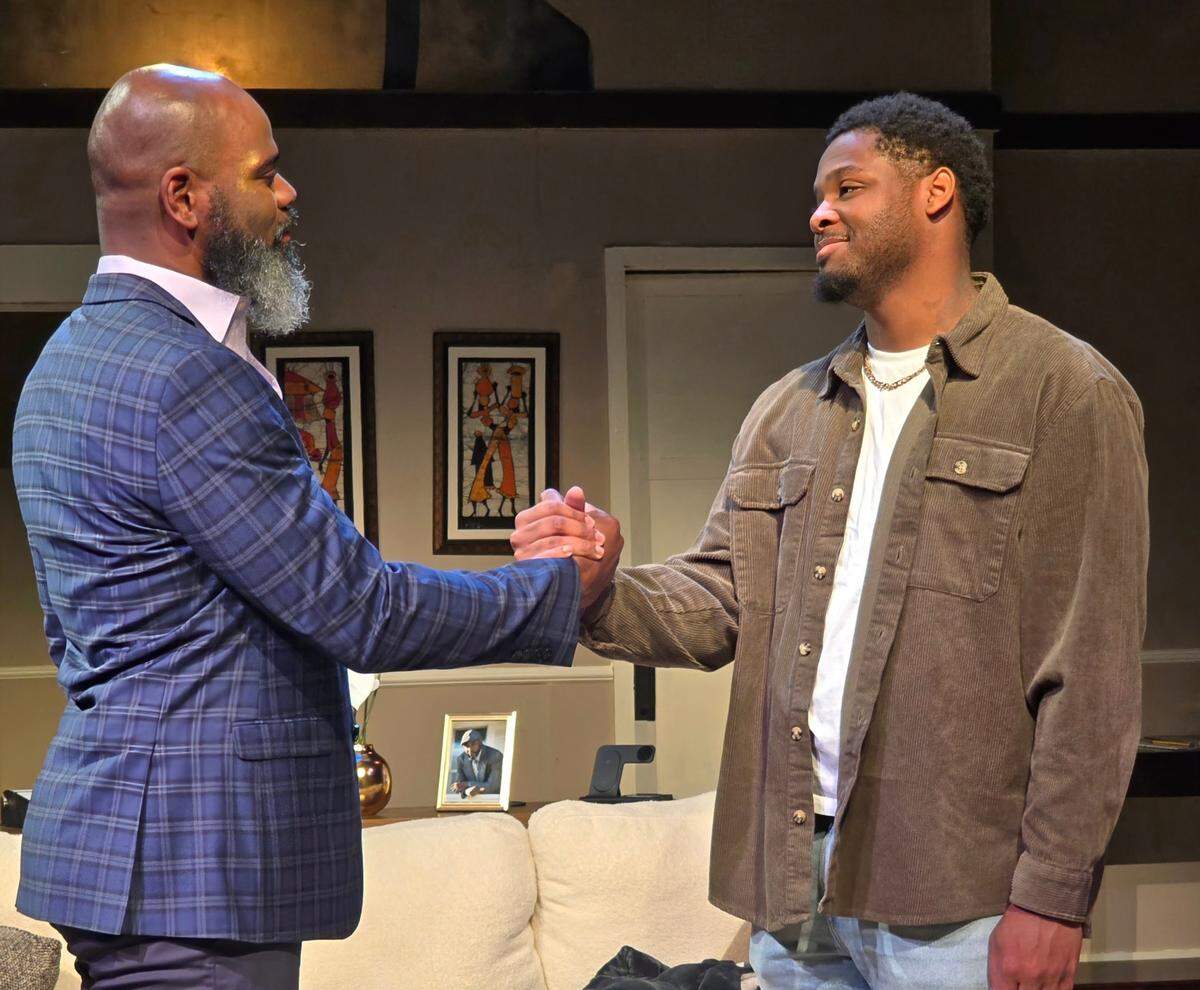
Three Bone’s grant was to support its productions of three plays within “The Greek Trilogy” written by Luis Alfaro, a modern retellings of classic tragedies from a Chicano and Latino perspective. The company is the first theater to commit to performing all three stories, Tynes-Miller said.
A portion of Three Bone’s grant was spent last year on the production of the first play, “Mojada: A Medea in Los Angeles.” Tynes-Miller insists that the other two shows will be produced.
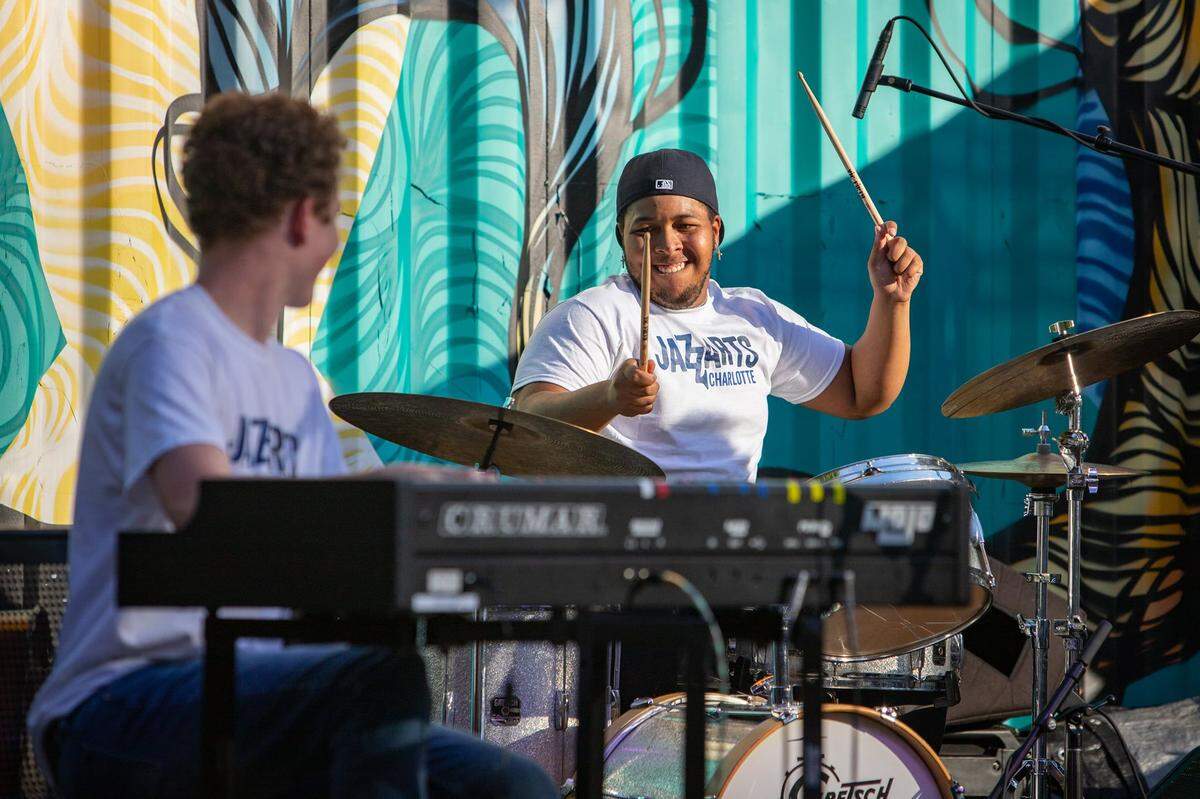
JazzArts lost two grants. One was for $20,000 to expand its monthly JAZZ Room concert series. The other was a $10,000 to support its jazz education programs for youths and training for school band directors.
“This is a grant and a relationship that JazzArts Charlotte has been trying to develop since our inception” nearly 16 years ago, Davis said. “It does signify that you are worthy of federal support and federal recognition as an arts organization.”
It’s a relationship the Charlotte Ballet and the McColl Center have cultivated as well. The ballet has received about $342,000 from the NEA throughout the years, while the center’s received around $565,000. But neither group was exempt from this round of cuts.
Charlotte Ballet’s $15,000 grant was going to provide free dance training to students in Mecklenburg County, according to executive director Doug Singleton. The McColl Center’s $40,000 grant was going toward its summer artist residency program for artists who are parents, caregivers or educators.
All of the organizations intend to appeal the decision. But for now, they have to seek other funding sources.
“It’s forcing groups to cancel projects before they happen, some even midstream,” said Randy Cohen, vice president of research at Americans for the Arts, a national arts advocacy group. “These arts organizations typically operate pretty close to the margins… What is going to hit everybody is where you were expecting revenue there will not be that revenue.”
NEA impact on the arts — and the economy
Eliminating the NEA is a move being pushed by Trump for a second time as he looks to cut government spending.
“It’s a cut that’s based on a political ideology, but it’s not in this case the economic reality,” Mullis said. “It’s not just arts and culture. It’s literally an economic investment.”
The NEA received $207 million in funding last year and according to an agency fact sheet, it accounts for about 0.003% of the federal budget. It returns far more to the economy.
Nationwide, the arts economy has a $36.8 billion trade surplus and has created 5.4 million jobs, according to Nate McGaha, executive director of Arts North Carolina.
“We’ve got to be relentless messengers of the value that the arts bring to a community,” Cohen said. “It puts those organizations’ suitability at risk... And these are local businesses.”
At the state level, arts and cultural productions added 3.2% or $25.1 billion to North Carolina’s economy, according to a 2023 report from the NEA and the U.S. Bureau of Economic Analysis. The sector also employed over 167,000 people who, in wages and benefits, earned $12.6 billion.
On the South Carolina side, the sector brought in $9.4 billion and employed close to 68,000 people who earned $4.6 billion.
Then there’s local data.
According to the 2022 Arts & Economic Prosperity report from Americans for the Arts, Mecklenburg County arts groups generated $453.8 million in money spent by organizations and their audiences. About 6,800 people were employed by the groups that earned $328 million.
York County groups brought in $40 million in annual economic impact, supporting more than 660 jobs.
That revenue could increase dramatically in coming years. Organizers in Rock Hill look to break ground next year on Marlie Center, a $35 million downtown performing arts center. It’s intended to rival some of the larger arts venues in South Carolina, and offer an alternative for Rock Hill region arts supporters who travel to Charlotte for large shows.
The shows must go on
Money talks, but so does social impact.
Nonprofit art and culture groups in Mecklenburg County were visited by 5.4 million people. Excluding admission costs, they spent an average of $43.36 per event on things such as food, hotels and parking, according to the prosperity study.
“Cutting the arts is cutting out a massive section of the economy, and that’s going to have ripple effects,” McGaha said. “There’s the hardware stores that aren’t getting business because sets aren’t built. All the restaurants around museums that aren’t getting patrons… Our economy is meshed together and there’s no part of it that is not necessary.”
About 72% of Americans said they believe the arts provide “shared experiences” with people from all walks of life. And 60% said the arts have helped them cope with life, according to the prosperity study.
“There’s so much value in sitting in a room with strangers, breathing the same air and witnessing a story together,” Tynes-Miller said. “That community connection and humanizing one another is really what we need so much of today.”
That’s why the local organizations impacted by the NEA cuts aren’t going to stop.
Tynes-Miller said Three Bone will produce the second play of the trilogy, “Electricidad.” It was originally set to run in August, and may still do so, but the theater will update visitors when they have a set date.
Charlotte Ballet’s programming will also continue: “(We are) dedicated to providing all communities access to arts-based opportunities that nurture meaningful connections and create spaces of belonging,” said Singleton, the executive director.
McColl Center’s marketing director Makeia Carrier said the group is beginning to search for other funding sources. So is JazzArts.
“Worst-case scenario is that this hole is not filled,” Davis said. “We were founded during the 2008 recession, so we started in an uncertain environment. But luckily, we have been able to gain the support and trust of our community… Now more than ever, we need their support.”
The community is listening. Last Tuesday, after Three Bone posted a statement about its grant cut, Tynes-Miller said the theater received close to $1,000 in donations.
Other arts organizations are voicing their solidarity.
Charlotte Is Creative co-founder Tim Miner said the arts networking group’s $75,000 grant hasn’t been impacted yet — but his concern for his organization and others have only increased.
“It’s distressing. Not just for us but the whole sector because that funding is critical,” Miner said. “It allows organizations to feel stable and be able to take the creative risks they need in order to grow.”
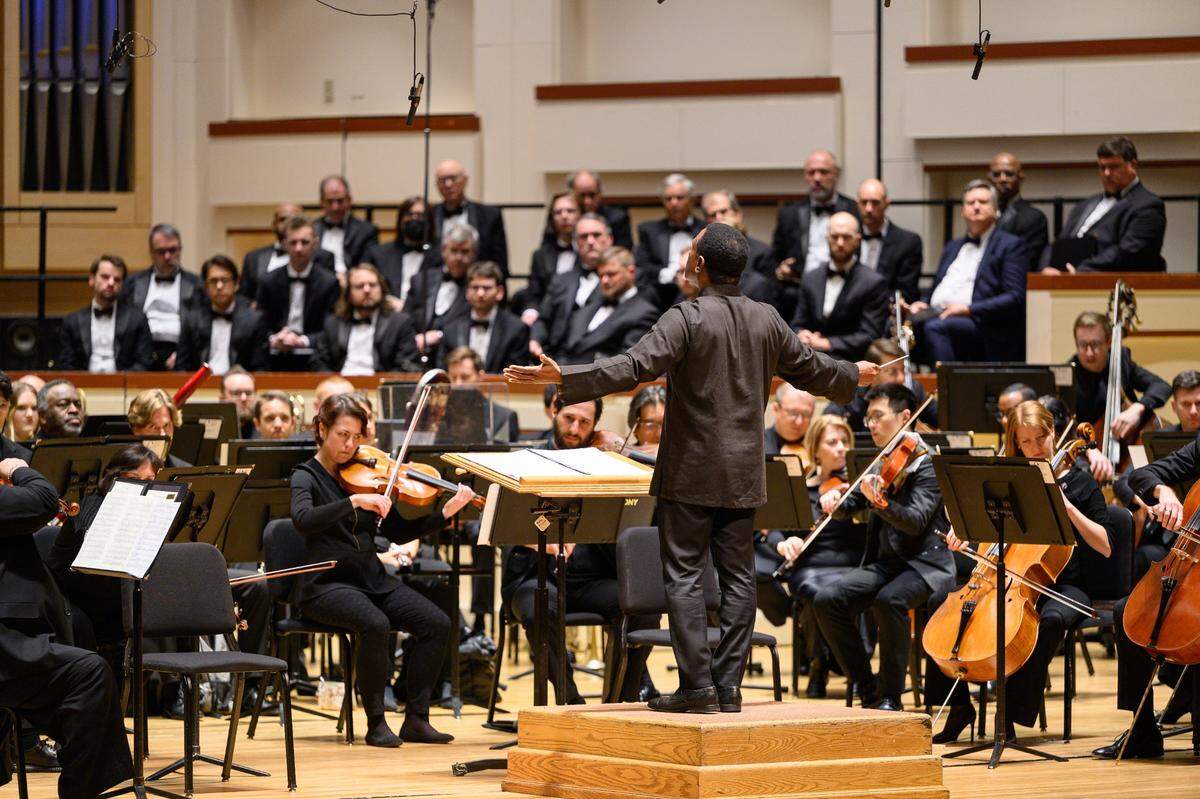
The Charlotte Symphony shared the same sentiment. While the orchestra is not currently a recipient of NEA money, President and CEO David Fisk is still deeply concerned about the cuts. (The Charlotte Symphony Orchestra Society has received 11 grants totaling $262,500 in previous years.)
“The long-term impact of these cuts remains to be seen, but their potential to undermine cultural infrastructure across the country is significant,” Fisk said in a statement. “We stand in strong support of the NEA and the vital role it plays in ensuring the arts remain accessible to all.”
How to help out the arts
All of the local arts organizations accept donations and links can be found on their websites.
Arts NC has launched an “NC Needs the NEA” campaign, where folks can sign up and reach out to their congressional representatives and advocate for the NEA funds. Americans for the Arts also offers phone scripts and email templates to send to lawmakers.
And of course, see what these art groups have to offer and attend an event.
“We are such a culture now where we’re so comfortable staying inside, watching Netflix, which, no shade, I love doing that too,” Tynes-Miller said. “But this is Netflix on stage, so come on out, see a show, relax, have a glass of wine and support local theater.”
Observer arts editor Adam Bell contributed to this report.
NC Reality Check reflects the Charlotte Observer’s commitment to holding those in power to account, shining a light on public issues that affect our local readers and illuminating the stories that set the Charlotte area and North Carolina apart. Have a suggestion for a future story? Email realitycheck@charlotteobserver.com
More arts coverage
Want to see more stories like this? Sign up here for our free, award-winning “Inside Charlotte Arts” newsletter: charlotteobserver.com/newsletters. And you can join our Facebook group, “Inside Charlotte Arts,” by going here: facebook.com/groups/insidecharlottearts.
This story was originally published May 13, 2025 at 5:50 AM.