Huntersville farm operations sold to Ark. company after 162 years of family control
Wallace Farm, the Huntersville institution that has been worked by seven generations of a single family since 1863 in the midst of the Civil War, was sold this month to an out-of-state company.
The Wallace Farm business operations and its brand was sold for an undisclosed price to Denali, a Russellville Arkansas-based organic recycling company, according to farm president Eric Wallace. Denali will take over the operations of the farm’s two facilities — the 75-acre facility in Huntersville and a 162-acre site in Advance, near Greensboro and Winston-Salem.
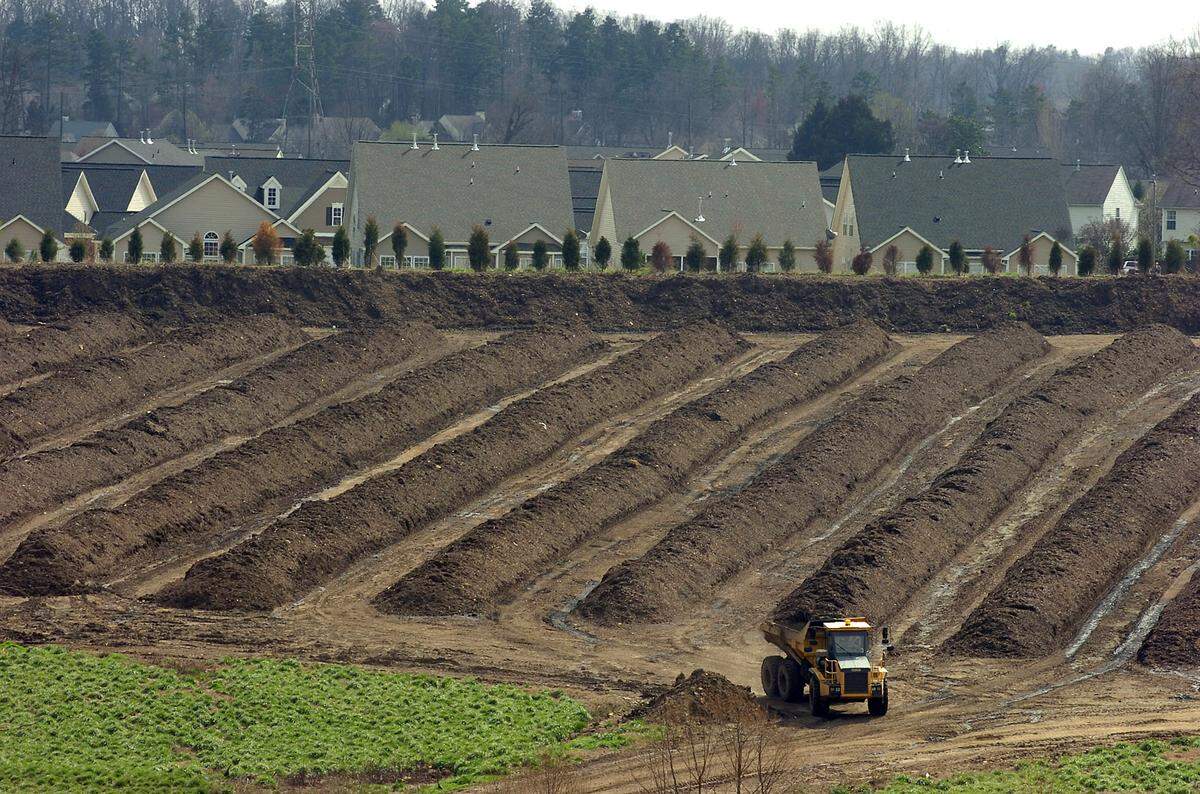
The farm operates as a composting, soil and mulch company. The family will still own the land, Wallace said, and participate in managing the operations but on a smaller scale.
The move to sell the business was prompted by the Wallace family’s desire to continue providing greener resources for food and yard waste on a bigger scale.
“As a family, we had pretty much grown as large as we could grow,” Wallace said. “The demand and the desire to keep food waste out of landfills is at an all-time high, which is exciting...
By being part of a larger organization, it gives the business the opportunity to continue to grow in a much needed area.”
While the business won’t grow in size, Wallace said, Denali will be able to provide more efficient technology for its operations.
What’s next for Wallace Farm
Nothing will change operationally at the farm, Wallace said, just the name on the masthead. Denali leaders said the same, noting that Wallace Farms is a “well-run organization.”
All of the employees will remain and the transition will take place on a day-by-day basis, Wallace said.
“It’s really business as usual,” Wallace said. “There will be some rebranding, which will take place over time. There’s no time constraints set on that. It’s just a natural transition.”
Denali echoed that sentiment.
“Going forward, we hope to expand upon the solid foundation the Wallace’s set,” McNeill said, “by providing excellent customer service, producing high-quality products and positively impacting the state’s sustainability efforts by promoting organics recycling.”
About Denali
Headquartered about 75 miles north of Little Rock, Denali calls itself the largest organic recycling company in the U.S.
With the purchase of the business, Denali will operate 26 composting sites in the U.S. The move also expands its compost footprint in the Southeast.
“We’ve been looking at the Carolinas for a while given the exciting growth in the region. We saw a tremendous opportunity to expand our organic recycling services further and help support the region’s growth, as well as our own,” said Mason McNeill, Denali’s executive vice president of environmental and business development, in an email to The Charlotte Observer.
About Wallace Farm’s history
The farm’s website detailed its extensive history. Wallace family members began growing crops and raising livestock during Abraham Lincoln’s first term in office.
It began dairy work in 1945, and soon after, added a poultry operation. Composting began in the 1960s alongside the existing crop, dairy and poultry operations.
Wallace opened its Advance facility in 2015 amid a few concerns regarding the farm’s smells, the Winston-Salem Journal reported.
While the smells may not be welcome, the facility is a need, Wallace said.
“Although it may seem that we don’t quite fit now since the area has changed so much since we were established, we need to be here more now than ever,” Wallace said. “The reason the demand for what we do has increased so significantly is because it has become more urban. The yard waste we receive, the compost, a lot of it comes from the residents around us.”
As for the Huntersville location, neighbors on Nextdoor were relieved that it wasn’t purchased for development.
“Yay! Not selling to make more condos is a win win,” one person wrote. Another agreed, saying, “At least they aren’t developers!!!”
Both Wallace facilities take drop offs from residents and purchases of mulch and soil can also be made on site. As Wallace said, not much will change but he’s excited for the next chapter.
“There’s a lot that still needs to be done with recycling, diverting materials from the landfill,” Wallace said. “I think it’s important that we continue to do things like we have always done. Do a good job and be good neighbors... and grow a greener environment.”
Correction: This story and headline were updated to note that Denali purchased the Wallace Farm operation, not the property. The Wallace family will maintain control of the land.
This story was originally published May 27, 2025 at 5:30 AM.