Why these Charlotte patients and doctors turned to concierge medicine
AI-generated summary reviewed by our newsroom.
- Charlotte patients embrace concierge medicine amid primary care shortages.
- Concierge doctors offer longer visits, direct access and deeper relationships.
- Annual fees offset ER costs, but critics raise equity and access concerns.
As a busy business consultant in Charlotte, Michael Butterworth loves skipping the middleman when it comes to his healthcare.
So he signed up for concierge medicine, which involves annual fees for direct access by phone to a doctor, and guaranteed short wait times for services such as physical exams. If Butterworth gets sick, he has 24/7 access to a physician, whom he can see on the same day or next day if needed.
Both of the Charlotte region’s main hospital systems, Atrium Health and Novant Health, also offer the service.
“What the concierge service means to me is that I can call or text and get a response,” said Butterworth, a Philadelphia native and patient at Signature Healthcare in Charlotte. “I can call (the doctor), and he’ll give me a call right back.”
Concierge service in Charlotte isn’t free, however. It’s a growing healthcare model where patients pay a fee upfront, quarterly, or monthly instead of getting a per-visit bill. This cost is about $3,000 or more, depending on age.
The fee pays for checkups and comes with services such as a nutrition and exercise consultant. Signature Healthcare also offers massage therapy to treat medical conditions and access to a mental health therapist. Additional costs may include other health screenings, such as CT scans or lab needs, which are billed to the patient’s insurance.
Critics charge that concierge medicine creates a two-tiered system of healthcare.
For instance, the Journal of Family Medicine and Primary Care detailed concerns about how concierge care can limit access for low-income patients because of the costs, according to an article published last year. There are also fears that doctors in these practices may focus too much on keeping paying patients happy, rather than providing the best disease management or medical care, researchers said.
Still, the American Medical Association does not endorse or oppose specific healthcare models, including concierge medicine, the AMA told The Charlotte Observer in an email. The AMA said it supports a pluralistic approach to healthcare, believing that multiple practice models should coexist.
Another criticism is that insurance is still required for concierge medicine and that its usage is limited in some practices, according to PartnerMD, a concierge medical service. In a May post online, the organization informed readers about the pros and cons of the service. Another con was having fewer options in rural or suburban regions.
But for patients like Butterworth, the payoff is spending more time with a doctor. When he goes to the office for physicals, Butterworth spends an hour with the doctor, and it feels like he’s not being rushed out.
“I think I’m fortunate that I can afford it and enable better health,” Butterworth said. “With traditional practices, you get like five to 10 minutes of a doctor’s time. But you’re usually in the waiting room for a long time.”

Hospitals turn to concierge medicine, too
Charlotte’s two largest hospital systems, Atrium Health and Novant Health, also offer concierge medicine services. At Novant, the upfront cost is almost $3,000 for 24/7 access to a provider through two clinics in the region, Hallmark Care and Traditions Concierge Medicine in Charlotte.
One of the benefits of this model is that annual visits are not billed to the insurance company and are instead covered by concierge medicine fees, according to Becky Bean, Novant Health’s senior vice president of Integrated Care Solutions. This typically allows for more preventative screenings, such as hearing tests, grip strength and advanced cardiovascular testing.
“At its core, the model is really about helping people live their best and healthiest lives,” Bean said. “And my hope is that it creates a blueprint that allows us to scale this out much more broadly — a blueprint that’s convenient in nature, personalized in nature and certainly creates more accessibility to care.”

Time is also essential for forming bonds between patients and doctors, Bean said.
“By having that trusted relationship, that’s really where the magic happens, and people are more and more engaged in their own health and wellness journeys than ever before,” she said.
Atrium Health offers five concierge care locations in Charlotte and Cornelius with enhanced services for a membership fee, including longer appointments and 24/7 access to a provider. All other costs for visits and tests remain the same as in traditional primary care.
Some concierge locations also provide a wellness center with additional cash-based services like fitness and nutrition coaching.
“Concierge care is one example of how we are responding to consumer demand for services that meet a wide range of needs,” Atrium said in a statement to The Charlotte Observer.
Atrium is also trying to bridge the gap between traditional and concierge healthcare with a new location in Fort Mill, South Carolina, which opened Aug. 11. Atrium Health Primary Care Gold Hill offers quick access to a care team and other benefits for a lower fee than the full concierge model, according to the company.
Atrium did not disclose the fees for any of its concierge services.
A different way to serve patients
Dr. Jane Harrell of Charlotte-based H3 Healthcare used to see 25 to 30 patients a day before switching to concierge medicine. Now, she sees around 10 people.
“It avoids burnout, and it’s a little bit more balanced,” she said.
Before practicing concierge medicine, Harrell felt disconnected from her patients and couldn’t provide personalized, in-depth care. This model allows doctors to see fewer patients per day and spend more time discussing issues, lifestyles and treatment options beyond prescriptions.
“It’s just finding time to treat people, and I think a lot of big hospitals lost track of that a little bit,” Harrell said. “Seeing eight patients a day is a lot different than seeing 25.”
Office visits are usually between 30 and 60 minutes, and physicals take about two hours. Harrell talks about diet, sleep, exercise and mental health to find the causes of problems.
“It’s not just, ‘Hey, I’m not sleeping,’ so here’s a prescription,” Harrell said. “But it’s getting to the root of why you’re not sleeping, and here’s option A, B, C and D.”
Concierge services may sound like they’re only for wealthy patients, but H3 Healthcare’s patient base is diverse and includes people like teachers and truck drivers, Harrell said. For those with major health issues, an annual fee can be a good investment to avoid high emergency room or urgent care bills, she added.
“A lot of times it’s someone who’s experienced the ER a couple of times and recognizes they get huge bills,” Harrell said. “It’s easier to have a primary (doctor) that they know they can get in to (see), especially people that have medical problems — they need somebody to be their quarterback.”
One example she gave is not directing a patient with abdominal pain from a kidney stone to the ER. “The answer here is come on over,” Harrell said, where she can provide IV fluids, additional medicine or further care with a urologist within the next day or so.
A growing need for care
The Charlotte region has a high demand for concierge medicine, according to Harrell and other doctors in the area that provide those services.
For instance, H3 Healthcare serves 300 patients but has a waiting list of more than 1,000 people for concierge care. This is driven by a shortage of primary care doctors and patients’ desire for more personalized care, Harrell said.
“When people move to Charlotte, it’s really hard to get an appointment with a doctor, and there just aren’t enough doctors,” Harrell said.
Insurance doesn’t pay for concierge membership fees, but they can be paid with a Health Savings Account or Flexible Spending Account through a patient’s employer. Insurance covers other needs, such as lab testing or outside specialists for needs such as surgery. Patients still pay co-payments just as they would at another practice.
The emergency room experience is something Dr. Elizabeth Abernathy of Signature Healthcare knows well. When her son was younger, he was ill and needed IV fluids right away. She and her husband took him to the emergency room.
“We looked at the cost of the ER visit and the cost of the fee for the concierge practice, and we’re like, we could have just taken him to a much more convenient location,” she said. Abernathy noted that the fees from just one visit to the ER can often offset the entire annual membership fee.

A physician’s perspective on concierge medicine
The concierge model benefits both patients and physicians, Abernathy said. It provides a more satisfying practice environment where doctors can build genuine relationships with their patients and witness the results of their care.
This “natural feedback loop” is often missing in the traditional system, Abernathy said. The practice also offers a calm, welcoming environment where doctors have time to be hospitable, offering patients coffee and snacks.
Abernathy described the experience of being a concierge physician as a “luxury.” It allows for more time to complete administrative tasks and build strong patient relationships.
And although Signature Healthcare has fewer patients, Abernathy also emphasized that the physicians work hard, which is a common misconception about concierge doctors.

“We work nights and weekends. We aren’t sitting around sipping lattes, as one of my subspecialty friends once joked,” Abernathy said.
Dr. Jordan Lipton of Signature Healthcare said it is a matter of prioritization. He compared concierge medicine to buying a first-class ticket for a flight.
“We’re getting to the same place, but we’re traveling first-class. So, people pay a premium for it,” Lipton said.
And for Butterworth, that “first-class ticket” is worth the price as a patient.
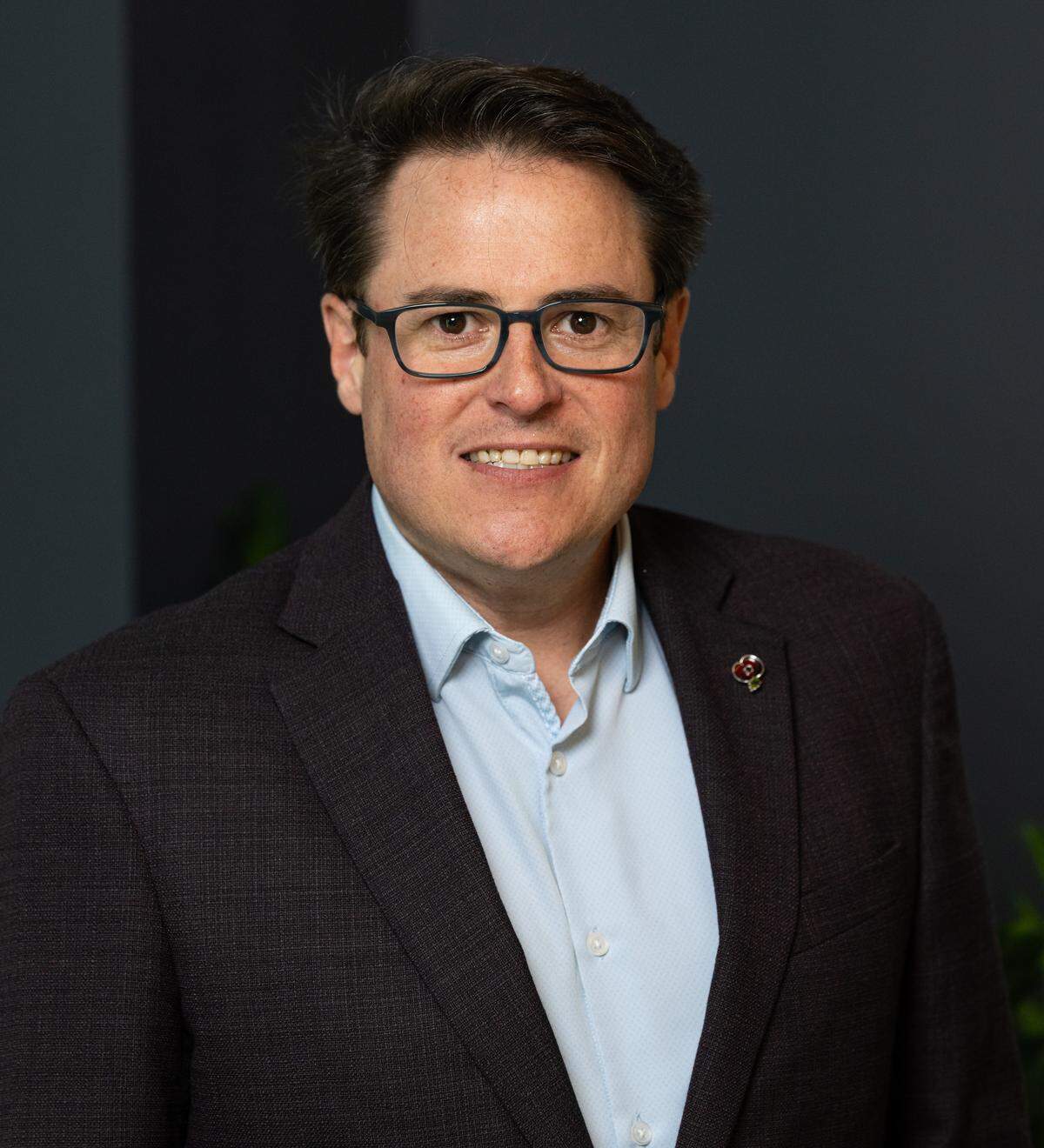
“You have to pay that. But I find it well worth it for the savings in time and the reassurance that you’re getting top-quality healthcare,” he said. “You know that you’re not getting lost in the cracks that you might feel like at a bigger place.”
This story was originally published September 2, 2025 at 5:25 AM.