Charlotte developer wants to raze, rebuild Excelsior Club. A museum has other ideas
Just as a developer is trying to move ahead with plans to raze the historic Excelsior Club in west Charlotte, then rebuild a near replica, a local museum CEO is trying to make the case for saving the structure.
The Charlotte Museum of History’s CEO passionate about trying to save the historic Excelsior Club building.
“Charlotte has a horrible reputation of tearing things down and building anew,” the museum’s CEO and President Terri White recently told The Charlotte Observer. “But Excelsior is one of the last independent structures connected to the civil rights movement in the city that is still standing and not converted into something else.”
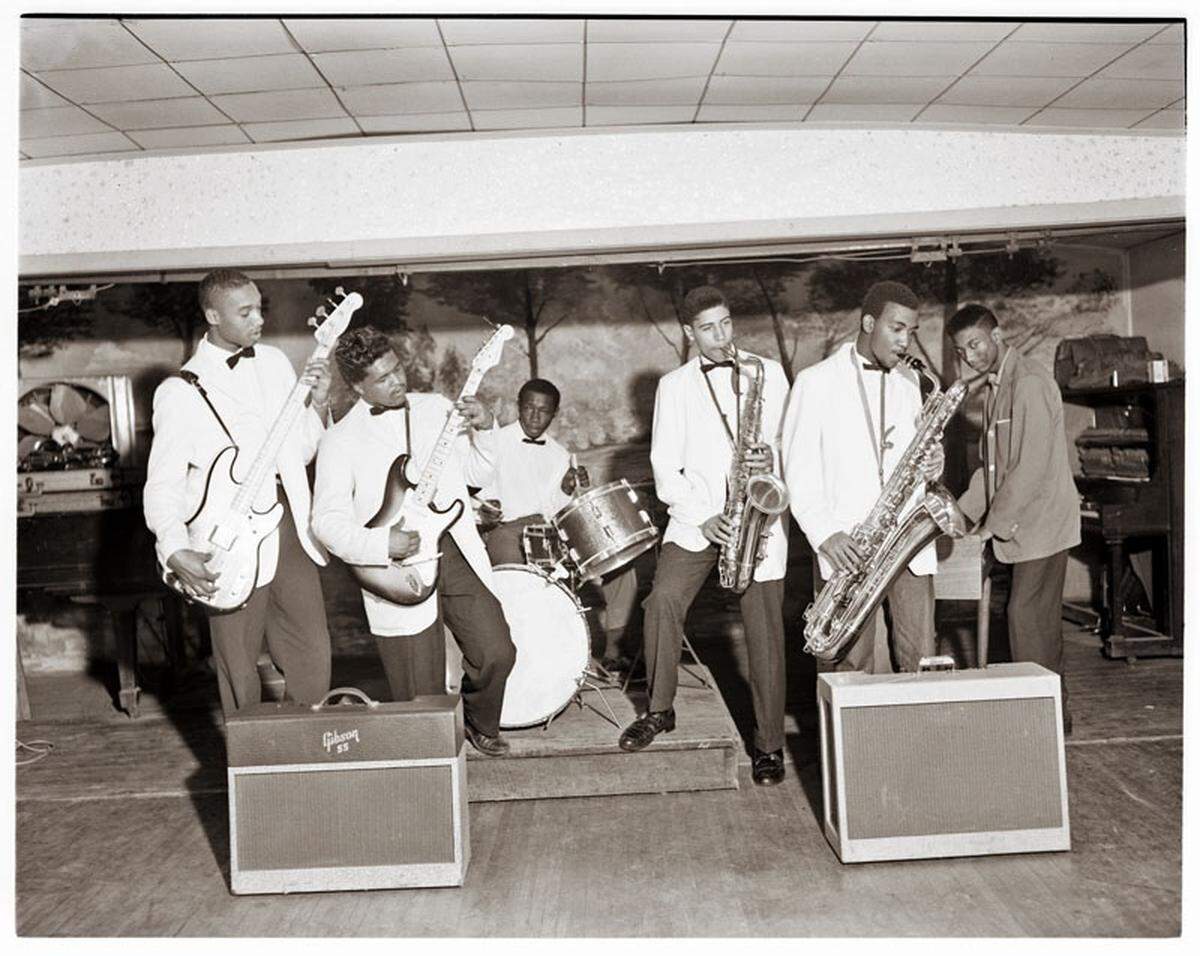
The Excelsior Club at 921 Beatties Ford Road was the city’s first exclusive Black nightclub when it opened in 1944 during the Jim Crow era. It hosted music legends like Louis Armstrong and Nat King Cole. The club also was the hub for Black political and community leaders before closing in 2016 for repairs. It has sat vacant since then, despite other plans that never came to fruition.
Local developer Shawn Kennedy of Kennedy Properties & Development signed a contract in May to buy Excelsior Club from owner Kenwood Investments. Kenwood, based in Sonoma, California, has owned the property since 2019. Now, “we have site control of the property,” Kennedy told The Charlotte Observer recently.
Kenney is working with Crosland Southeast developer Tim Sittema on the project, The Charlotte Observer prevoiusly reported. Kenwood is asking $1.7 million for the purchase of the site, Sittema said.
“I would love to salvage the building, but it’s not salvageable,” said Kennedy, who hired a national structural engineering firm to inspect Excelsior Club. “There’s nothing we can do.”
Excelsior meeting went poorly
But White insists the building can be saved.
“All you have to do is scroll social media and see thousands of examples of buildings without roofs, no floors, half a wall being restored to their former glory,” she said.
And it has architectural significance as one of the last Art Moderne-style structures in Charlotte, according to the 1985 Charlotte-Mecklenburg Historic Landmark Commission report.
“Architecturally, historically, culturally, Excelsior is not just a locally significant building,” White said. “It is nationally recognized as important.”
She also pointed to the museum’s own success last year in relocating and restoring the 105-year-old historic Siloam School, which many also believed was “too far gone.” That one-room schoolhouse for Black students during segregation sat boarded up in the Mallard Creek community since closing in 1944, the Observer previously reported.
White and Kennedy said they met in July to talk about plans for the club. While their recollections of the meeting differ, both agreed it went poorly.
“I would love to be with them to help curate the space,” Kennedy said Friday. “We want to tell the history. We want to tell the story.”
Both said they also were working with the Charlotte-Mecklenburg Historic Landmarks Commission. The commission did not return a request for comment.
Excelsior Club’s redevelopment plan
Kennedy and Sittema have a $7.8 million plan that would replicate Excelsior Club building with the addition of a rooftop feature. The new Excelsior Club would include a restaurant, meeting rooms and a museum.
“What we’re trying to do is honor the history, the people and the community,” Kennedy said.
But first, Kennedy said, the developers need buy-in from the city and county for it to be economically viable. They’re asking $1.5 million from each. The remaining $4.8 million would be funded through foundations and the developers.
In May, when Kennedy announced his intentions for Excelsior Club, he also applied to trademark the name and logo of The Excelsior Club, filings with the U.S. Patent and Trademark Office show.

Museum has a different vision for Excelsior
The Charlotte Museum of History had its own vision for the Excelsior Club property that was part of its 10-year strategy, White said. That plan has not yet been finalized or made public.
But the urgency to highlight the museum’s interest in the club came after Kennedy announced his intentions to buy the property, White said.
The museum’s plans for Excelsior Club included restoring the existing two-story structure and adding a connecting history center focused on local and regional Black history. It would cost $20 million to $25 million and include a modest Black History Center, parking and administrative space, White said.
The museum believes a public-private partnership could save Excelsior. And if listed on the National Register of Historic Places, which it has been eligible for since 2006, historic tax credits could cover a portion of the cost to rehabilitate the structure, White said.
The museum has a track record of preserving historic structures, caring for five historic buildings, including the Siloam School and 1774 Rock House, the county’s oldest home.
Preservation is a core part of its mission to offer what White called a tangible connection to history through immersive experiences.
A brief history about Excelsior Club
Both visions for Excelsior are the latest in a line of proposals that have yet to revive the historic site, which has fallen into disrepair.
Excelsior Club was originally a house built in 1917. In 1944, Jimmie McKee and his wife, Minnie, bought the seven-room, two-story house in Washington Heights. In 1952, McKee renovated the house with Art Moderne-influenced architecture and expanded it for a 300-person capacity, which is what stands today.
The club has had several owners since. In 1987, N.C. Rep. Pete Cunningham purchased the club, eventually selling it to the late civil rights attorney James Ferguson in 2006.
In 2016, the club closed for repairs and never reopened.
The next year, State Rep. Carla Cunningham, who acquired the property and mortgage from husband Pete Cunningham after his death in 2010, foreclosed on the property and Ferguson. The building needed extensive renovations, including new floors, interior walls, HVAC, plumbing and electrical systems, and repairs for water damage to the roof.
The year 2019 was pivotal for Excelsior Club. Cunningham was issued a demolition permit, but the Historic Landmarks Commission had a plan to save it. It failed.
After Excelsior Club was added in 2019 to the National Trust for Historic Preservation’s list of 11 most endangered historic places, Darius Anderson of Kenwood Investments purchased the club for $1.35 million. Kenwood received $250,000 in funds from the city, county, Foundation for the Carolinas and Knight Foundation in funding for the project, The Charlotte Observer previously reported.
Kenwood had plans for a 1950s-designed boutique hotel with roughly 60 rooms, restaurant, small museum and courtyard for live music. Standing independently would be an Excelsior building that respected the architecture of the original 1940s building.
But Kenwood, which still owns the property, needed 120 to 125 parking spots to move the plan foward, Anderson said in May 2023 during a community meeting. The project was 15 to 20 parking spaces short.
Kenwood Investments did not respond to requests for comment from The Charlotte Observer.
‘A better vision’
Kennedy said parking won’t be a problem with his plan.
His project needs just 52 parking spaces, which have already been secured. Kenwood Investments purchased two lots behind the club in 2022 for $325,000, Mecklenburg County property records show.
The latest plan also has support from a former owner, Ken Koontz, who agrees the building cannot be saved. Koontz and Phil Hatchett had purchased the club in 1984.
“It’s a better vision,” Koontz said of Kennedy’s plan. “It’s much closer to what the Excelsior Club continuation could and should be like. It’s realistic.”
White said she reached out to Kenwood Investments but was told it couldn’t discuss a potential sale to the museum while negotiations were ongoing with another buyer.
“When the entire country sees this little black-and-white building is important, why would we not save it?” White asked.
This story was originally published September 10, 2025 at 5:20 AM.