Latest Excelsior Club revitalization plan involves $3 million in taxpayer support
A Charlotte developer who expressed interest in reviving the historic Excelsior Club this year has brought a proposal to Charlotte City Council. And it’s in partnership with a bigger developer.
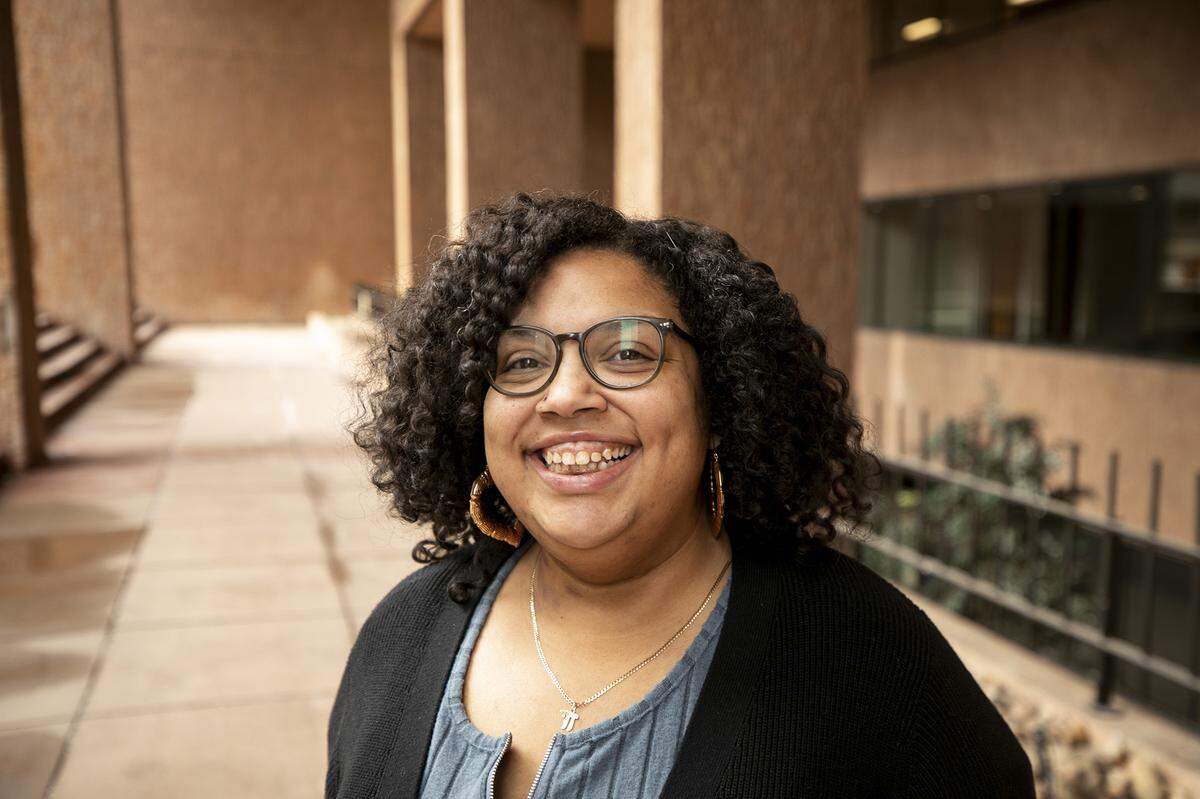
Shawn Kennedy, who runs Kennedy Properties & Development along with Prosperity Alliance, told members of the Jobs and Economic Development Council Committee Tuesday that he wants the new Excelsior Club to be his legacy. He plans to do that with the help of Tim Sittema and Crosland Southeast.
The pair have proposed an almost $8 million redevelopment plan that would see the building torn down but rebuilt as a close replica.
This is the latest in a long line of proposed plans that have yet to revive what was once a hub of Black nightlife in Charlotte both before and after segregation. And the developers do not own the property, which has sat unused and in disrepair since the club closed nearly a decade ago.
In a preliminary discussion, Kennedy and Sitma asked the city Tuesday to consider giving $1.5 million toward the plan. They intend to ask Mecklenburg County Commissioners Wednesday for the same amount.
“This will be my legacy project,” Kennedy told councilmembers. “This project doesn’t make sense (financially) but what it is is an exponential return of a cultural landmark … We are bringing back the history of Charlotte and making sure the future generations know what came before them.”

About The Excelsior Club
During segregation, The Excelsior Club opened in 1944 on Beatties Ford Road in West Charlotte. It was the first private club for Black residents, who gathered there to dance and hear live music.
Musicians such as Nat King Cole and Louis Armstrong graced the stage. Tuesdays were fish fry day and Thursdays were for Dirty Thirty parties.
But it was also a community and political hub visited by Bill Clinton and local leaders.
The club closed in 2016 and has since fallen into disrepair. It has seen a number of efforts to revive the space but none have come to fruition.

Excelsior’s proposed reimagining
Kennedy said in 2015 he was approached by then-owner civil rights attorney James Ferguson to become the new leader of Excelsior.
But the time wasn’t right. Now, Kennedy is ready to start that journey, and he’s bringing Sittema and Crosland Southeast along with him.
The plan is to demolish the building and bring back a replica of the space. The only structural difference would be a rooftop space.
Sittema said the site needs to be demolished because it’s unsafe. There’s mold, holes in the roof and is structurally unsound, he added.
The site is a designated landmark but Sittema said preliminary talks with the Charlotte-Mecklenburg Historic Landmarks Commission were positive.
Kennedy envisions a modern juke joint with some healthy food options and live music by local artists.
The club will also return to its community roots providing space for events, forums and farmers markets. Kennedy added that there will be a focus on second-chance hiring for people who face barriers to employment and free culinary training.

Excelsior’s proposed redevelopment cost
The cost is the tricky part of the project, both Kennedy and Sittema agree.
The overall project is set to cost $7.8 million. If the city and county kick in a combined $3 million, the remaining $4.8 million will be funded through foundations and the developers.
Another tricky part is ownership.
In 2019, Darius Anderson’s California-based Kenwood Investments purchased the club for $1.35 million, with the help of $250,000 in funds from the city, county, Foundation for the Carolinas and the Knight Foundation, The Charlotte Observer previously reported.
Kenwood still owns the property today and is asking $1.7 million, Sittema said.
For any part of the plan to proceed, including receiving the potential funding from the city and county, Kennedy and Sittema said they would need to purchase the property first.
Sittema said asking the city and county for 38% of the total project cost is a high ask, especially when the estimated return-on-investment is under 1%. But Kennedy said the long-term business plan is viable and he intends to hold on to The Excelsior, ultimately passing it down to his children.
Throughout the presentation, councilmembers seemed on board with the plan. Some of the major concerns included timeline and the economic viability.
This story was originally published September 2, 2025 at 6:25 PM.