Affordable homes remain out of reach in Charlotte, report says. What can be done?
Affordable housing options in Charlotte continue to dwindle for the region’s residents, a new report says, and there are concerns as housing construction stalls.
Less than 20% of homes were sold at an affordable price in 2024, according to this year’s State of Housing Report from UNC Charlotte. Breaking down the percentage, less than 2% of homes sold for under $150,000 and around 18% of homes sold for under $300,000.
The report looks at housing in the Charlotte area, which includes Mecklenburg, Cabarrus, Gaston, Iredell, Lincoln and Union counties. It also includes Lancaster and York counties in South Carolina.
A home is considered affordable if the owner or renter pays less than 30% of their gross income toward all housing costs, including mortgage, rent and utilities.
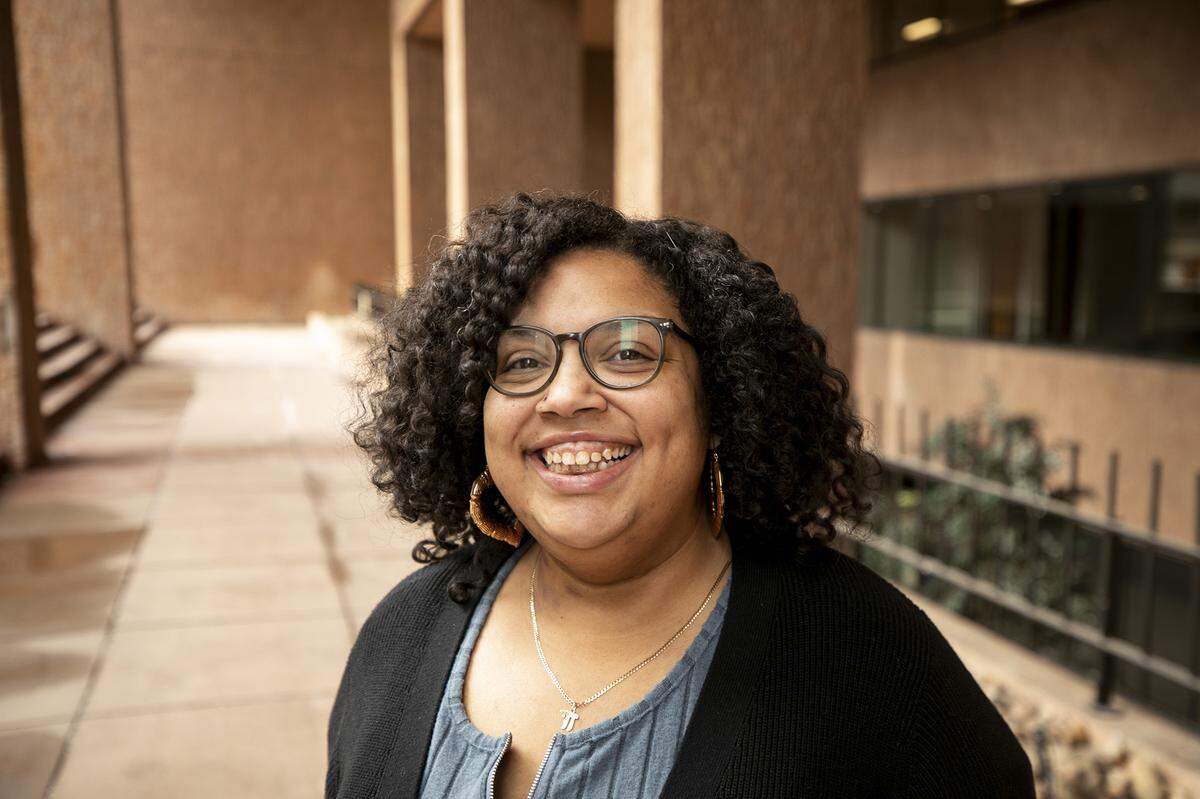
And while homes under $300,000 now seem far-fetched in Charlotte, $150,000 used to be the cost of a starter home, said Yongqiang Chu, director of the Childress Klein Center for Real Estate at UNC Charlotte. He’s also the lead researcher on the report.
Now, to comfortably afford a median price home, which the report lists at $443,850 this year, a family would need to make $146,280. That’s an 89% increase from 2020. Going back further, two decades ago a family would need $55,110.
About 75% of households cannot afford a median priced home in Charlotte, Chu said.
“Affordability is dramatically decreasing,” Chu said. “We need some kind of policy solution to this… We need subsidized housing.”
The need for new housing
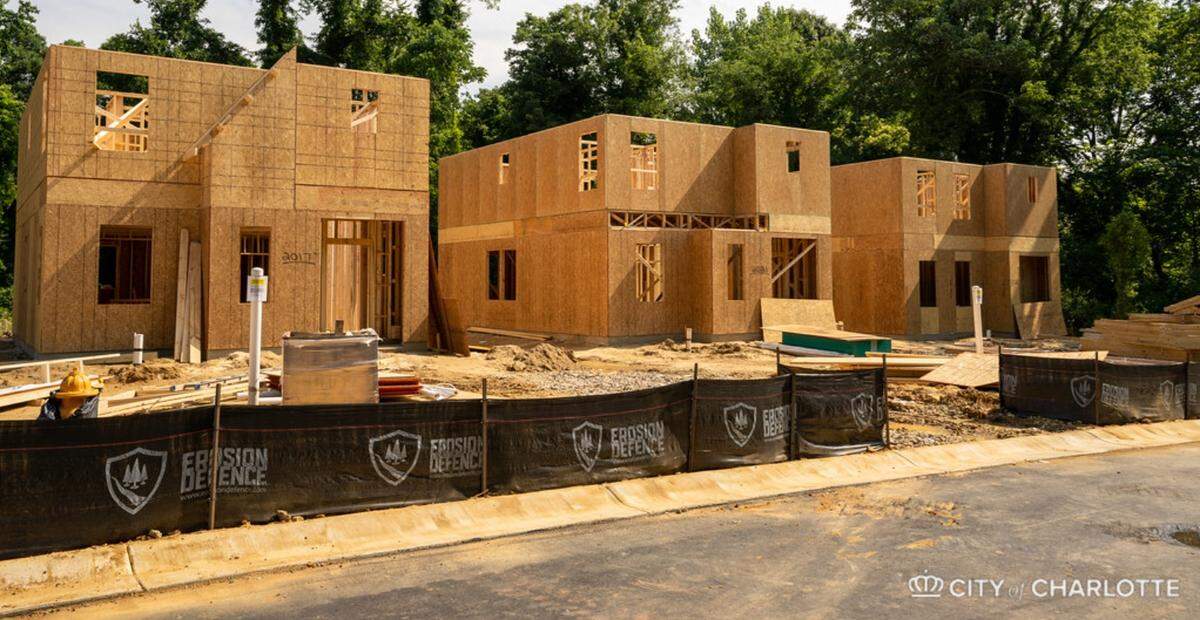
The city and surrounding areas need more housing overall, Chu added. The more housing stock available, both rentals and ownership, could decrease the price of housing, Chu said.
And the number of available housing units has increased, albeit slightly.
The Charlotte metropolitan added almost 29,000 housing units last year, according to the report. In that time, more than 24,830 households moved to the metro area.
Looking at the number of households versus the number of units, that’s a surplus of about 4,100.
But that surplus won’t last, Chu said, mainly because so many people are moving to the metro each year.
The metro’s population increased by more than 78,250 people between 2023 and 2024, according to the report. That comes out to 214 people moving to the metro every day, Chu said.
What will solve Charlotte’s housing problem?
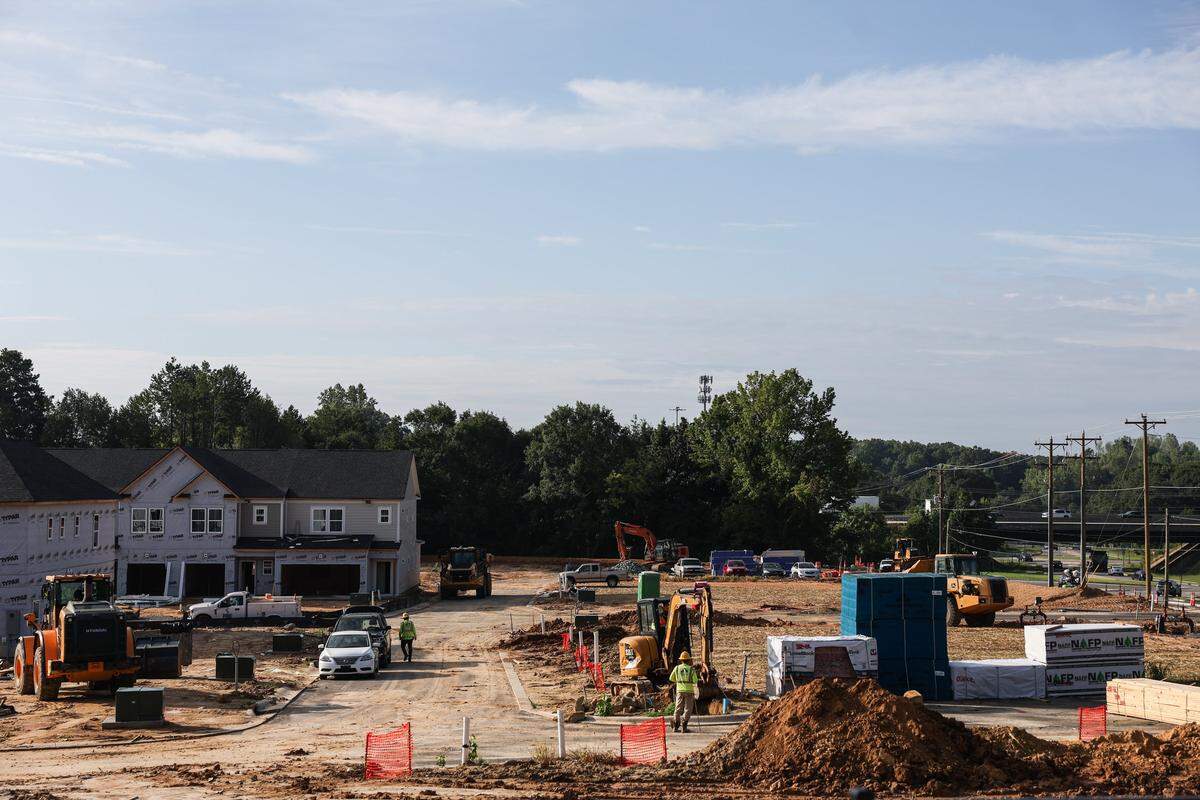
Meanwhile, housing construction has almost stopped between this year and last, Chu said. In the next two to three years, the metro won’t see as much of an excess in housing units.
“Every year, we would need to build 25,000 units,” Chu said. “Any housing stock is good housing stock.”
He said he doesn’t see that happening.
If the solution is more housing, how is that accomplished? Chu said municipalities have to be more friendly toward development.
He singled out Lancaster County, which just implemented a nine-month building moratorium on Indian Land, one of the fastest-growing areas in South Carolina.
Residents also have to be more accepting to new development and get rid of their “not in my backyard” attitude, Chu added
For example, Chu said, residents should think of who would live in the new development. He acknowledged that more housing may not necessarily help those with extremely low incomes.
More than 35,000 rental units are needed for those making 50% of the area median income or lower, according to the city’s affordable housing gap dashboard from 2023. For a family of four, that’s an income of $56,100.
It’s the second-greatest need behind those who make 80% AMI or lower, which would be around a teacher’s salary.
For those housing needs, Chu said municipalities need to decrease zoning restrictions, create more public-private partnerships and come up with more money to support the construction of that type of housing.
Charlotte has added more money to its affordable housing fund, or the Housing Trust Fund, via a bond that passed last year. And the city is working on more public-private partnerships via its Faith in Housing program, which helps places of worship build housing.
But more can be done, Chu said, including more money and more willingness to build.
Other findings in the ‘State of Housing’ report
Here’s some other key points in the report:
- The median home price continues to moderately increase. In September 2024, the median price was almost $430,000. That increased to $443,800 this September.
- Rent prices have stabilized. Rent in 2022 cost about $1,591 a month. That’s decreased to $1,566 this year. The decrease is due to an increase in available units. From the third quarter of 2024 to this year, the Charlotte region added more than 19,754 apartments. It’s the largest annual increase ever recorded.
- The vacancy rates for both rentals and for-sale housing has increased. There are about 91,250 vacant housing units in the metro area. But Chu repeated that he didn’t think that would last. He said units that are market-rate need to stay that way.
This story was originally published October 30, 2025 at 6:00 AM.