NC Governor, AG oppose 15% Duke Energy rate hike: It’s ’simply too high’
State Attorney General Jeff Jackson said late Tuesday that he is intervening in Duke Energy’s proposed 15% customer rate hike and reviewing it to “ensure it is necessary.”
Two hours later, Gov. Josh Stein said he too is opposed to the increase, citing family affordability issues.
Less than two weeks ago, the Charlotte-based utility giant filed a revised rate request for 15% over two years with the North Carolina Utilities Commission. Duke Energy said demand for electric power is rising at an unprecedented pace, and critical grid upgrades are needed for reliability, to protect against severe weather and to support North Carolina’s continued growth.
The filing would affect both Duke Energy Carolinas and Duke Energy Progress customers, covering much of the state. Combined the company has more than 4.5 million customers in North Carolina and South Carolina.
Duke Energy has said the proposed rate hikes will increase reliability through power grid updates for the growing state, including new businesses that are mainly manufacturing facilities. More electricity-hungry data centers also are expanding in the Carolinas, fueled by the boom in AI that requires lots of power.
“With costs rising everywhere, it’s important we take a close look at Duke Energy’s proposed rate increase to ensure it is necessary,” Jackson said in a statement. “My office is intervening to make sure we find the right balance between investing in our energy infrastructure and protecting North Carolinians’ wallets.”
Jackson’s office sent a news release to reporters about the move with the message header: “Attorney General Jeff Jackson Intervenes to Fight Duke Energy Rate Increases.”
The issue of affordability is one that continues to resonate nationally as well as locally, with politicians on both sides of the aisle seeking to claim the mantle of helping consumers.
Stein thanked Jackson for intervening. In a news release, the governor added, “Duke Energy’s proposed rate hike is simply too high and comes as the company is also retreating on more affordable clean energy.
“At a time when families are struggling to make ends meet, we should be doing everything we can to make life more affordable, not less,” Stein said.
When asked to comment on Jackson’s and Stein’s statements, Duke Energy spokesman Bill Norton told The Charlotte Observer: “We do not take any requests to increase rates lightly, knowing that our investments to meet North Carolina’s growing energy needs will be carefully evaluated by the North Carolina Utilities Commission, the public, and interveners such as customer advocates and the attorney general.
“We look forward to continuing the constructive dialog of all parties as the review moves forward next year,” Norton said.
Jackson’s office did not immediately respond to a request for additional comment.
Duke Energy Carolinas serves the western half of the state, including Charlotte. Duke Energy Progress operates in the eastern half, including the Triangle region.
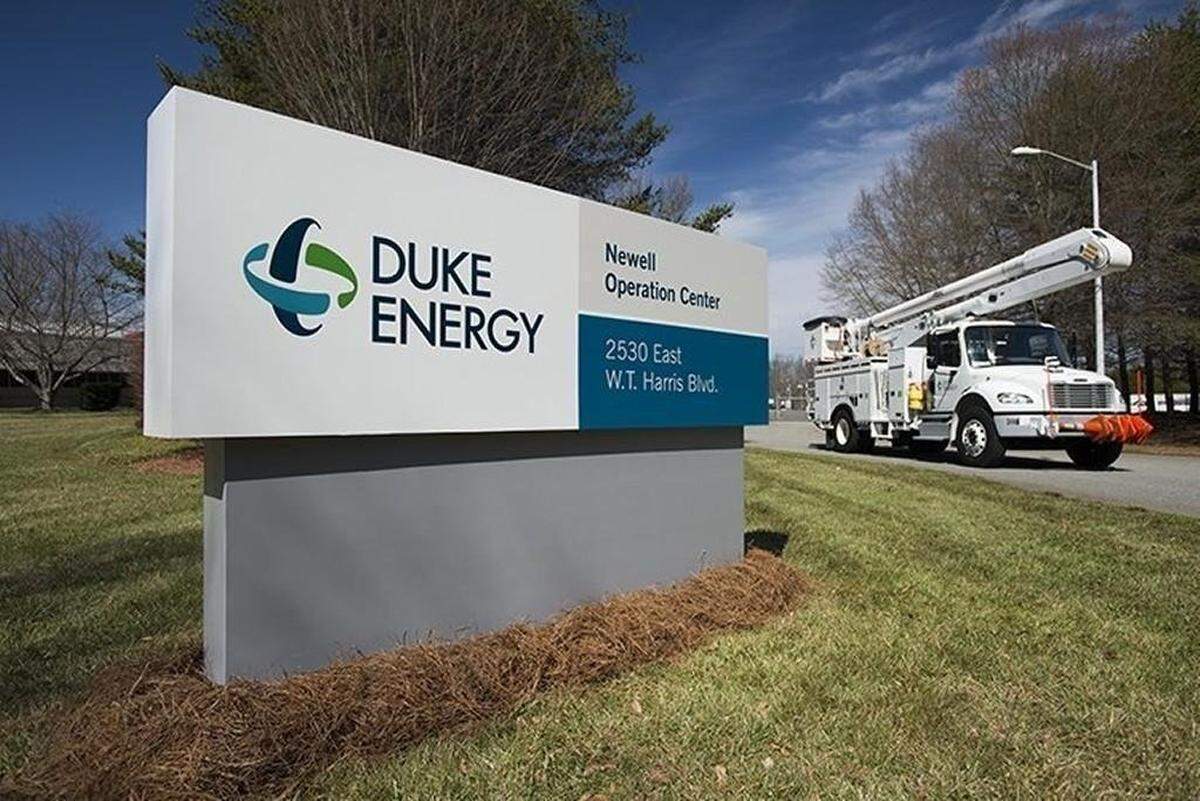
About Duke Energy’s proposed rate hike
Duke Energy customer rate increases would begin Jan. 1, 2027, with a second increase the next year, if approved by the utilities commission.
For Duke Energy Carolinas customers, the monthly bill would increase by $17.22 in 2027 and by $6.34 in 2028. In the first year, that would take average bills from $144.98 to $162.20. In 2028, the average monthly bill would be $168.54
For Duke Energy Progress customers, bills would increase by $23.11 in 2027 and by $6.59 in 2028. That would take the monthly bill in the first year from $163.84 to $186.95. In 2028, the average monthly bill would be $193.54.
Commercial and industrial customers would also experience rate increases.
From 2027 to 2028, commercial customers for Duke Energy Carolinas will see increases of 8.7% and 3.9%. Industrial customers will see 6.3% and 3.4%. On the Progress side, commercial hikes will be about 9.2% and 4.6%. Industrial will be around 7.4% and 4.3%.
The utility commission’s decision is expected in late 2026 following public hearings.
This story was originally published December 2, 2025 at 6:10 PM.