Harris Teeter parent quietly kills Charlotte area plan for 700 jobs at delivery hub
Harris Teeter’s parent company Kroger has quietly killed plans for a $92 million, 700-job delivery fulfillment center in Concord, dealing a sharp economic blow to Cabarrus County, the Charlotte region and the state.
In 2021, the state announced to much fanfare that Kroger would build a $92 million, 200,000-square-foot center that would add 692 jobs over five years in Concord. Roy Cooper, the governor at the time, touted the deal back then, saying, “North Carolina offers the right ingredients for a modern business to succeed.”
The fulfillment center would have been an automated center in partnership with Ocado Group, a UK-based technology company that specializes in automated, high-tech customer fulfillment centers for online grocery shopping.
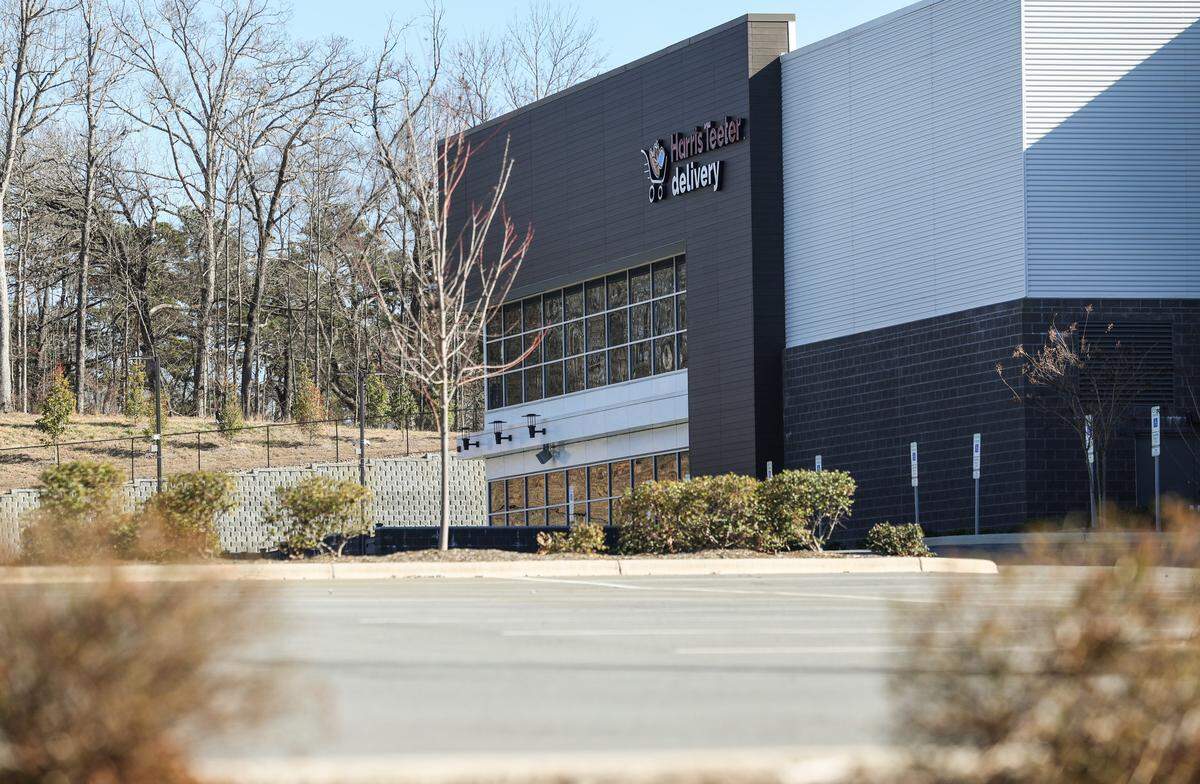
But Kroger is no longer moving forward with the planned center in Concord, the tech company told British regulators last month. The sprawling building off NC 49 South had already been built over the past several years, but sat silent and empty Friday.
Concord Mayor Steve Morris said Friday he had been aware of the uncertainty over the project as the building remained empty.
“I’m very disappointed that they’re not coming,” Morris told The Charlotte Observer.
Kroger, the grocery giant based in Cincinnati, Ohio, is also closing three currently operating fulfillment center. With those decisions Kroger will pay Ocado a one-off cash payment of $350 million to compensate the technology company, according to Ocado.
Charlotte also is no longer listed as a Kroger fulfillment center by Ocado Group.
Gretchen Carson, president and CEO of Cabarrus Economic Development Corp., confirmed that Kroger was not moving forward with the center. She had no additional details to share on why Kroger backed out.
About Kroger’s NC fulfillment center plans
When the fulfillment center was announced in 2021, then-N.C. Sen. Paul Newton, R-Cabarrus, predicted that the new jobs and investment would help many families in the area for years to come.
For its investment, Kroger would receive state and local tax incentives of $7.2 million, including $1.2 million from Cabarrus County and $791,846 from Concord. The average salary would have been $42,107, slightly above the county’s average annual salary of $41,255.
None of the incentives were paid out to Kroger, county and city officials told the Observer.
N.C. Department of Commerce officials did not immediately respond to requests for comment Friday. Kroger and Harris Teeter officials also did not respond to requests for comment.
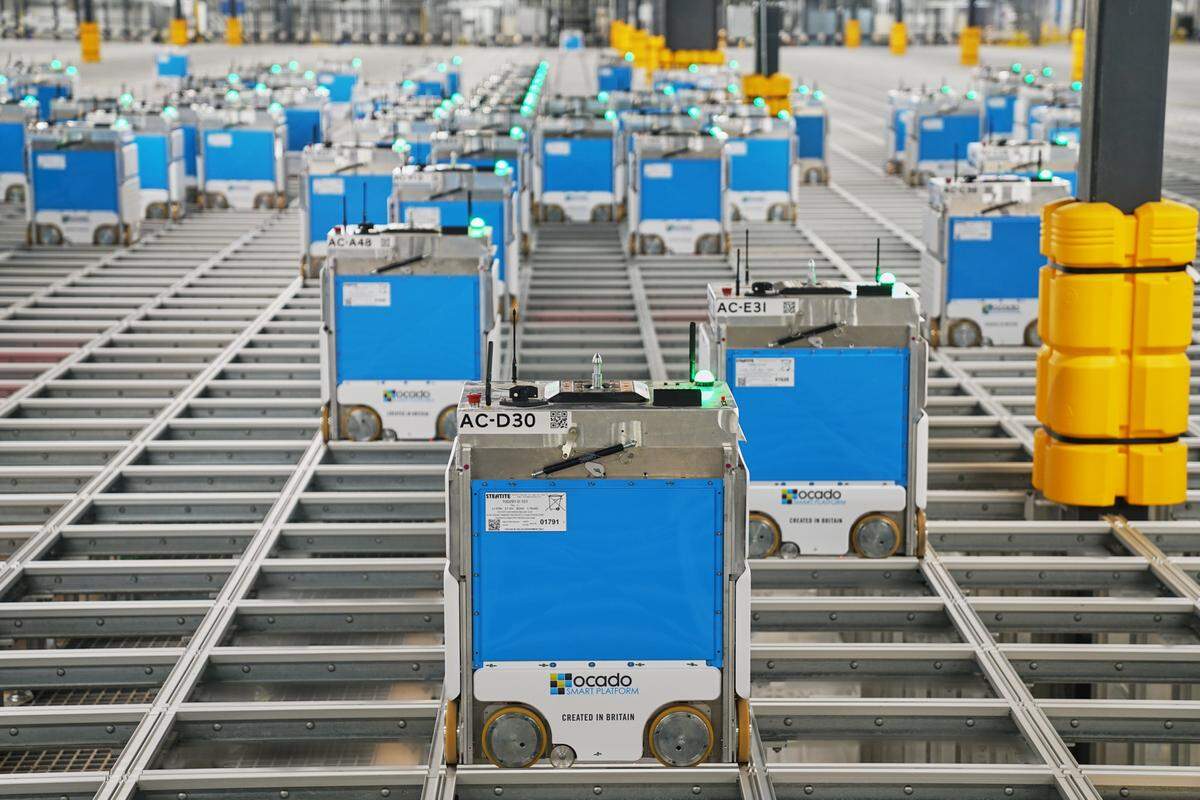
The automated customer fulfillment center was expected to help meet the acceleration of delivery demands, Kroger officials said at the time of the announcement. The center would use robots to help pack customer orders for delivery to fill online orders for same-day and next-day delivery services.
In December 2021, Kroger Fulfillment Network purchased 53.4 acres at 227 NC Highway 49 in Concord for $3.1 million, Cabarrus County property records show. Last June, Kroger’s plans for renovation and installation of a building auto freezer was approved, a building plan review filed with the city shows.
Harris Teeter has two distribution centers in North Carolina in Indian Trail and in Greensboro, with over 1700 employees.
The Matthews-based grocer has over 35,000 employees in North Carolina, South Carolina, Virginia, Georgia, Maryland, Delaware, Florida and the District of Columbia. There are more than 10,800 employees in North Carolina.
What’s next for Kroger’s Concord site?
The grocer told the county if it has future plans for the site, it would inform Cabarrus officials, Carson said.
Morris sees a silver lining, despite the loss of hundreds of jobs in the community. He said companies looking in the area often want a building that is ready to move into.
“This provides that,” Morris said. “Fortunately, we are in a very attractive area and get a lot of attention from potential projects.”
Kroger changes grocery delivery strategy
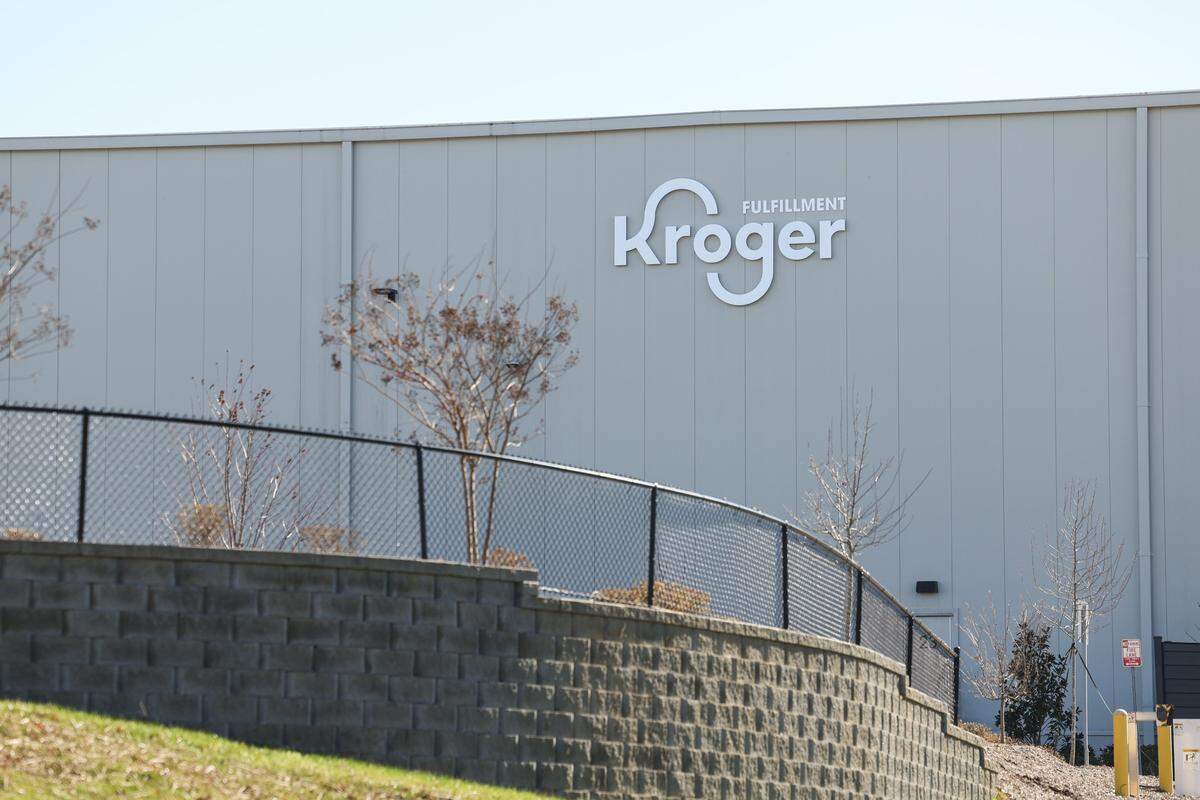
In November, Kroger said it would close three of its automated fulfillment centers that serve Harris Teeter customers in Groveland, Florida; Pleasant Prairie, Wisconsin; and Frederick, Maryland, by Feb. 1.
Instead, the grocery giant would shift to expanding store fulfillment partnerships with third-party delivery apps like Instacart and DoorDash to improve profitability. The company expects the changes will result in a $400 million profit this year.
On Thursday , Kroger launched deliver on the Uber Eats, Uber and Postmates apps at its nearly 2,700 company stores, including Harris Teeter.
Kroger’s failed incentives in Florida
This isn’t the first economic development agreement Kroger has dropped.
Last month, the city of Groveland in central Florida outside Orlando said it would pursue compensation for incentives doled out to Kroger as part of its incentive agreement with the grocer.
Kroger and Groveland entered into an agreement that required the grocer to build a 350,000-square-foot distribution center, add a minimum of 60 jobs and maintain the agreement for 15 years.
The site opened in 2021. But in November, Kroger decided it will close the facility and laid off 935 employees, area news outlets reported.
Groveland said Kroger defaulted on the agreement and is seeking almost $1.5 million in compensation. The city wants the refund by Jan. 30. Groveland also entered into an incentive agreement with Ocado and is in discussions with that group for compensation as well.
This story was originally published January 16, 2026 at 3:20 PM.