Farmland around Charlotte continues to vanish. A nonprofit is helping change that
The Conservation Fund’s Carolina Farms Fund is helping another Charlotte-area farm grow and provide long-term stability in a region where agricultural land is disappearing at one of the highest rates in the state.
The owners of Boy and Girl Farm on 10 acres in Waxhaw will add another 96 acres in Union County. The property on Potter Road in Monroe is about 30 miles southeast of Charlotte.
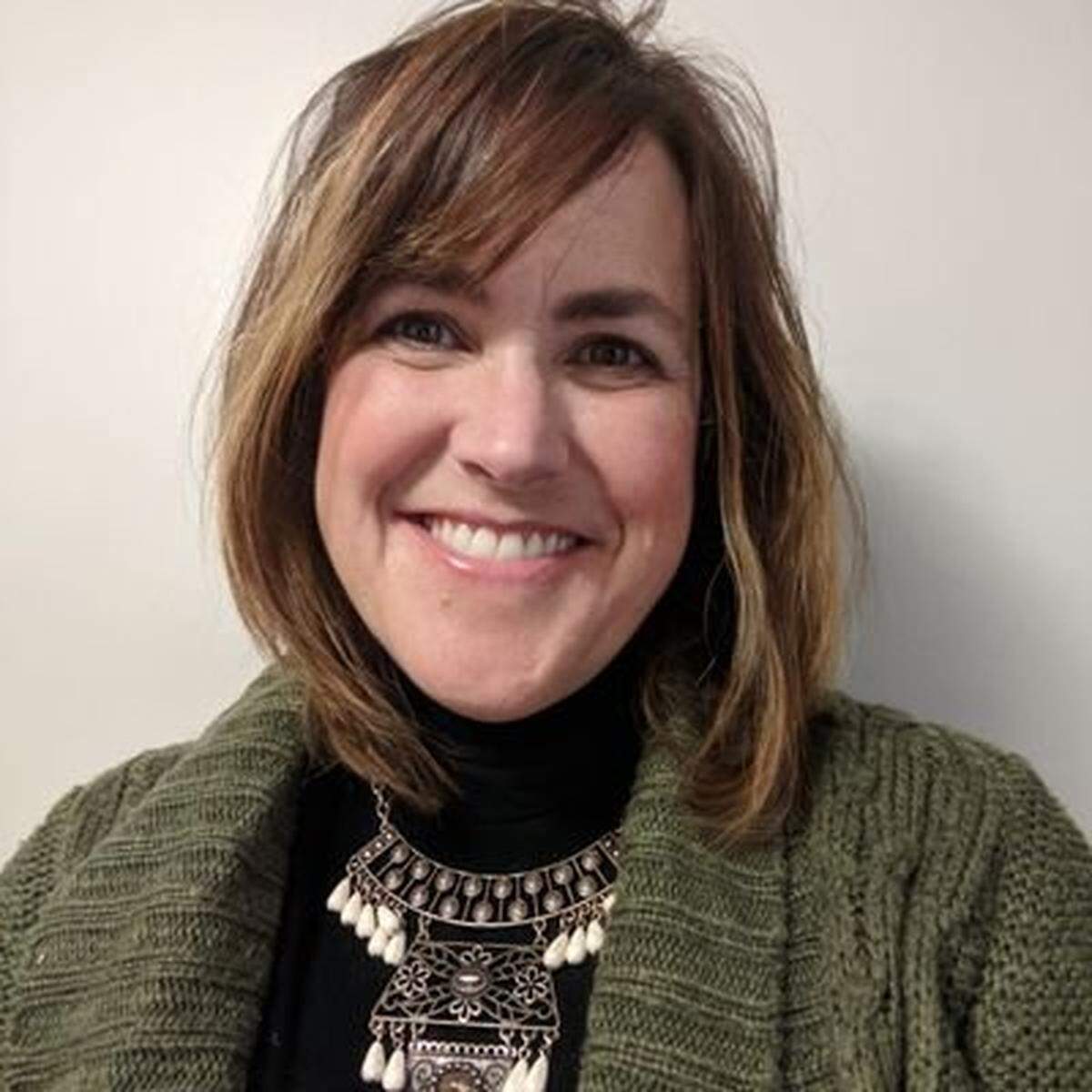
Boy and Girl Farm owners Joe and Amy Rohrer saw the farm for sale in Monroe, and it inspired their desire to grow. It has mature pecan trees, a more than 4-acre pond and rolling hills, Amy Rohrer said.
“It was an easy plot of land to fall in love with,” she said.
That’s when Carolina Farms Fund stepped in to help. In September, Carolina Farms Fund purchased the Union County farm for over $2.2 million, county property records show.
Now the Rohrers will lease the property for three to five years, eventually buying it from Carolina Farms Fund.
Carolina Farms Fund was brought to the Charlotte region in November 2023 by former Belk CEO Tim Belk as an initiative of the nonprofit The Conservation Fund. Carolina Farms Fund’s goal is to protect 5,000 acres of farmland in the 15-county Charlotte region where agricultural land is disappearing at one of the highest rates in the state, according to The Conservation Fund.
The Rohrer’s farm is Carolina Farms Fund’s second farm partnership in the Charlotte region. In September 2024, DeepRoots CPS Farm expanded on its 7 acres in west Charlotte to add 44 acres on Macedonia Church Road, about 5 miles south of Monroe in Union County.
Similar to the Potter Road property, Carolina Farms Fund bought the property for more than $1.4 million through an agricultural conservation easement. DeepRoots owners Cherie and Wisdom Jzar will lease the land for four years with the option to buy. Like the Jzars, the Rohrers will lease with the option to buy.
“It provides a patient path to affordable farmland ownership for next generation farm business owners,” said Krisztian Varsa, The Conservation Fund’s farm funds director. “This is land that’s under threat of development, and they (farmers) want to build farms that are close to the communities that have supported them.”
The group expects to secure at least another three farms in the region this year, he said.
.jpg "IMG_3522 (1).jpg")
Why Carolina Farms Fund work matters
Having lost 50,000 acres to development in the last five years, North Carolina now ranks as the second-highest state in the nation for farmland loss, behind Texas, Varsa said. “It’s a loss of an acre of farmland per hour due (in N.C.) to sprawling development,” he said.
The Charlotte region is expected to lose 19,400 acres of farmland by 2040 because of development, according to American Farmland Trust, an organization that tracks farmland lost in the U.S.
“We are working to preserve those areas of farmland that are going to be most critical to producing food for farmers or the community into the future,” Varsa said. “We need farmers close to people or there is no such thing as local food.”
For next generation or first generation farmers, having the capital or assets to go to a bank to buy a farm can be a huge barrier, Varsa said. “So we find farmers who are ready for this program because they want to scale up their production and meet the demand of their community for that fresh, healthy, local food,” he said.
Union County farm gets room to grow
Boy and Girl Farm is a mid-scale operation that grows 50 vegetable varieties year-round, according to its website. The farm serves as an anchor vendor for the Waxhaw Farmers Market, and supplies restaurants and wholesale distributors across Charlotte.
It was three years ago when the Rohrers first learned about Carolina Farms Fund. Initially they weren’t interested in expanding as their family was growing with four children.
But after learning more about the program and seeing the property in Union County, “it ignited our desire,” Amy Rohrer said.
“It just deserves to stay in one piece,” she said of the 96-acre farmland with two road frontages. It’s also less than 10 minutes from their house.
Carolina Farms Fund’s partnership with Boy and Girl Farm
Joe Rohrer was already out plowing some of the pastureland on Jan. 28, Amy Rohrer said.
First steps are getting the fields cut up, then grow on some of the land quickly in the spring and cover crop the rest, Amy Rohrer said. They are getting a drill welled and power to it.
The long-term expansion, Amy Rohrer, said will result in a significant increase in the farm’s capacity:
- An increase to 20 acres of vegetable and fruit production.
- The addition of a 20-acre fruit orchard and a 5-acre berry patch for future U-Pick agritourism.
- Construction of up to five high tunnels for winter and shoulder-season production.
Amy Rohrer comes from a long line of farmers and grew up hearing: “Hold on to your land. God, ain’t making no more.” She said the lack of farmland and affordability is a real issue.
“This land gives us room to grow, diversify and build something lasting for our children and our customers,” she said.
More about Carolina Farms Fund
The Carolina Farm Fund supports small- to mid-sized farmers with about 75 acres or less who lease land to move into ownership or increase the amount of land they have to meet market demand.
The Conservation Fund buys 20- to 200-acre farms under threat of development on the outer edge of a major metro area, like Union County, and leases them to a matched local farm.
The farm is expected to be purchased by the farmer in three to five years. The land is further protected from development by selling it in a conservation easement, Varsa said. The funds are recouped and then deployed into a new farm.
In addition, JPMorganChase provided the nonprofit with a $500,000 operational grant. Half of it was regranted to the Jzars’ nonprofit farmer network to build a pipeline of farmers, Varsa said.
A decade after buying their Waxhaw property, Amy Rohrer said they are sighing with relief about their future thanks to Carolina Farms Fund. “It’s just real now,” she said.
This story was originally published February 6, 2026 at 5:18 AM.