
Maui to sue Bank of America, claims the bank broke vow to lend to native Hawaiians
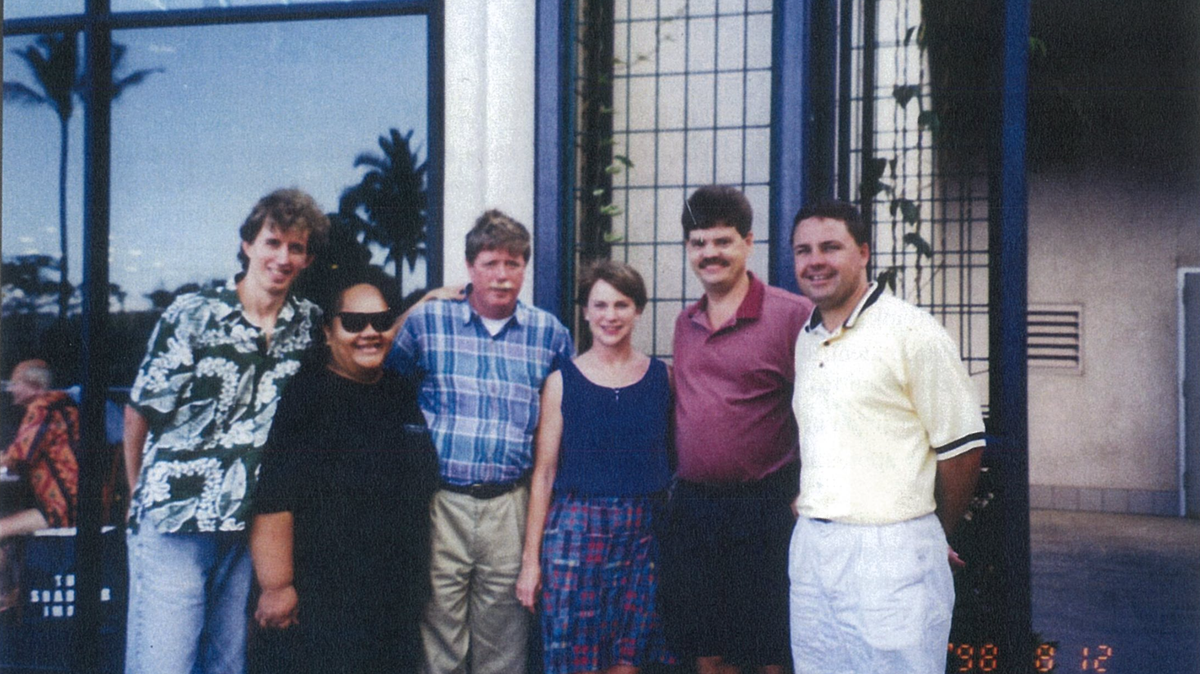
In the summer of 1998, an upstart community development executive at NationsBank went to Hawaii in the midst of what was then the biggest bank merger in history. It wasn’t for a vacation.
That young executive, Cathy Bessant, now chief operations and technology officer of Bank of America, met with a group of Hawaiian elders in ʻIolani Palace, home of the last king and queen of Hawaii. She said the bank would honor a massive commitment that the bank it was merging with had made.
Four years earlier, BankAmerica had promised to make $150 million in home loans to native Hawaiians by 1998. By the time the bank planned to merge with Charlotte’s NationsBank, BankAmerica knew it wasn’t going to make that many in time, the bank’s lawyers later said in court. Bessant’s assurances calmed concerns that the pledge would fall by the wayside.
Two decades later, many Hawaiians don’t believe Bank of America made good on Bessant’s promise, and one county is taking action.
In July, Maui County voted to hire a special counsel to sue Bank of America for alleged failure to fulfill a past commitment to make home loans to Native Hawaiians and for fraudulent foreclosure, opening a new chapter in the bank’s decades-long struggle with the state.
The county authorized the hiring of a special counsel to go after Bank of America, as well as other mortgage lenders, in a 7 to 1 vote July 10. The same day, Bank of America filed in federal court to stop the suit.
“While we respect and understand the issues faced by the native Hawaiian community, the county has authorized a meritless lawsuit relating to a pledge made in 1994. The bank has fulfilled its pledge,” Bank of America spokesman Bill Halldin said in a statement.
The bank asked a federal court to preempt Maui’s lawsuit and issue a ruling that the county has no claims it can make against the bank.
If Bank of America held up its end, “there would be more Hawaiian families that would’ve been able to pass on generational wealth in the form of their house,” said Keani Rawlins-Fernandez, vice chair of the Maui County Council, in an interview.
The county has yet to hire counsel or file legal claims against the bank. A special counsel should be hired by next week, according to David Raatz, the supervising legislative attorney for Maui County.
A missed timeline
The suit stems from a 1994 pledge from BankAmerica to lend $150 million in federally-backed home loans on land set aside for Native Hawaiians.
The bank pledged to make the loans as it was buying Honolulu-based Liberty Bank. At the time, activists alleged that BankAmerica was discriminating against native Hawaiians and Filipinos. The pledge placated some of those concerns.
That injected Bank of America into one of the most prominent economic issues for native Hawaiians — the Hawaiian Home Lands waitlist.
About 28,000 people with at least half native Hawaiian ancestry are on a waiting list to get access to land set aside for them. Some die before ever getting off the list. The list contributes to the ongoing economic struggles of native Hawaiians, who suffer from higher unemployment and poverty rates than the state’s overall population.
“The waitlist represents a systemic ongoing injustice,” said Bumpy Kanahele, a native Hawaiian activist.
By 1997, Bank of America said in federal court this month, it realized that it could not make enough Hawaiian Home Lands home loans in time.
The next year, after the merger with NationsBank was announced, Bessant flew to Hawaii.
She told native elders, state officials and affordable housing activists that the bank would honor the commitment, but it wasn’t going to make that timeline, according to an interview with affordable housing activist Ian Chan Hodges and a 2014 letter from Kehaulani Filimoe’atu of Na Po’e Kokua, an affordable housing group. Both met with Bessant in 1998.
Still, after Bessant’s visit the bank wasn’t on track to meet its goal any time soon. By the end of 2002, the bank had only made about $30 million in loans to native Hawaiians on the land set aside for them, according to the bank’s July suit against Maui.
“Stiff competition” from other lenders in the program and a limited supply of homes in the Hawaiian Home Lands made it difficult for the bank to make its goal, the bank said.
Faced with this tight market, the bank negotiated with state officials in 2003 to substantially modify the pledge, establishing new criteria for what the pledge meant with the Department of Hawaiian Home Lands, which oversees the land set aside for native Hawaiians.
The new criteria counted multiple kinds of financing and grants towards the $150 million goal, and allowed some types of financing count three or four times their dollar value towards the goal.
The bank said that in the years after that agreement it invested tens of millions to promote native Hawaiian home ownership. In 2007, a DHHL official told the bank that under the new criteria it had met its $150 million commitment.
‘They lied’
Many politicians and activists do not believe the modified criteria actually counts towards the commitment. The new goals made it seem to them that the bank was getting a sweetheart deal.
In 2012, the head of the Hawaiian Homes Commission, which oversees the DHHL, said Bank of America did not actually meet its commitment because the commission did not approve it, among other reasons. A DHHL spokesman confirmed that the 2012 letter is the department’s current position.
Gov. David Ige and U.S. Sen. Brian Schatz have also said the bank hasn’t met its commitment to lend to native Hawaiians.
“They lied. They never did it,” Schatz said at a town hall in 2019.
In 2018 and 2019, the Hawaiian Attorney General investigated whether it could pursue charges against the bank, according to Bank of America’s filing against Maui in federal court.
Last August, a Hawaii deputy attorney general wrote in an email to a Maui County counsel “that there are no legal bases” for the state to pursue against Bank of America for the commitment, according to an exhibit in Bank of America’s suit against the county. The email did not address counties’ legal standing.
Spokespersons for Ige, Attorney General Clare Connors and Schatz did not reply to requests for comment.
“Although some native Hawaiians continue to insist that the pledge remains unfulfilled, their arguments are premised on one-sided, incomplete, and, at times, inaccurate recitations,” Andrew Plepler, Bank of America’s global head of environmental, social and governance, wrote in a July 8 letter to the Maui County Council.