Here’s some home loan tips and advice from the experts, as mortgage rates keep rising
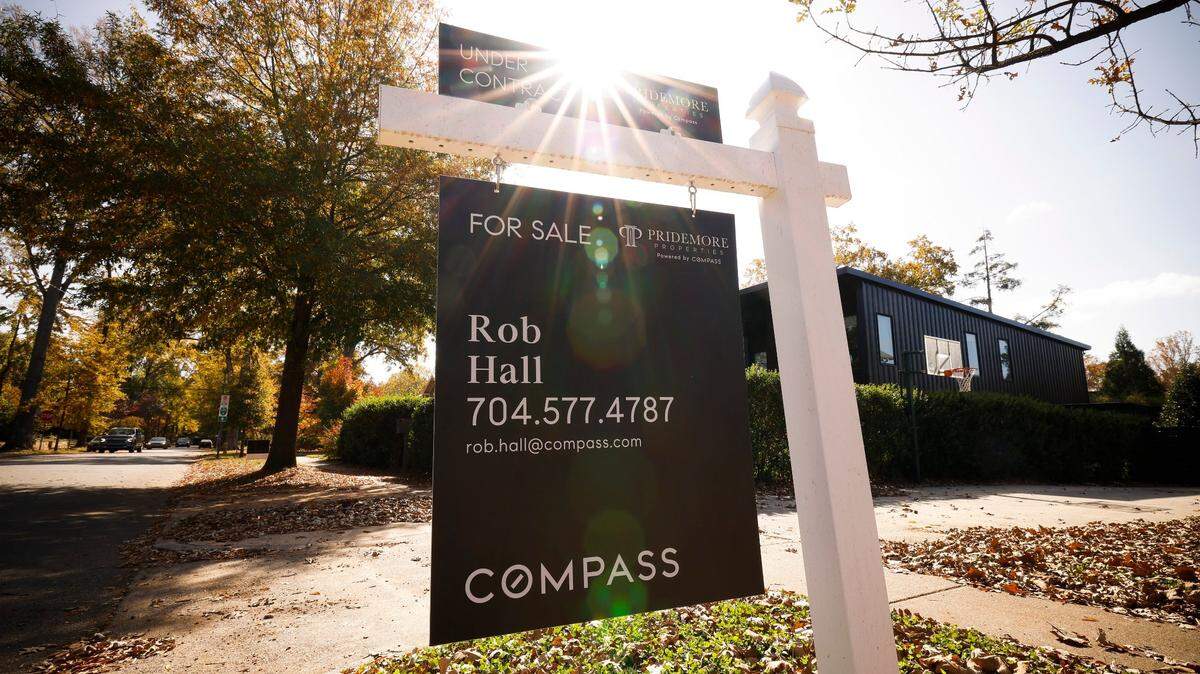
Homebuyers in Charlotte already face a number of hurdles in today’s market: rising prices, ever-lagging inventory. And now, historically high mortgage rates are complicating the process even further.
But what about those who are pressing forward with their search for the perfect property?
The Charlotte Observer recently spoke to two home loan experts — Greg McBride, chief financial analyst at the personal finance site Bankrate, and John Adams, a Charlotte-based loan officer at Highlands Residential Mortgage — to get their advice for potential homebuyers.
Their responses have been edited for brevity and clarity.
The Charlotte Observer: Let’s start with the basics: How do higher mortgage rates impact homebuyers, and what impact does that have on the broader housing market?
John Adams: If we look at a year ago today, mortgage rates (for a 30-year fixed rate mortgage) were around 3.2%. If you’re looking at a $300,000 mortgage, your monthly payment now is up by nearly $700 with a 7% rate (the average interest rate reported Nov. 3). That’s just some back-of the-napkin math for you.
Greg McBride: It pushed millions of would-be homeowners to the sidelines. A lot of people have been priced out of the market.
Many buyers are now on the fence of whether to move forward with their housing search. What should they consider when deciding whether to hold off or take the plunge?
McBride: Because of the surge in (home) prices and now mortgage rates, what you can afford (now) may be a much different house than a year and a half ago. That’s part of the equation: are you comfortable settling for a smaller place? Or would you rather wait it out and take the time to accumulate savings, pay down debt and boost your earnings, so that if you buy in another couple of years, you’re looking at a place that’s more of a permanent home as opposed to a starter home?
It’s your own financial situation: have you saved enough for an adequate down payment? Can you comfortably afford home ownership without it restricting your lifestyle or your ability to save? If you can check those boxes, then high prices and high rates notwithstanding, maybe this is the time. You’ve got a lot less competition.
How can buyers make sure they get the best interest rate on my mortgage? How can they factor higher rates into their budget?
Adams: Number one would be making sure your credit score is top tier. A (low) credit score will disqualify you from owning a home. It could put you in a loan situation that is less than advantageous to you, or it’s going to cost you more. Then your neighbor who sits in the cubicle next to you who makes the same amount of money, they just got approved for a 7% rate. But your lender’s telling you 7.5% for the exact same townhouse — that’s typically because of your credit score.
There’s the budget I can lend you and there’s the budget you can lay your head on the pillow and go to sleep with… The key thing is having patience. The right home will come along, at the right price in your budget, at some point in time. I believe that with all my being.
McBride: Definitely get pre-approved for a mortgage. It shows prospective sellers that you’re the real deal, and it also sets boundaries around your home shopping. There’s no sense falling in love with a house that you then won’t be able to afford with the loan you qualify for.
For those who aren’t ready to be a homeowner just yet, what should they keep in mind? How can they build a foundation to buy in such a competitive market?
Adams: The first thing they need to do is map out a very detailed personal budget. You have to work through that process to know what you can afford. If you need help, almost any mortgage professional locally will help you through that. They have resources to point you to. Sit down with someone who’s got your best interest at heart.
McBride: There’s no rush, particularly early in your career. Instead, make those investments to advance your career path, because when you are ready to buy, you’ll be able to buy more. Don’t pursue homeownership with blinders on. It can be very beneficial financially over the long run, but not at the exclusion of saving for retirement, an adequate emergency fund or paying down debt. You don’t want to compromise the other aspects of financial stability.
This story was originally published November 10, 2022 at 6:00 AM.