Don’t quit your day job — no, really. Here’s NC economists’ advice for 2023
It might be time to put a balanced budget on your New Year’s resolution list.
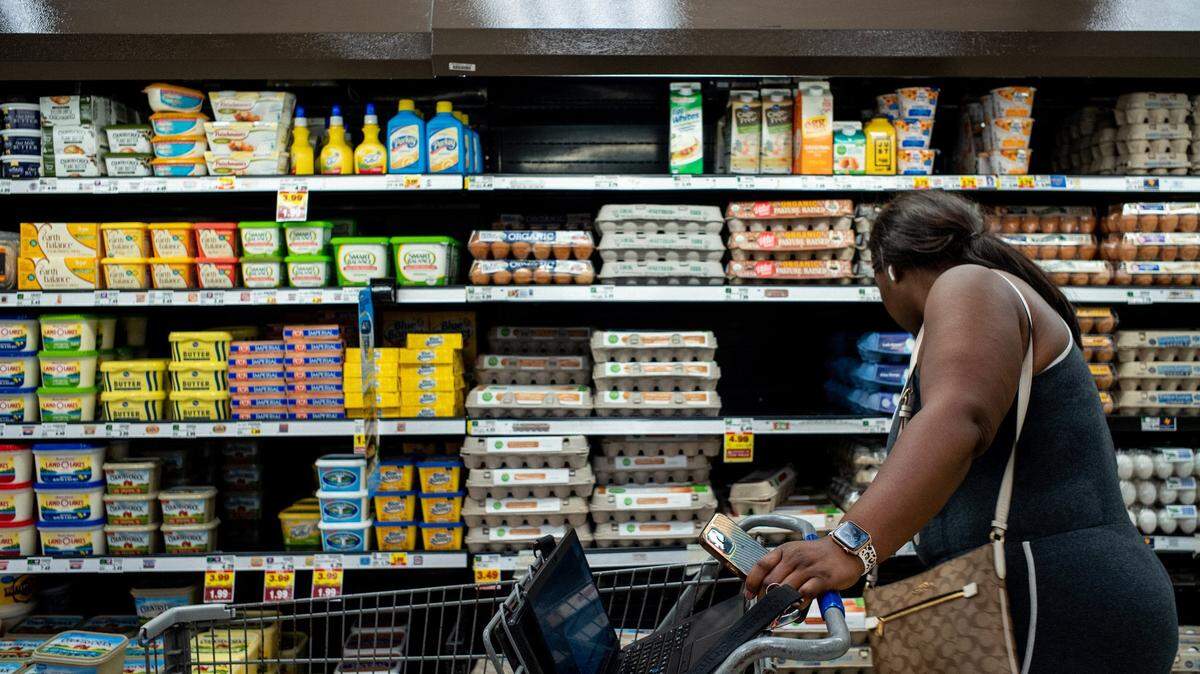
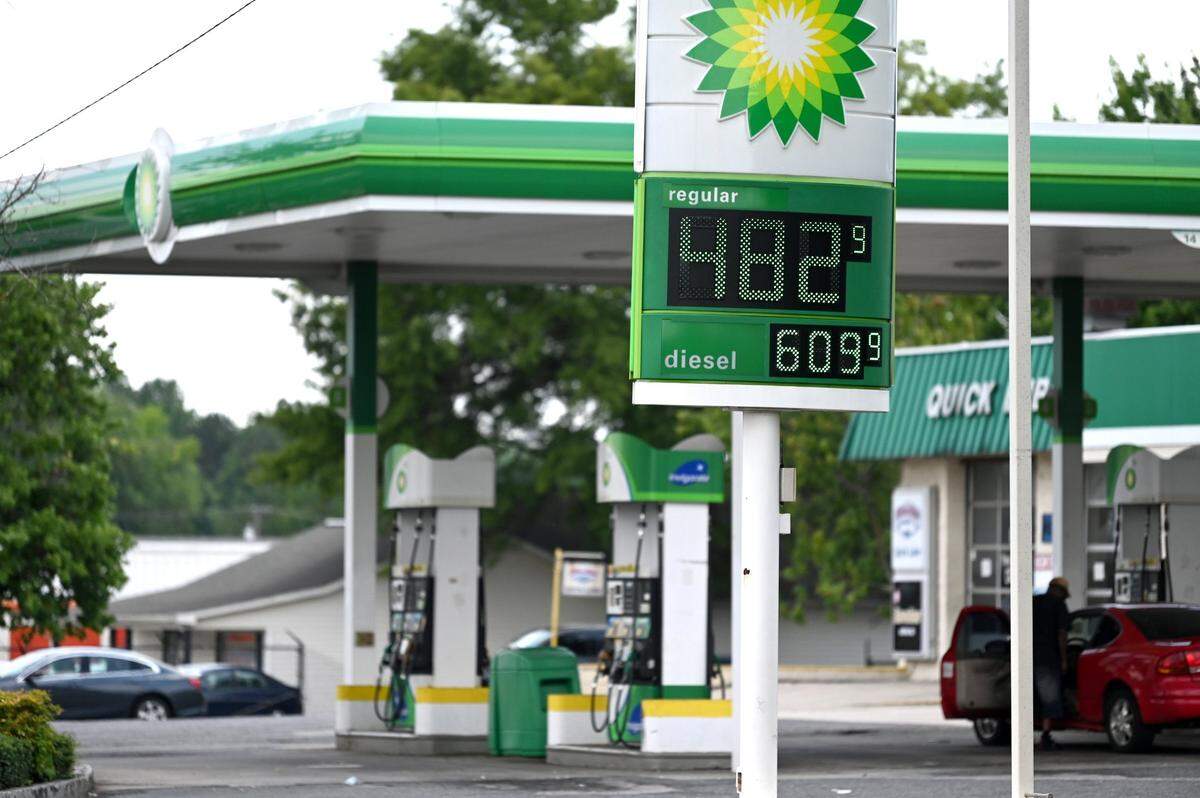
Last year was a rough one for the economy, and many Charlotteans have already felt the pinch. Gas climbed to nearly $5 a gallon. The price of a dozen eggs doubled. Finding an apartment for less than $1,000 a month in Charlotte? In 2022, we learned you had better odds betting on the Panthers to win the Super Bowl.
But N.C. economists say the worst isn’t over.
They pointed to the fact that the Federal Reserve is still trying to chase down price increases with higher interest rates, risking a bigger economic slowdown in the hopes of reining in inflation.
The bad news? Things may get worse before they get better, they told The Charlotte Observer.
The good news? The four economists — John Connaughton, director of the UNC Charlotte Economic Forecast, Connel Fullenkamp, an economist at Duke University, Michael Walden, professor emeritus at N.C. State and Laura Ullrich, a senior regional economist at Charlotte’s branch of the Federal Reserve Bank of Richmond, Virginia — offered a few tips for weathering the worst of it.
1. Inflation will stick around
All four economists told The Charlotte Observer that they expect higher prices to linger through at least the first few months of the new year.
“That’s what I’m looking at most closely,” Ullrich said.
She noted that the inflation rate had slowed somewhat in the last couple months of last year, falling from 9.1% in June to 7.1% in November. But there’s still a long way to go to bring the rate down to pre-pandemic levels, which were closer to 2%.
“It’s certainly positive,” Ullrich said. “But it’s just two months of data headed in the right direction.”
Cost increases have been the most challenging element of today’s economy for many families in Charlotte and beyond, Connaughton said.
“Inflation is the most insidious regressive tax that you could think of,” he said. That’s because price increases have affected expenses like food, fuel and rent, hurting those that spend more of their incomes on essentials.
“It just hits lower- and middle-class people harder than almost anything else,” Connaughton added.
It’s almost impossible to avoid the price increases that have plagued households in 2022. But taking a good look at expenses will help families trim costs where they can, Walden said.
“You must create a household budget to see where your money is going,” Walden said in a recent column he wrote for N.C. State.
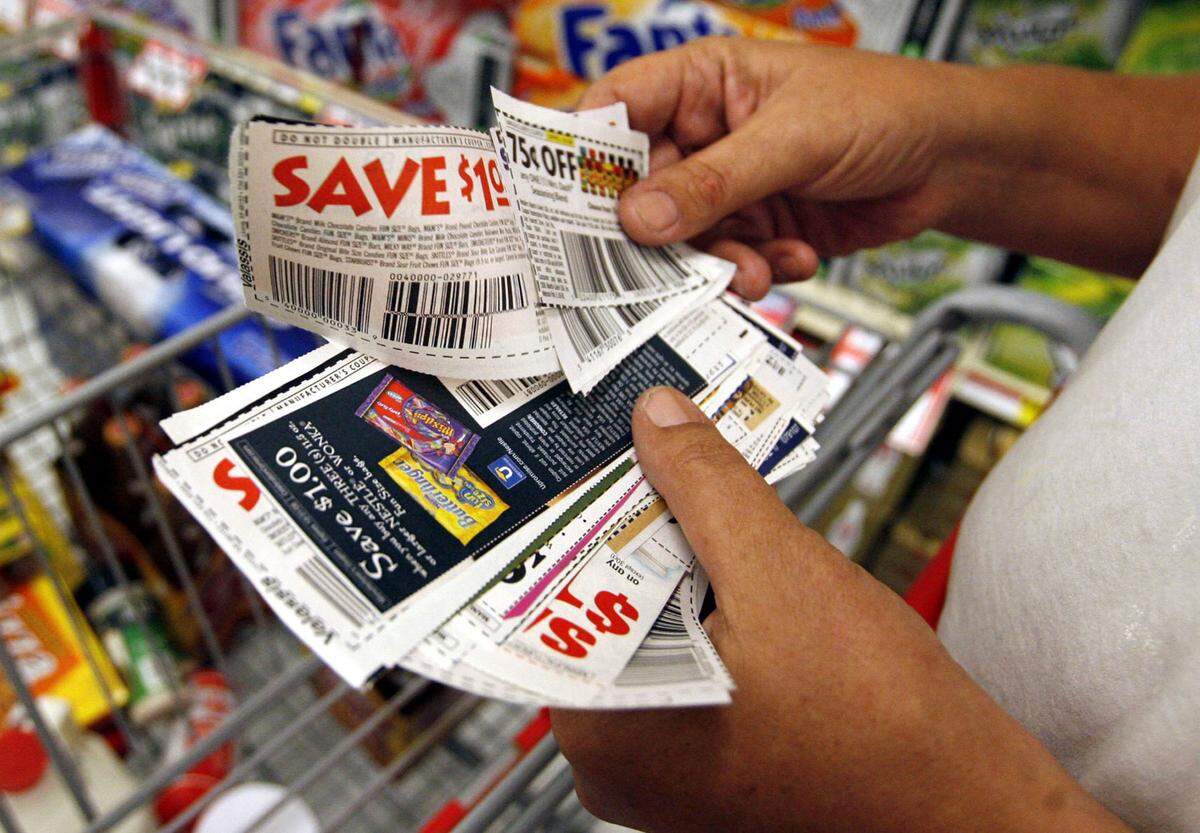
Buying in bulk, buying off-season and taking advantage of coupons and sales are good ways to save on essential purchases, he said. Eating out can be a huge source of spending — staying in more often in 2023 could save you two-thirds of the cost of every meal.
“You’re going to have to think really hard about how you spend your money and prioritize your spending,” Fullenkamp added.
2. The cost of borrowing is high, and going higher
Many economists expect inflation to cool at some point next year.
Supply chain struggles that began during the pandemic are easing. And the Federal Reserve has raised the federal funds rate — the interest rate banks charge each other to lend money overnight — to slow the flow of money through the economy.
That strategy is supposed to put the brakes on inflation, too. But it has other implications for consumers. For example: By lifting the federal funds rate, the country’s central bank raises the cost of loans across the economy.
That helps reduce demand and slow inflation. But it also means all kinds of borrowing — from mortgages to credit card rates — get more expensive, Walden said in his memo. “If you’re borrowing money for a home, vehicle, or other big-ticket item, you’re now paying more than twice as much today than a year ago,” he said.
The cost of borrowing is all but guaranteed to keep rising in 2023, with Fed leaders signaling they have no plans to stop lifting interest rates until inflation is well under control.
Higher rates aren’t all bad — you’ll earn more interest on your savings account, Fullenkamp noted, and assets like certificates of deposit offer much better returns than they did a couple years ago.
“It’s increasingly a good time for savers,” he said.
But if you can put off big expenses like replacing your car or buying a home, Walden said, it might be better to wait until rates come down.
That could be months from now, Connaughton said. But it’ll make balancing your budget easier, and help you avoid higher payments due to interest rates.
3. There’s probably a recession ahead
When the Fed raises interest rates to control inflation, there’s always a possibility it could act too aggressively and trigger an economic downturn. Fullenkamp, Walden and Connaughton all said they foresee a high probability of that happening at some point in 2023.
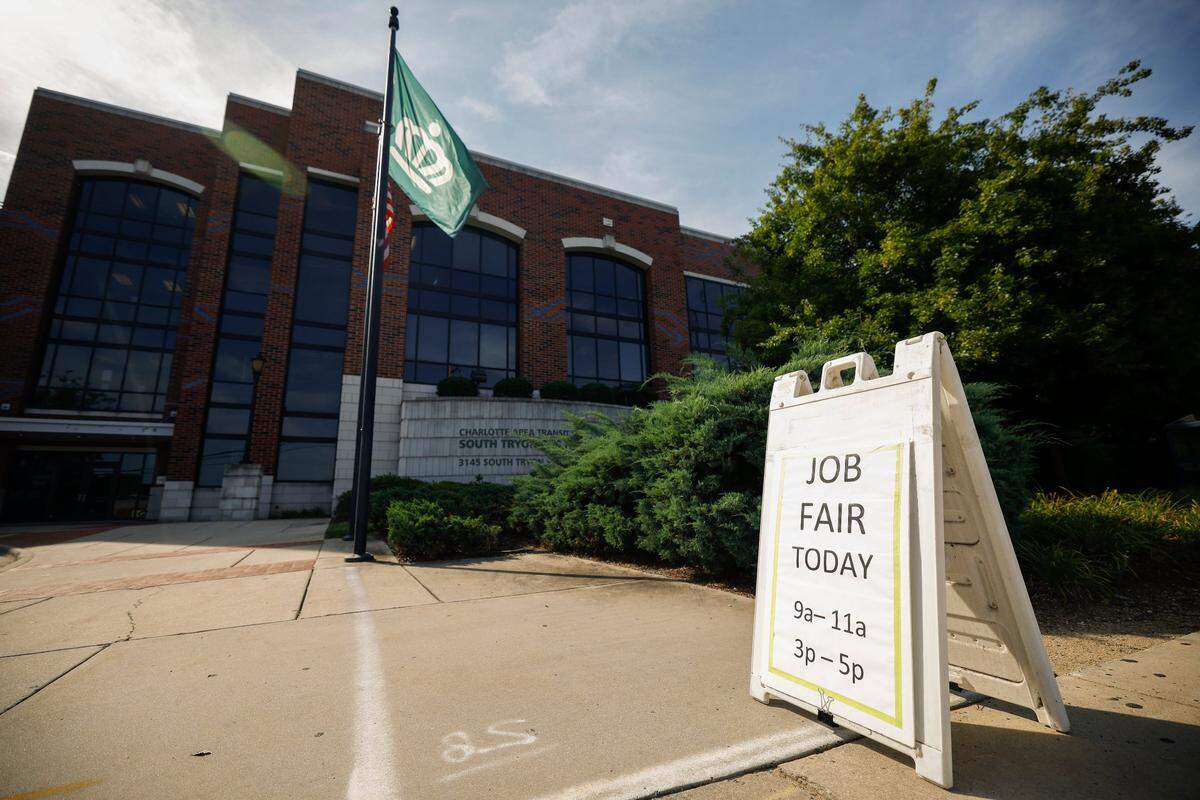
With a recession comes job cuts — Charlotte could lose as many as 30,000 jobs across all industries, Walden said.
Businesses in real estate and construction are among those most at risk during a downturn, he added, so you may see fewer cranes dotting Charlotte’s skyline.
With potential cutbacks on the horizon, it might be a good time to hold on to your current job and avoid switching roles, Walden said. You may encounter a more difficult job search or find you’re the first let go in the event of layoffs.
“There’s been so much shifting of jobs, particularly by young people,” he said. “You may have to delay those things.”
4. …But it might not be as bad as you think
The last recession many of us can remember — aside from the sharp but short-lived COVID slowdown in the spring of 2020 — was the years-long downturn triggered by the financial crisis of 2008.
But a 2023 recession would likely be much milder, Ullrich said.
“It’s called the Great Recession for a reason, right? It was really severe,” Ullrich said.
A recession still would mean bad news for Charlotte. Construction might slow and banks would see their deal-making business drop off. The city would see layoffs, especially in sectors like tech that may have over-hired over the course of the pandemic, Fullenkamp said.
But the strong economic foundation of the city and state means Charlotte would weather a downturn better than others, the economists said.
“Job searches are going to get tougher,” Fullenkamp said. “But especially in North Carolina, I don’t think they’re going to evaporate.”
Still, 2023 will be a good year to start building up your savings, if possible, Ullrich said. “A lot of families don’t have savings built up,” Ullrich said, noting that’s been even more difficult now that expenses have grown due to inflation. “But (a time like this) does really stress the value of savings.”
Most economists expect things to start looking rosier around the end of the year.
Until then, it’s best to mind your budget, be frugal where you can and remember that tougher economic times will blow over soon enough, Fullenkamp said.
“It’s going to take some lifestyle changes,” he said. “But this recession is going to be mild and fairly short. We can all ride this thing out.”
This story was originally published January 5, 2023 at 5:50 AM.