He ‘held the key’ to McColl’s master plan — and helped turn Charlotte into Banktown
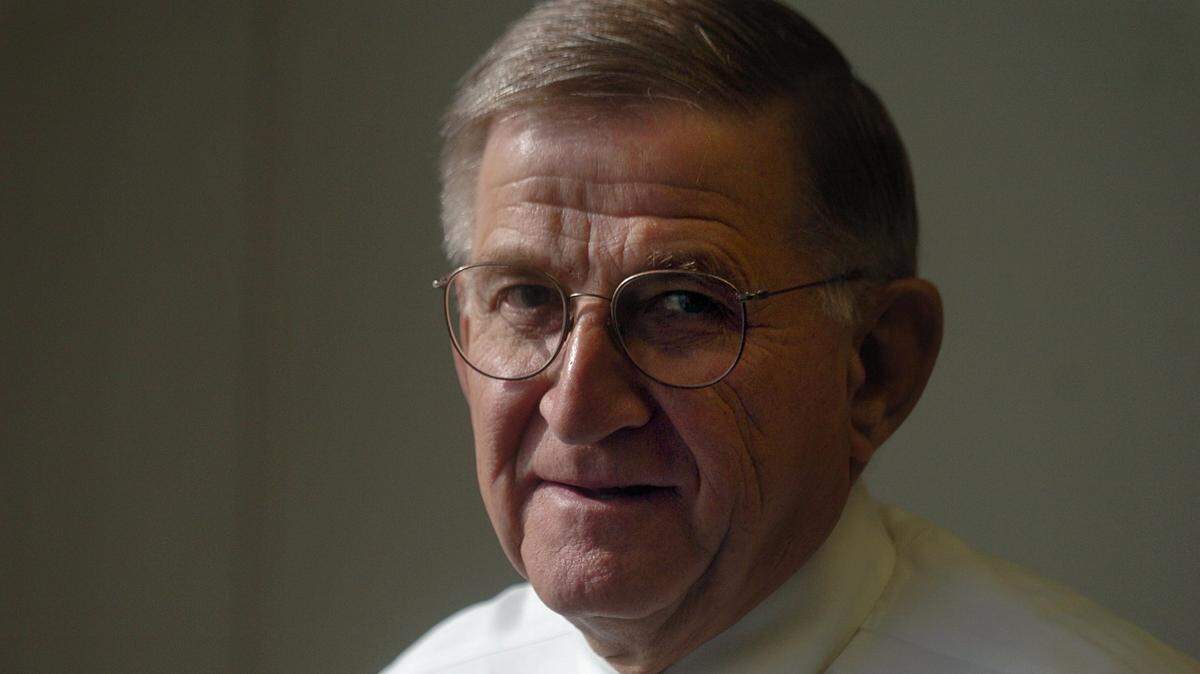
Paul Polking was the legal mastermind behind the bank that built Charlotte — something you wouldn’t have learned from a casual conversation with him.
“He was extremely modest. Perhaps the most modest person I’ve ever met,” son Paul Matthew Polking said. “He never took credit for anything. He always gave it to the team.”
As general counsel at Bank of America, Polking uncovered the legal loophole that allowed the Charlotte-based institution — then named North Carolina National Bank — to buy a small bank in Florida, kicking off a two-decade, deal-making spree that transformed the local institution into a coast-to-coast behemoth.
Outside of work, he was a lifelong Notre Dame fan, a devout Catholic and a devoted father of five who always put God and family first, his loved ones told The Charlotte Observer. He loved his work and the people around him, treating each with considerable care.
Paul Jerome Polking died Dec. 14 at Atrium Health Carolinas Medical Center from complications from lung cancer. He was 85.
Polking was born Dec. 3, 1937 and grew up in Breda, Iowa, working on his family’s farm. He attended the University of Notre Dame, served in the Navy and worked at the Office of the Comptroller of the Currency before moving to Charlotte to take a job at little-known NCNB, where he worked for more than thirty years.
“He wasn’t a man of many words,” son Patrick Polking said. “But he didn’t have to be. His actions spoke louder, and that’s how we learned from him.”
Finding the key
Polking moved to Charlotte from Washington, D.C., with his wife Joan in 1970.
“Charlotte was not the same (city) it is now. It was a much more rural town,” Paul Matthew said. “Nobody knew what NCNB was outside of Charlotte, and he was becoming established in Washington. It was a leap of faith, to move away from that and to embark on this new path.”
A quiet ambition led Polking from his tiny Iowa town to a legal career, his son Patrick said, and the same sense of promise seemed to lure him to the bank.
“It was a competitiveness and a desire to move forward,” Patrick said. “He had the vision that there were bigger and better things.”
In the early 1980s, under chief executive Tom Storrs, Polking found a way to legally purchase the Florida-based First National Bank of Lake City through a trust that NCNB already owned.
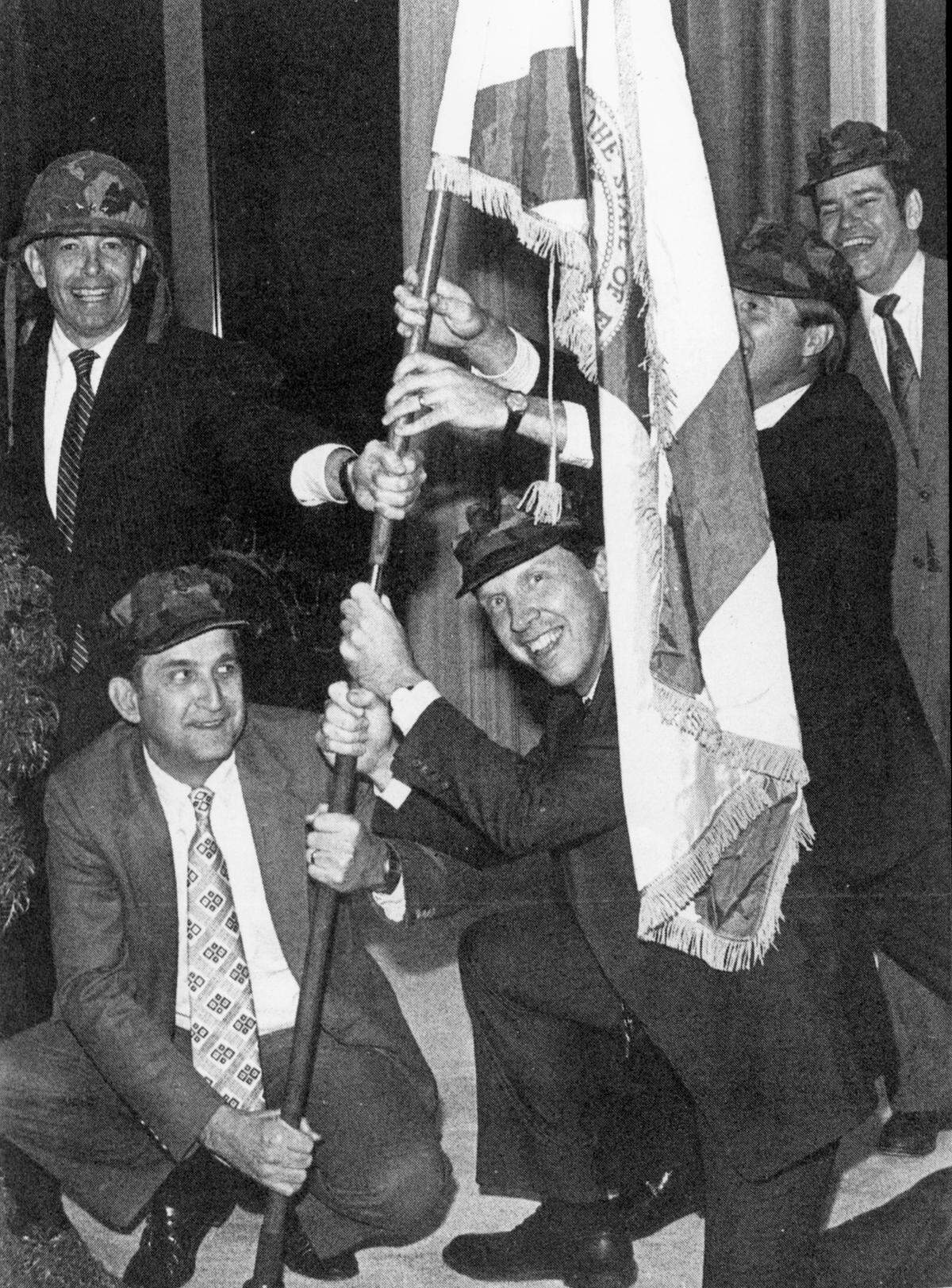
As one Observer article put it in 2004, “If Hugh McColl Jr. was the general who led (Bank of America predecessor) NationBank Corp.’s coast-to-coast expansion in the 1990s, Paul Polking was the advance scout who laid the groundwork for the invasion.”
McColl called Polking “instrumental” in getting the law changed to allow interstate banking.
“He was without a doubt the best regulatory lawyer in the United States, no question about it,” McColl told the Observer.
Polking helped ground CEO McColl’s lofty ambitions in the practicalities of banking regulation, steering the bank through the legalities of each deal with a steady, dependable hand.
”Nothing was a matter of chance with Paul,” McColl said.
Polking “found the key to unlock the gates of interstate banking in America,” said Chuck Cooley, the former corporate personnel executive at Bank of America.
“But he was also a great teammate and leader of an outstanding group of attorneys at the bank,” he said.
Under McColl, NCNB grew through mergers to become NationsBank in 1992 and Bank of America in 1998 — bringing notoriety and prosperity to Charlotte in the process.
“I think he was keenly aware of the ramifications and the ripple effect it would have on the industry,” Paul Matthew said of his father. “And (the effects) were a boost to Charlotte, unlike any city has ever seen before. When I grew up in Charlotte, it was a small town. Now, it’s a major metropolis. And it’s all because of the bank.”
A family man
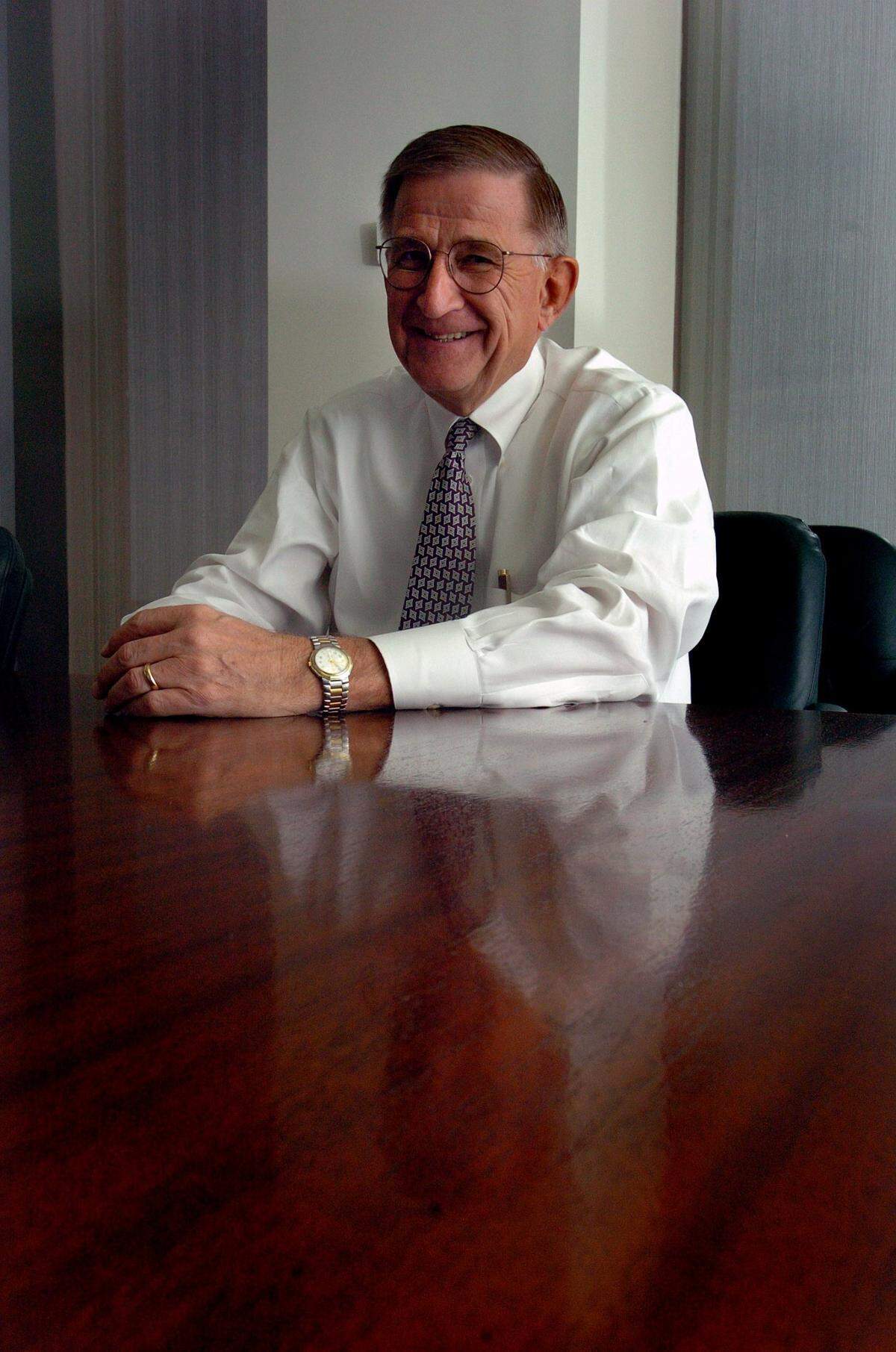
Outside of work, Polking always made time for his family, his sons said.
“You might think for a person as busy as he was that might not always be the case,” Paul Matthew said.
If he called and his father didn’t pick up at work, it meant he was in a meeting with McColl — the only time Polking wouldn’t step out to answer the phone.
Polking also coached countless T-ball and basketball teams, volunteered in his Catholic parish and returned regularly to his alma mater in Indiana, cheering on Notre Dame’s Fighting Irish at football games, his family said.
After his retirement from the bank in 2004, Polking spent more time reading, traveling and spending time with his 20 grandchildren, Patrick said.
Even in retirement, Polking remained deeply proud of the work he did at Bank of America. Just days before he died, he was still talking about his career there, Patrick said.
In an interview ahead of his retirement in 2004, the Observer asked Polking about how he viewed his place in banking history.
“Obviously, it was a lot of fun. My whole career has been a great deal of fun for me…. Where does it put me? I don’t know.” Polking said. “I’m just a lawyer who helped the company do something it was trying to do.”