What Zillow quitting the home-buying business means for Charlotte’s real estate market
Charlotte has one of the hottest real estate markets in the country, but one national home-buying company is getting out of the game.
Last week, Zillow announced that it was winding down its Zillow Offers homebuying and selling unit nationwide, citing the coronavirus pandemic, a temporary freezing of the housing market and supply chain issues that it said led to a rise in home prices at an “unprecedented rate.”
Those conditions, the company wrote in a letter to shareholders, led to “price forecasting volatility” and a decision to end the program.
Even with Zillow’s exit, “iBuying,” or instant buying, will not simply disappear in Charlotte, economists told the Observer. Zillow’s competitors in the space, like OpenDoor and Offerpad, purchase houses and sell them quickly, potentially giving them an information and data advantage in the market.
Zillow was one of a group of iBuyers that uses technology and data to make cash offers on homes. The company then renovates and quickly sells the homes, making money on transaction fees and home-price appreciation, the Wall Street Journal reported.
But some local Realtors said Zillow’s pricing model was flawed and worry that the homes owned by Zillow could end up in the hands of investors who might convert them into rentals.
In Charlotte, Zillow didn’t have a large share of the market, real estate experts and economists said, so the company’s exit shouldn’t have a large impact on home prices. And its exit could be helpful for first-time homebuyers who have one less company to compete with, one local Realtor said.
Zillow Offers
Zillow Offers started in 2018 in Las Vegas and Phoenix, and eventually expanded to 25 markets, including Charlotte.
The idea was to make the transaction of buying and selling your home smoother, alleviating the hassle of getting your house ready for an open showing or repairing it yourself, company spokesman Matt Kreamer said in a recent interview.
“It was more about trying to alleviate pain points for consumers,” Kreamer said.
It turned out to be more difficult than the company thought, as the program hinged on being able to accurately predict how much a home will sell for. Zillow used an algorithm in its “zestimates” tool to make estimates for what it would pay sellers.
Citing an analysis of sales records by real estate tech researcher Mike DelPrete, the Wall Street Journal reported that Zillow paid significantly more than Offerpad and OpenDoor for each home it purchased.
Zillow in Charlotte
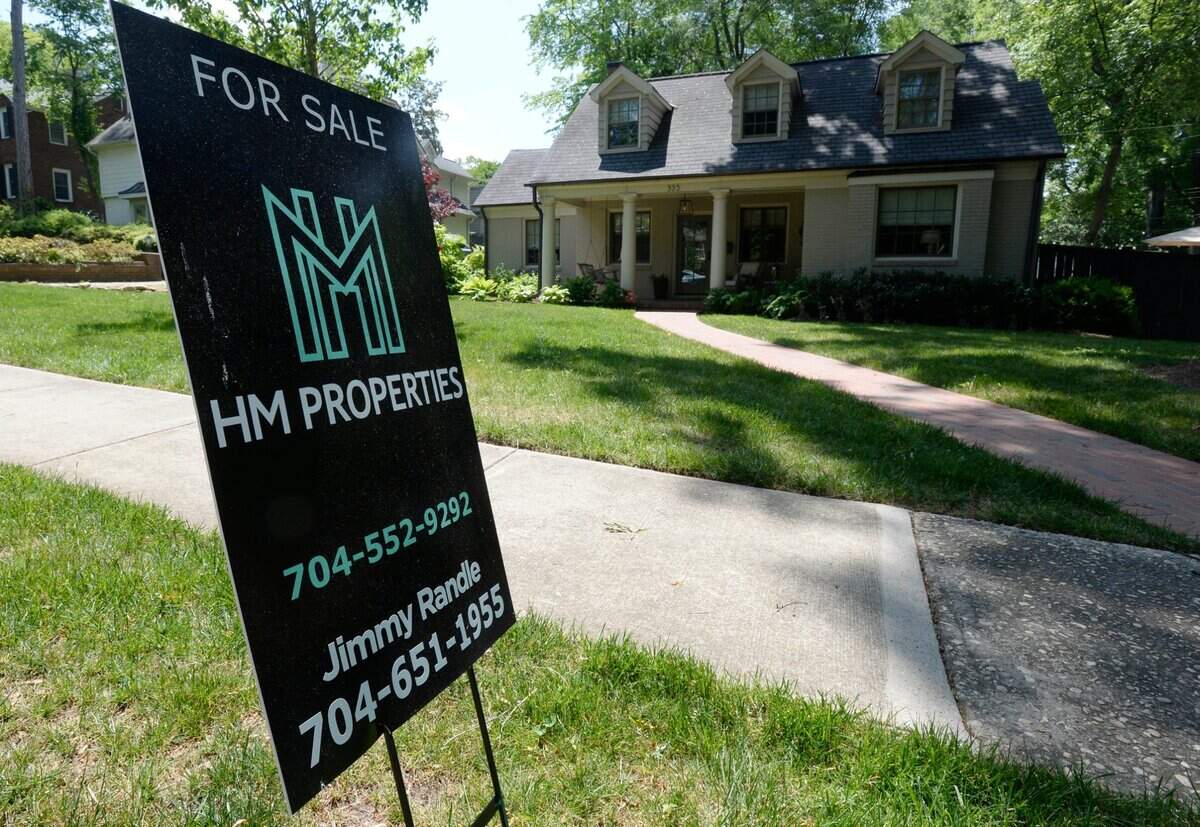
Zillow owns thousands of homes across the country, including hundreds here in Charlotte.
The company ended the third quarter of this year with 9,790 homes in its inventory nationwide and 8,172 under contract, according to the shareholder letter.
As of Tuesday, Zillow owned about 280 homes in Mecklenburg County — a combination of condominiums, townhomes and single-family houses, according to an Observer analysis of county property records.
Kreamer said there were 82 Zillow homes in the Charlotte metro area listed for sale as of Tuesday. Another 86 were pending or under contract while the remaining were not yet listed for sale.
The homes were spread out across the county, with some clusters around northeast and southwest Charlotte. The 280 homes had an average sales price of $380,000, data reviewed by the Observer show.
Local Realtors ‘combat’ Zillow
The Zillow news has been the talk of local real estate circles.
Those in the industry have been “combating” Zillow’s zestimates, the online tool used for home prices, said Lou Redbord, regional vice president for the Carolinas at Coldwell Banker Real Estate.
A zestimate, he said, might tell a seller their home is worth $340,000 when a local Realtor believes it’s really worth $300,000. That can cause issues when an appraiser comes out and finds a gap between the two parties.
Sometime the buyer will simply walk away, Redbord said, or find middle ground with the seller.
Redbord said many in the industry believe the homes ZIllow thought were worth one price ended up selling for a lower one. He’s tried talking people out of going with the Zillow estimate.
“We’ve been fighting that battle ever since (Zillow) has come online,” Redbord said.
Zillow is one of many groups buying homes around Charlotte, each with their own motives. Some buy the home, repair it to some degree and flip it. Others convert the home to a rental.
First-time homebuyers end up competing with iBuyers that typically pay in cash and above the asking price, Redbord and other local real estate experts have said.
With Zillow out of the game, the result could be helpful for first-time buyers who have one less entity to compete against, Redbord said.
There will also be more inventory in an already tight housing market.
Redbord pointed to numbers Zillow released this fall: the company bought 852 houses in Charlotte during the second quarter with an average sales price of $290,650. That was up from 422 homes the previous quarter.
Who benefits with Zillow gone?
Others are not so sure about the positive impact for homebuyers.
Jonathan Osman, a broker and owner of Tryon Realty Partners, initially thought there could be short-term relief to buyers who no longer had to compete with Zillow.
But after looking at public records on home sales, Osman noticed institutional investors were buying some of Zillow’s homes and didn’t appear to have a threshold at which they’d stop buying homes.
Institutional investors, including those backed by Wall Street firms, have bought thousands of homes in Charlotte and converted them into long-term rentals. That has worried some people like Osman because it can further tighten inventory in an already challenging housing market.
Meanwhile, Offerpad and Opendoor, not homebuyers, will benefit the most from Zillow’s departure from iBuying, Osman said.
Homes turned into rentals?
Zillow is already reportedly selling some of its homes to investment firms.
The company reached a deal to sell 2,000 homes across 20 U.S. markets to Pretium Partners, a New York City-based investment firm, the Wall Street Journal reported Wednesday.
Pretium plans to operate the homes as rentals, the Journal reported. It was not clear whether any were in Charlotte.
A group of senators — Tina Smith, D-Minn., Sherrod Brown, D-Ohio, and Jack Reed, D-RI — wrote a letter to Zillow CEO Rich Barton questioning the company’s plans to sell some or all of its housing stock to institutional investors.
“These large-scale property sales have the potential to destabilize local real estate markets and leave local buyers with few affordable options for buying a home,” the senators wrote on Wednesday. “Troublingly, these types of sales have the ability to concentrate property ownership in the hands of a few, corporate-driven, out-of-town landlords with little meaningful connection to communities.”
Citing press reports, their letter highlighted how renters of Pretium-owned properties have reported “serious flooding issues, vermin infestation, and other unsafe conditions.”
When asked about the letter, Zillow spokesperson Viet Shelton told the Observer the company intends to sell the remaining inventory the same way it always has: by selling to a variety of buyers. That includes individuals, families, individual investors and institutional investors.
iBuying will be here long term
One reason Zillow’s model may have faltered in Charlotte and elsewhere is because it was having to buy homes in markets where people weren’t having much trouble selling them, Mark Vitner, senior economist at Wells Fargo, told the Observer.
It’s also been difficult to fix homes given labor and material shortages, Vitner said. “It just didn’t work in this environment,” he said.
Despite Zillow leaving, Vitner believes iBuying will be a permanent part of the housing market.
He thinks there’s room for both real estate agents who have local knowledge and the technology side, where iBuyers can gather data over time of a city or neighborhood and learn more about prices and buying behaviors.
Vitner isn’t worried about Zillow’s departure having ripple effects on home prices locally. Zillow has said it’s not under pressure to sell off all the homes in a month, and several groups could be interested in buying their homes.
But the iBuyers approach to the housing market could be a “recipe for failure” for certain buyers or sellers, said Yongqiang Chu, director of the Childress Klein Center for Real Estate at UNC Charlotte Belk College of Business.
Chu described it as a situation in the market where buyers and sellers have different information. In the case of iBuying, a seller who might know they have a hidden problem in their home could be more inclined to sell the property quickly and get all cash from the iBuyer.
“At the end of the day, it’s going to be those bad houses these iBuyers will pick up,” Chu said.
Observer database editor Gavin Off and Associated Press contributed to this report.

This story was originally published November 12, 2021 at 6:20 AM.