How four real estate companies in Charlotte work to recruit more diverse candidates
READ MORE
Developers Breaking Barriers
Commercial real estate firms are led mostly by white men. We talk to some of the people in Charlotte who are changing that dynamic.
Expand All

Barriers still exist for Black developers in Charlotte. Meet the people changing that
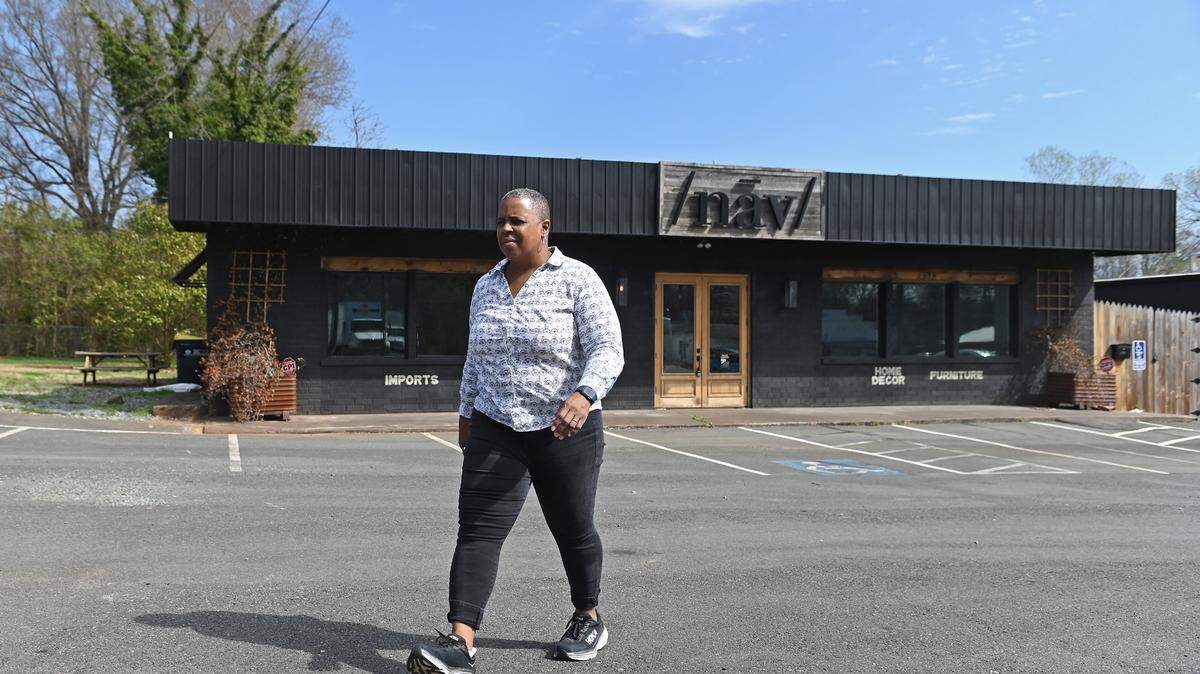
Two Black developers are helping to change Charlotte’s West End, one building at a time
How four real estate companies in Charlotte work to recruit more diverse candidates

Growth in uptown and South End sees ‘mic drop’ numbers as skyline keeps changing
The killing three years ago of George Floyd at the hands of Minneapolis police officers sparked calls for greater diversity within companies across the country.
Among the industries that started to take a look inward: development and commercial real estate. The industry is largely comprised of white people, though more people of color were represented last year compared to the year prior, according to the 2022 Global Real Estate DEI Survey.
Crescent Communities, one of the largest development companies in Charlotte, was looking for ways to address the fact that much of the real estate industry has a clear lack of minorities, said Tracy Chambers. Chambers is Crescent’s executive vice president and chief people officer.
Of 171 real estate companies in North America about 65% were majority white while 7% were Black, the global DEI survey found. The gap is wider when it comes to executive positions, which the companies reported as 82% white and about 2% Black.
Brendan Pierce, Crescent’s president of commercial development, brought one program to Chambers’ attention soon after Floyd’s killing. It’s called Project Destined.
The educational program partners with corporations, schools and nonprofits to train students on topics like financial literacy, entrepreneurship and real estate.
In early 2021, Project Destined teamed up with the Charlotte branch of the Urban Land Institute, a Washington, D.C.-based nonprofit that advocates for urban development and growth.
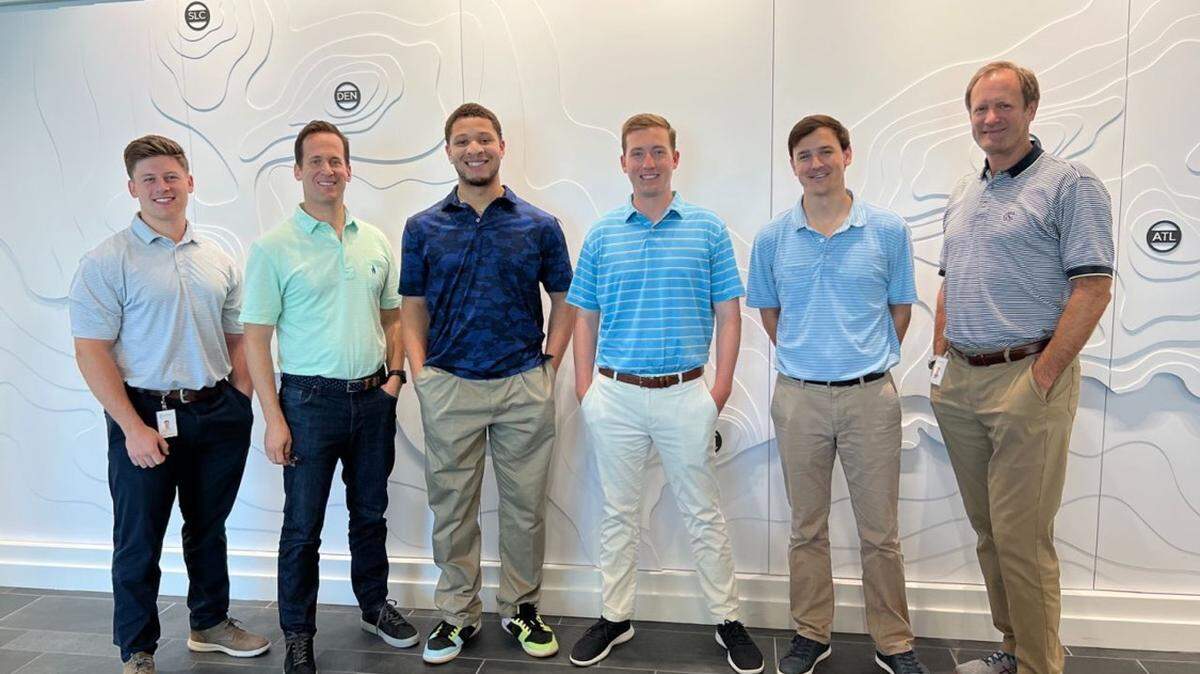
They started an internship program with four local real estate firms: Beacon Partners, Faison, Asana Partners and Crescent Communities. The idea was to partner with college students from diverse backgrounds to work on real estate deals as they happen.
Colleges like Johnson C. Smith could use the program to help create a diverse pipeline of students to work in commercial real estate development, JCSU President Clarence Armbrister said in a statement at the time.
The program is one of a handful both locally and nationally aiming to address diversity and racial equity in commercial real estate.
How Project Destined works
Since 2021, Crescent Communities has worked with 17 students from different colleges.
Each session last up to four months, where students are paired with mentors once every three weeks. Last year, students worked with Crescent from such colleges as UNC Charlotte, Winston-Salem State University, Central Piedmont Community College and Elon University.
Last year, one of the participants, Isaac Allen, was brought on as a summer intern with Crescent, Chambers said.
The program benefits both the company and the students, Chambers said. The students get real world experience and the chance to network. Crescent gets to tap into a candidate pool of students while they’re still in college.
Typically, the students work with executives at the company. They evaluate commercial real estate deals. At the end of each session, the students pitch an investment opportunity to industry leaders.
Other projects working on diversity
Similar programs exist across the country.
The Centers for Leadership Excellence was started by Bill Ferguson, chairman of the Chicago talent management firm Ferguson Partners.
The program works with 14 colleges and universities across the country, many of them historic Black universities, to connect students from racially and ethnically diverse backgrounds to commercial real estate classes.
Another program is through the Local Initiatives Support Corporation, or LISC.
LISC offers a developers of color training program in the Twin Cities, New York City and Detroit.
The program aims to build the networks of those developers and, in some cases, provide money to get projects off the ground.
The Charlotte LISC office doesn’t have the program but would like to bring one here, according to Executive Director Ralphine Caldwell.
This story was originally published March 16, 2023 at 6:30 AM.