Even after the pandemic is over, will handshakes and hugs remain a thing of the past?
Two months ago, we were still totally fine with touching each other, still saying hello and goodbye with handshakes, hugs or high-fives.
Two weeks ago, that suddenly didn’t seem so cool anymore, and many of us were playing it safe with elbow bumps, foot taps or — for the particularly skittish among us — maybe just a namaste bow. Two days ago? The closest many of us were getting to each other was via a Zoom meeting, a Google Hangout, or a FaceTime call.
Societal norms have shifted at such a blistering pace during the global coronavirus pandemic that even people who are essentially experts in interpersonal communications have been left huffing and puffing as they’ve tried to keep up.
Right before Gov. Roy Cooper ordered restaurants closed, Amanda Martinez said, “I had gone to lunch with two mentees, and afterward — when we parted ways on the sidewalk — I knee-jerk reaction hugged them. I was instantly mortified ... because I thought (gasps), Oh my God, A, I hope I don’t have it. B, if I have it, did I just spread it to these two junior colleagues of mine?”
“I think,” says Martinez, an associate professor of communication studies and sociology at Davidson College, “that we’re really eager to get life back to normal.”
But will “normal” life include hugs and handshakes, once we return to it? It’ll almost certainly be safe again, at some point, to go back to touching one another when we greet them. But will we want to? Or will Life After The Coronavirus (as far as greetings go) be all about jazz hands, peace signs and air high-fives?
We assembled a panel of professionals to talk about the ways in which we’ve greeted each other traditionally, how that’s been upended, and whether or not the future of salutations is, if you’ll pardon the pun, in our hands. The panel includes Martinez, who has taught courses in non-verbal communication; Rachel Austin, a sociology lecturer at UNC Charlotte; and Aimee Symington, a Davidson-based etiquette expert and CEO of Finesse Worldwide.
How did shaking hands become a thing?

Symington: “It actually started (in ancient Greece) as a way for two people to show each other that they weren’t holding a weapon. When you extended your hand, your sleeve pulled up, so you could actually see if someone had a weapon, and then the other person would extend their hand, and you would look to see if they were holding a weapon. So it’s interesting that the way that it was started was to try to avoid someone being killed or being hurt, but now, with this virus, you don’t do it to try to avoid someone getting sick.”
Why do we shake hands today?
Obviously, it’s a friendly way to greet someone we know, or a polite way to meet someone for the first time. In either case, but particularly in the latter (and particularly in a professional setting):
Symington: “When you’re shaking hands with someone, you’re trying to convey confidence and warmth, because those are the two attributes or behaviors that really make somebody likable. If you’re shaking hands with a firm handshake, and you’re looking the person in the eyes, that shows confidence. If you’re also smiling at the person, that shows warmth. If you do all those things, that makes a great first impression and really helps you make a strong connection.”
How about hugs?
.jpg "_DSC3193-Edit (1).jpg")
Austin: “There are changes that happen within your brain and your body when you hug somebody, and make you feel better. If you hug somebody for a certain period of time, just that skin-to-skin human contact can release feel-good chemicals in the brain — which reinforces why we might want to do it. That would be like a psychological perspective. But sociologically ... it reinforces and conveys that there’s a meaning between these two people — that the relationship these two people have holds some bearing, whether that’s professional, familial, friendship, romantic, all of those sorts of things.”
Then all of a sudden...
Martinez: “It got just ripped away from us so quickly. So we’ve been forced to abruptly make adjustments. And I’m hearing from a lot of students, and friends, and family members, that this is really challenging, because we didn’t realize the extent to which we just casually touch each other or interact with each other in ways that we don’t even think about when we don’t have to think about them.”
What’s the best way to dodge a hug or a handshake?
If you’re out on a grocery-store run, and you see someone you know, and they surprise you by trying to come in for a hug (yes, there are still a smattering of people who will do this):
Symington: “Put your hands up, and sort of say like, ‘Oh, I’d love to shake your hand, but ... just trying to be safe!’ Or something like that. Or as they’re approaching, say, ‘Hey, let’s do the coronavirus shake,’ and put out your elbow, or your knuckles. Because what’s difficult is — when someone does go in for the shake, or they go in for a hug, and you have to recoil — trying to make that moment of awkwardness of them forgetting feel less awkward. Making people not feel bad or awkward is the whole goal with etiquette.”
Where do we go from here?
Austin: “This came on very quickly ... so people will take awhile to adjust to, say, doing the elbow thing. And it might not be something that sticks around. I think that largely is going to be determined by the course of this pandemic, and how necessary it’s going to be to continue to not shake hands or hug people going forward. But there are certain things that happen within cultures that create new ways to gesture to one another that have endured — like the dap, for instance ... the handshake where you put your fist on top, then your fist on the bottom, then one side of your hand, then the other side of your hand, and then you clasp. It was something that African American servicemen developed as a gesture of commonality and solidarity during the Vietnam War, and it’s carried forward and is now something that’s really culturally ingrained.”
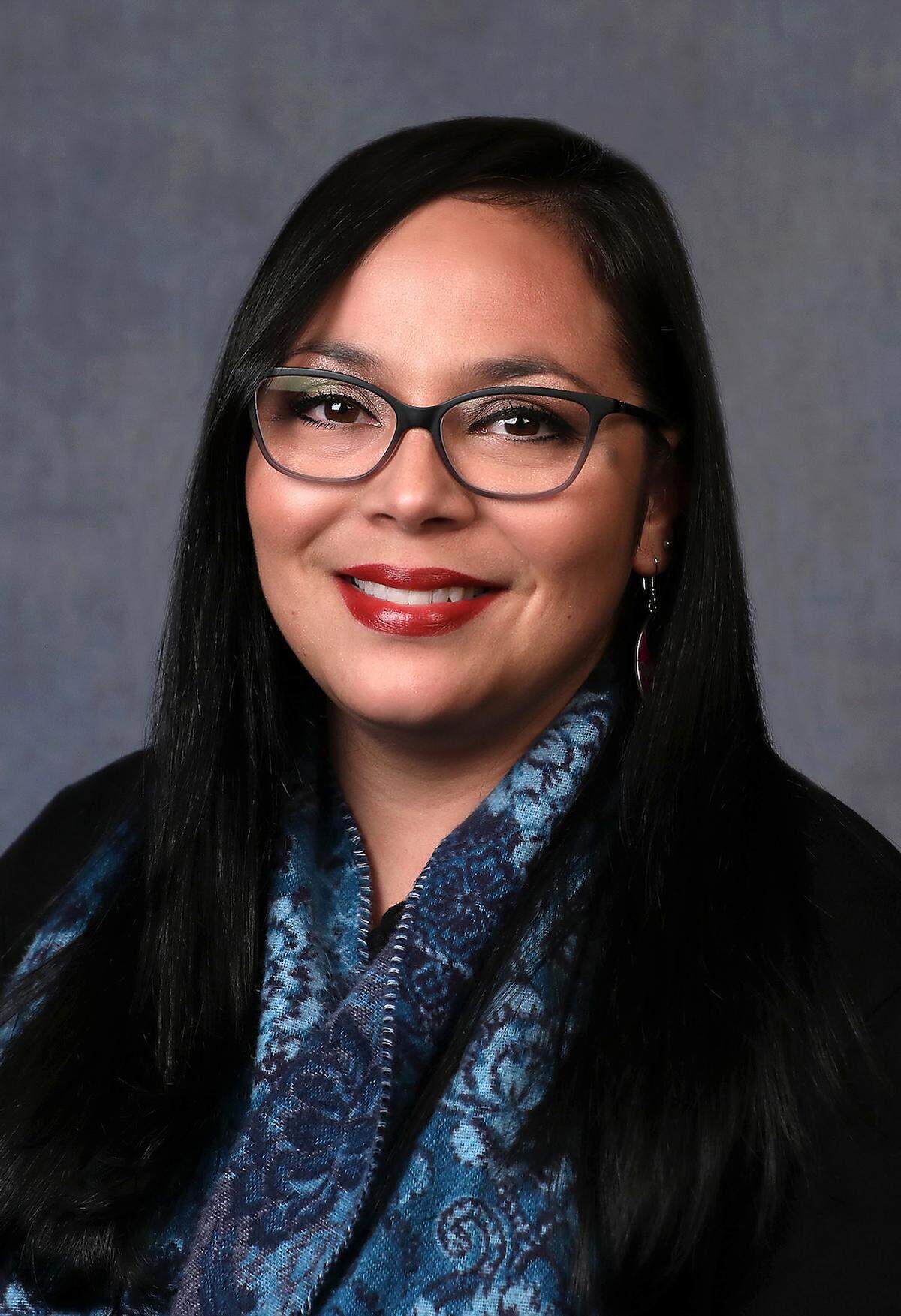
Martinez: “I don’t think these kinds of things — hugs and handshakes — will just go away forever. Although ... I guess if this lasted a really long time, then there might be a development of a whole new set of social norms around proxemics. I could maybe see how for younger people, if they grow up in a pandemic era and only know a world of social distancing, it might be weird if it lasted a long time and then things came back around. They might be like, ‘Why are we all of a sudden more touchy?’ But I think it’s so ingrained in us to be social creatures that I really feel like we’ll bounce right back into it and be really happy about it. It’ll do a lot for our overall well-being — for our mental and emotional health — to be able to go back to the way things were.”
Austin: “All cultures change. And that could be reflected in hand gestures and hugging and touch. But as to how long that would take to really take root, to develop a new norm — I mean, for instance, to go from shaking hands to bowing to each other. That would take some time to be rewritten into the cultural code. But it’s certainly possible ... right?”
This story was originally published March 25, 2020 at 6:00 AM.