He’s stuck, possibly for months, at a Peruvian hostel gripped by coronavirus fears
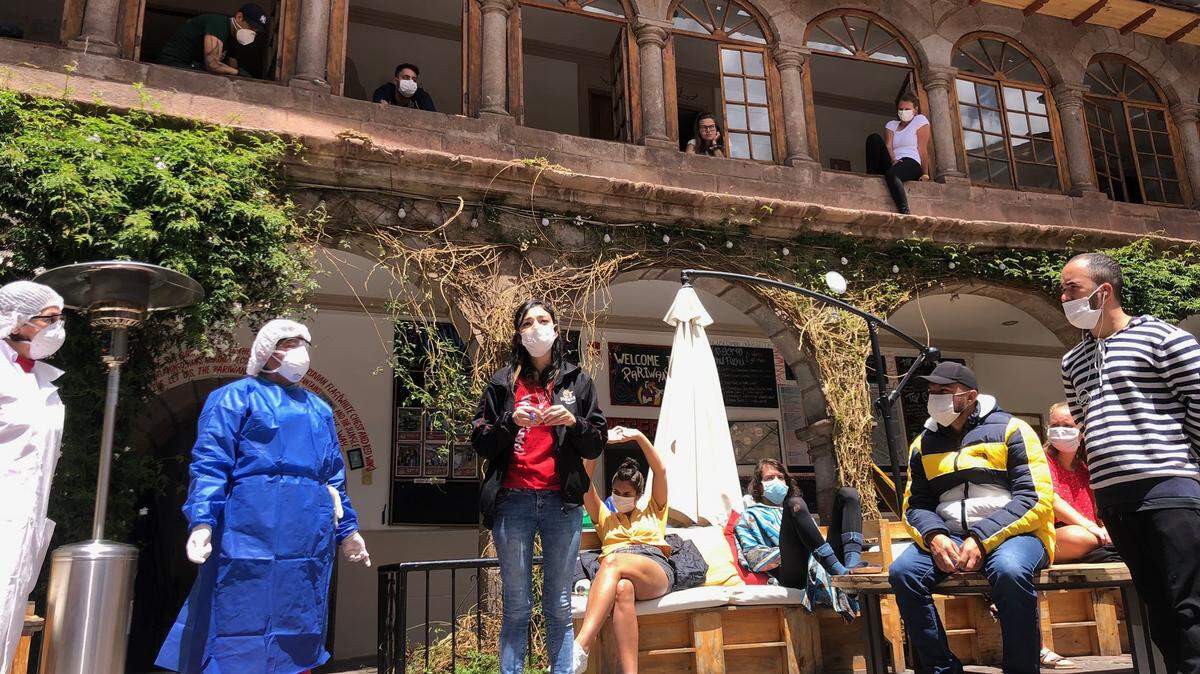
Until three weeks ago, the worst thing that had happened to Matt King in the six months since he embarked on his solo backpacking adventure — which has taken him through Central and South America — was the ruptured eardrum he suffered while free diving off the coast of Panama.
But after arriving at the Pariwana Hostel in the mountainside Peruvian city of Cusco on March 9, the Charlottean’s dream trip progressively turned into a nightmare due to the coronavirus pandemic.
Now, King assumes, “everyone at the hostel has it.” And he and the 120 others being quarantined on the property have been told they might not be able to leave for up to three months.
Here’s how it all unfolded, from his perspective:
On March 15, Peruvian President Martin Vizcarra declared a state of emergency due to the coronavirus, and ordered the closing of all land, sea and air borders. At the time, the country had reported fewer than 100 cases of COVID-19, but the government was looking to stamp it out, and after the declaration was allowing people out only to get food or medicine.
Naturally, those at the hostel assumed they were stuck there for the time being.
Two days later, though, officials issued an updated travel advisory that said air travel would resume to return foreigners to their home countries. The problem was, demand was high — thousands of Americans were in similar situations — and flights were scarce, as airlines were canceling them left and right by then.
And because the hostel had made it clear that anyone who left would not be allowed to return, more than a hundred guests hedged their bets and stayed put, for fear of making it all the way to the international airport nearly 700 miles away only to learn there was no chance of getting out anytime soon.
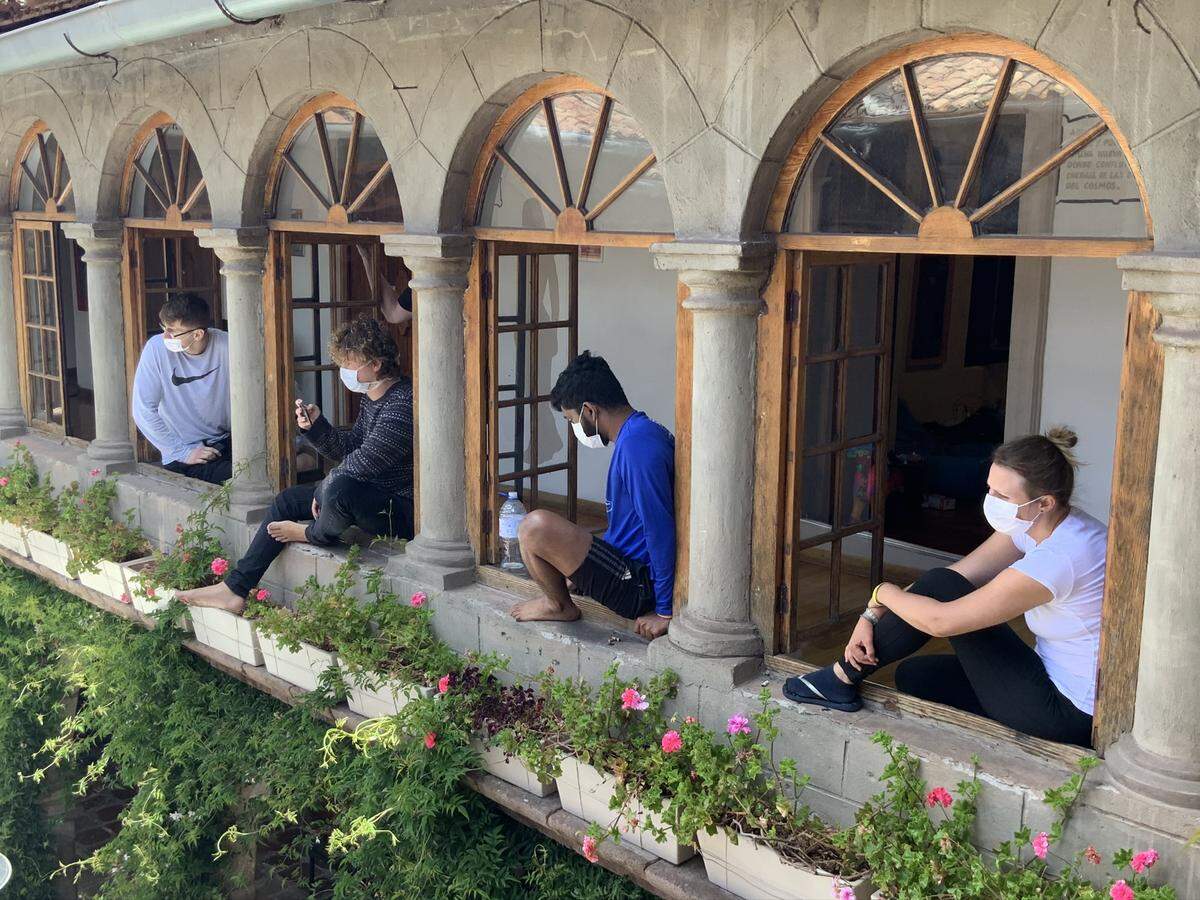
Then this past week, King says, all the guests at the Pariwana got some very bad news: A traveler who had been repatriated to Mexico after staying at the hostel sent word that he had tested positive for the coronavirus. Shortly afterward, two other current guests submitted to tests that came back positive.
The remaining guests were told a strict internal quarantine would take effect immediately.
A reporter for The Guardian, a British newspaper, on Thursday tweeted a video recorded by Pariwana guest Alex Foulkes in which a man can be seen telling a crowd in the hostel’s courtyard that the quarantine “can last from one month to three months.”
King, 26, says no one is allowed to leave the premises, and that guests technically aren’t even allowed to leave their rooms except at mealtimes. He shares a room with nine other people, and “we are all showing symptoms” of the coronavirus.
Meanwhile, he says, the two guests who tested positive are prohibited from leaving their rooms at all; meals are brought to them.
So, while he’s certain he has COVID-19, he says he won’t be getting tested.
“No one here wants to get tested, because if you test positive for the virus they will quarantine you in an enclosed room, with no window, and will not let you out for two weeks. ... It’s like solitary confinement.”
(King, who had been traveling alone since starting his trip in Costa Rica six months ago, is a 2012 graduate of Lake Norman High School and a 2016 graduate of UNC Charlotte. He’d been living in Southend and working as an estimator at a commercial HVAC subcontracting firm in Charlotte for 2-1/2 years when he quit to travel the world. He was near the end of his time in South America and was set to head to Asia next, for another six months, before the coronavirus squashed those plans.)
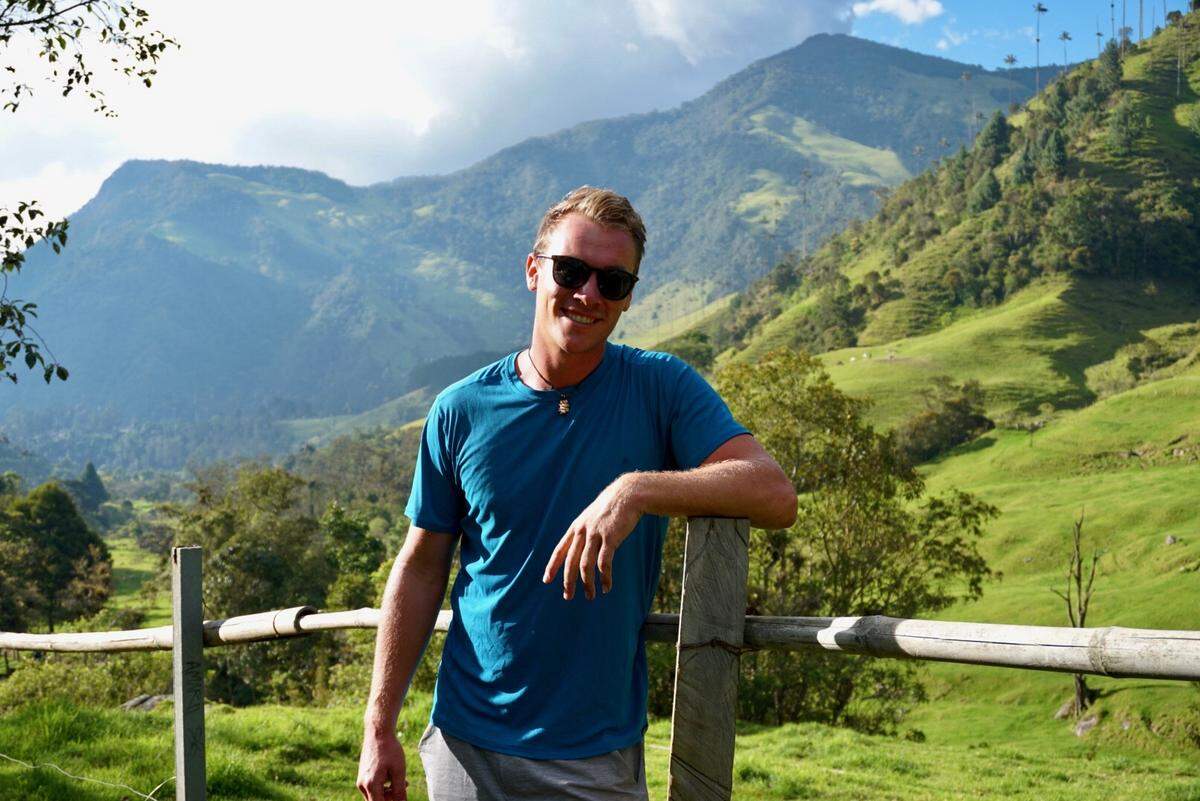
To give you an example of how seriously authorities in Cusco are regarding the Pariwana Hostel as a hot zone, consider this: King says a few Americans tried to leave on Sunday morning, because they managed to purchase flights back to the U.S. Local police drew their weapons on them, he says, and forced them back inside. According to an Australian newspaper, another guest spent more than $5,000 on a ticket back to Australia before being told he couldn’t leave the property.
King says four to six guards are posted near the front gate at all times.
It’s the little things, too: King says that after a Swiss guest spit off the balcony on Saturday, a sanitation truck immediately moved in and a worker cleaned up the spot.
Otherwise, he says, the street in front of the hostel is closed to both vehicle and pedestrian traffic.
All things considered, King sounded like he was in good spirits when he spoke to the Observer on Sunday.
“We’re all world travelers and we’ve all been in (bad) accommodations before and (bad) situations, and on long bus rides,” he said. “I mean, if there’s anybody who can take on being stuck in a hostel for 40 days and not really complain that much about it, I think it’s the people that I’m surrounded by.”
But the news of the plight of the Pariwana’s guests has been spreading around the world, and not everyone seems to be taking it as well.
“This is inhumane treatment and has left us feeling incarcerated with no hope of any way home,” Greg Bestavros of Canada, who is stuck there with his fiancee, told the Toronto Star last week.
“The news that we could be trapped here for three months is devastating,” said Foulkes, the British citizen who recorded the video, in an interview with The Guardian. “It feels like being in prison. We literally just have beds in our rooms and the bathroom is shared by dozens of travelers. I’m not sure how we’ll cope with being confined to our rooms for the next three months for 23 hours a day.”
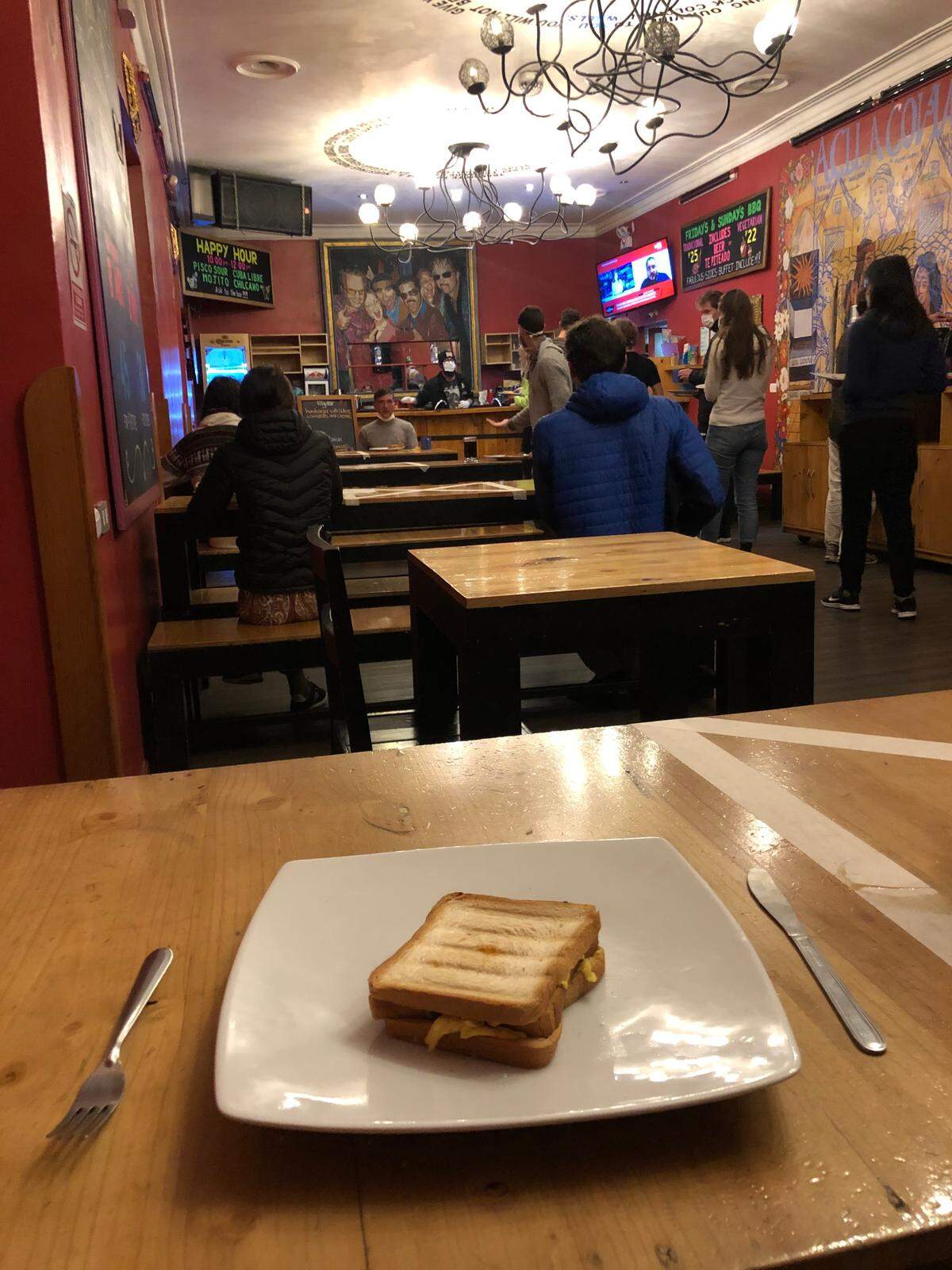
King says they’re actually able to be out for longer — as much as three to four hours — by lingering at meals, but that the meals are getting less appealing by the day as the staff at the hostel has dwindled. Quinoa, bread, oatmeal, eggs or tomatoes are pretty much the only options left, and the menu has sometimes been the same at breakfast and dinner.
Meanwhile, everyone’s trying to appeal to their embassies and their home country’s government officials, and so far, no one’s having any luck.
Says King: “The best thing I’ve heard so far from the embassy and the senator (Sen. Thom Tillis’s office) was, ‘We’ve gotten people out of much worse situations. Don’t worry, it’s just gonna take time.’”
He’s been in regular communication with his parents, who still live in Mooresville, but there’s little more they can do beyond what King has tried.
And since he does indeed think that getting on a plane is a terrible idea at the moment, given the confirmed cases at the hostel, he’s fine with staying put. For now.
But “anything past a month,” he says, and “I think people will start getting really pissed.”
“That’s my biggest fear is having to stay here for three months. Because as of right now, Peru doesn’t face any consequences for keeping us here for three months. I mean, if someone has a temperature on Day 25, why would they say, ‘Let them leave’?
“So all we can do is wait patiently, keep in contact with the embassy and let people know what’s going on here — like I’m doing right now.”
This story was originally published March 30, 2020 at 6:00 AM.