Coronavirus has changed but not stopped the work of this trio of trauma surgeons
READ MORE
Meet more of Charlotte’s health care heroes
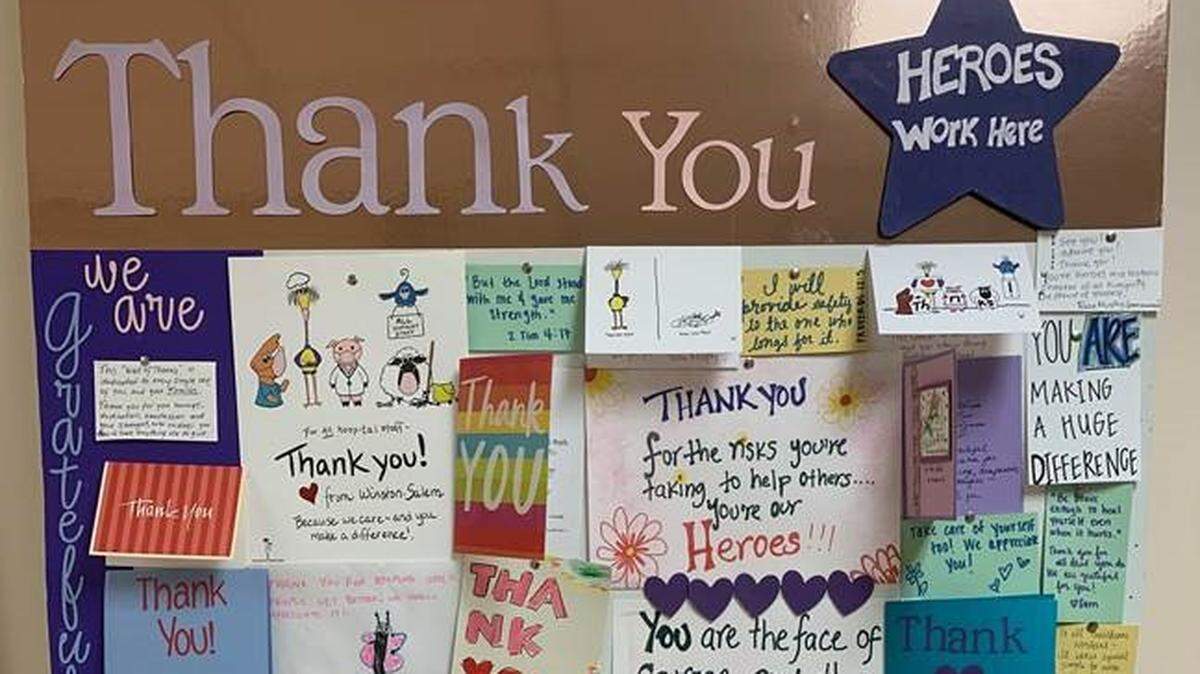
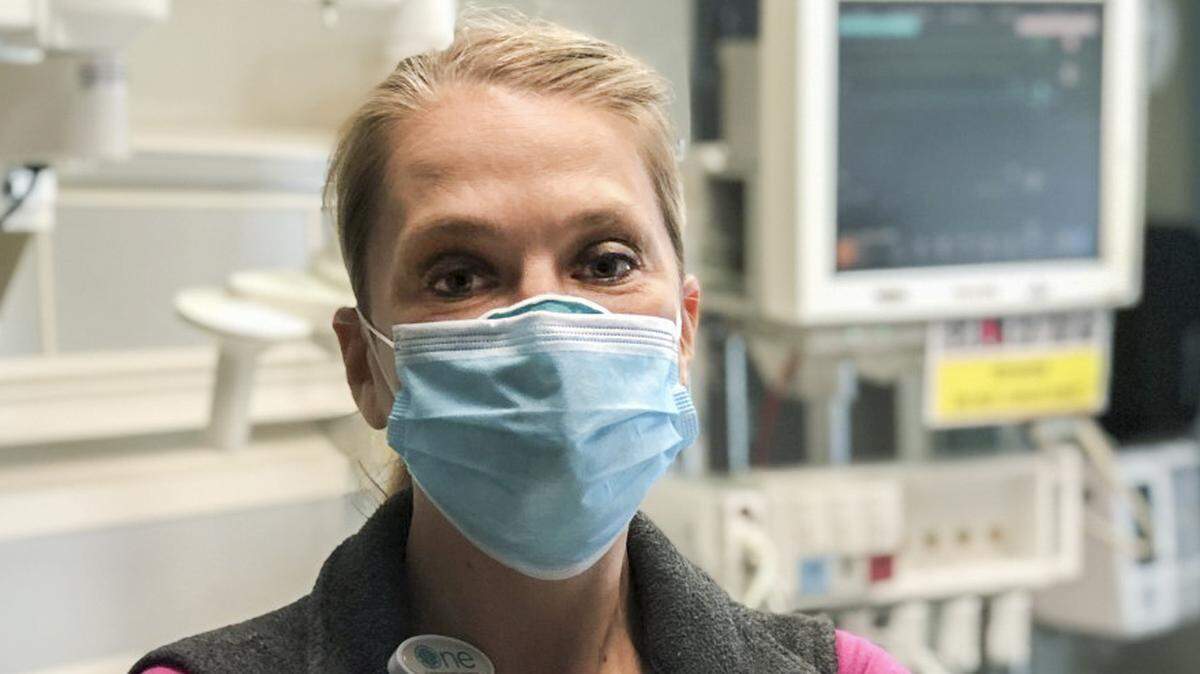
We’re sharing the stories of health care heroes in the Charlotte area who are helping to make a dent in the fight against COVID-19 — while making a difference in the lives of patients and their families.
Expand All
Trauma doesn’t stop for a pandemic.
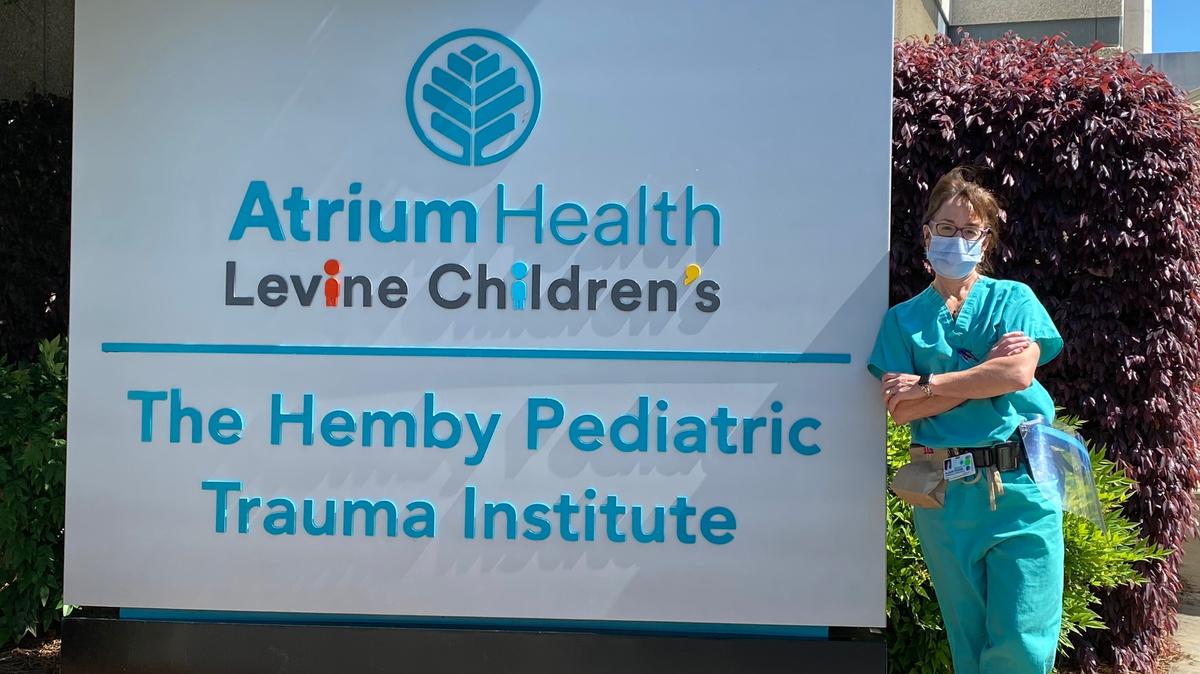
For three Atrium Health trauma surgeons, many aspects of the work have changed during the COVID-19 health crisis but the need — whether it’s treating patients with injuries from car crashes, gunshot wounds or a burst appendix — has not.
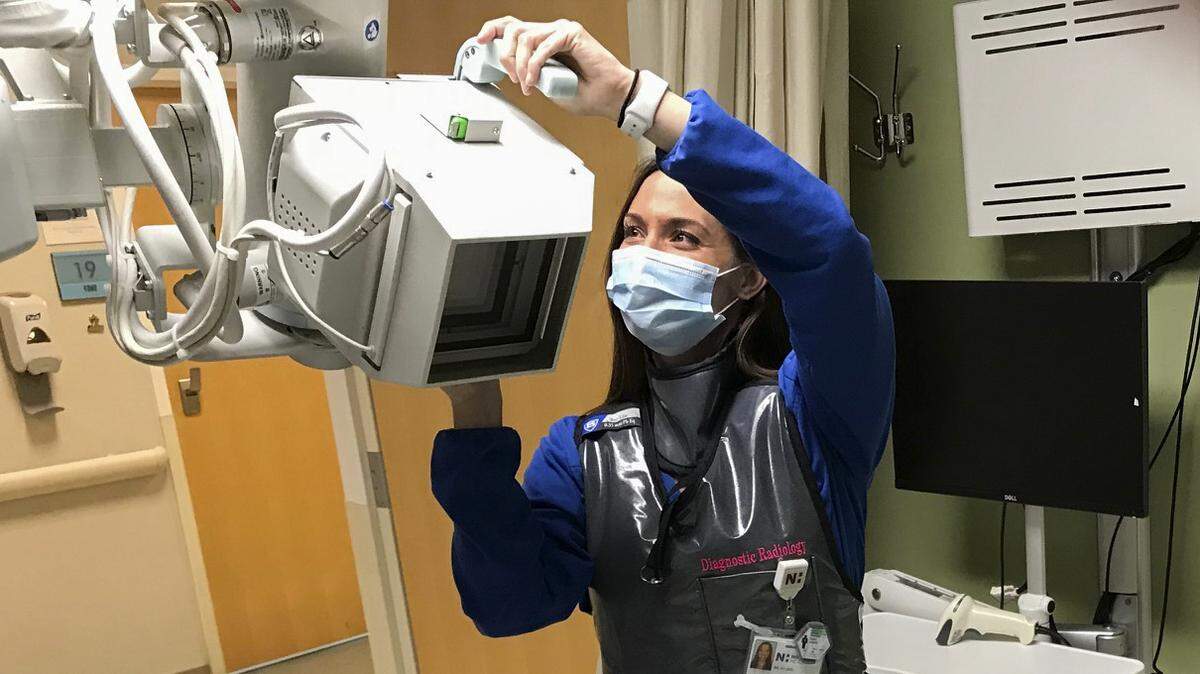
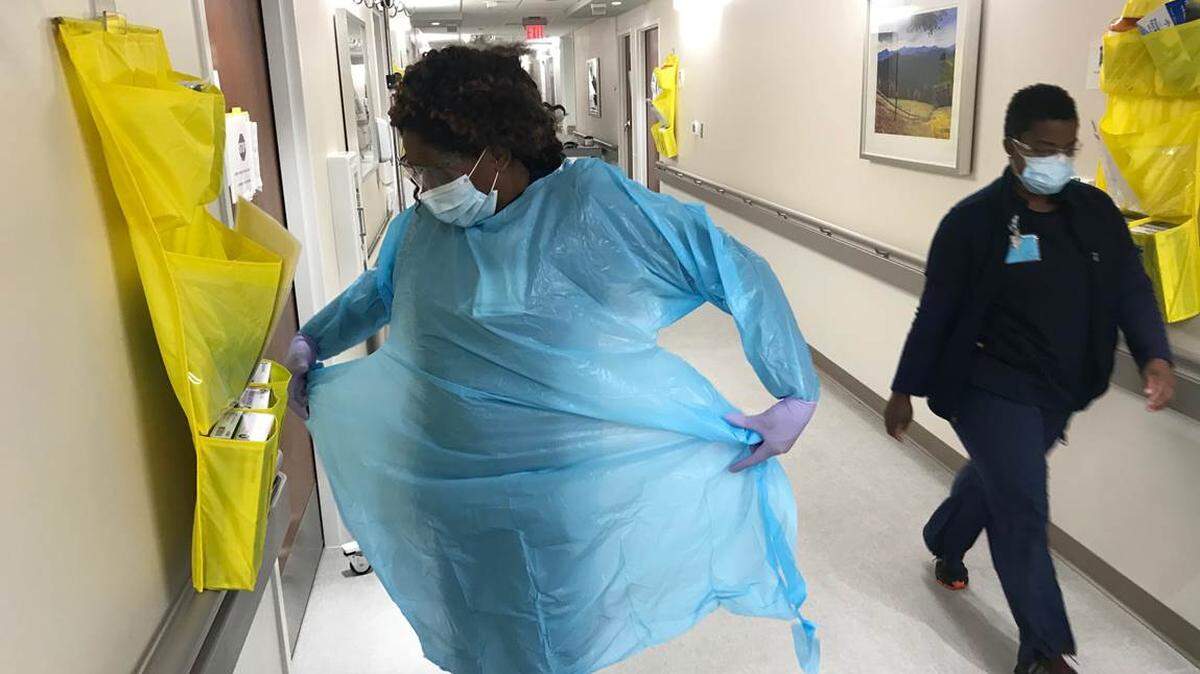
But the pandemic adds extra complications to already urgent cases, as physicians care for critically ill and injured patients while taking precautions to avoid spreading the virus and keeping families connected despite visitor restrictions.
“Anyone who comes in the door really is a big question mark whether they have COVID or not,” said Dr. Samuel Ross. That’s meant using more personal protective equipment than what’s already typical for scrubbing in for surgery.
“I’m thinking about their main problem (and) also, in the back of your head, do they have this virus as well?” he said. The question struck him recently as he surgically inserted a breathing tube into a patient.
“That was one moment where it gave me a half-second pause,” said Ross, 36.
Connecting with patients’ loved ones is an essential part of the work, Dr. A. Britton Christmas said. Instead of informing and comforting families in person, they’re making phone and video calls.
“It’s not only difficult for the families, but it’s also very difficult for us,” said Christmas, 45. “We realize the severity of how critical some of these patients are and know how difficult it is to speak with family members who can’t be at (their) bedside.”
The calls also help patients’ recovery, said Dr. Susan Evans, 49, who said loved ones can make a big difference.
“The patient gets boosted,” she said of connecting through video chat. “They get that uplift when they get to see their family members.”
The three described their draw to trauma surgery as a mixture of the desire to problem-solve and to be in the middle of the action with some of the sickest patients a health system treats.
Christmas switched to medicine after deciding against following his banker father into finance. Evans described herself as “a jack-of-all trades” who likes working with her hands to fix things.
Ross, whose grandfather was a physician, became interested in medicine after watching a surgery during a “take your child to work” day with his mother, a nurse anesthetist. It’s the type of work that doesn’t slow down, especially during a global pandemic.
“That (care) still has to be dealt with whether there’s a shutdown or not,” Ross said. “People have voiced being very grateful for what we do as a discipline … so that’s been excellent to see.”
%20Cropped.jpg)