
MLK III in Charlotte: Longtime Black leaders need to pass torch to young activists
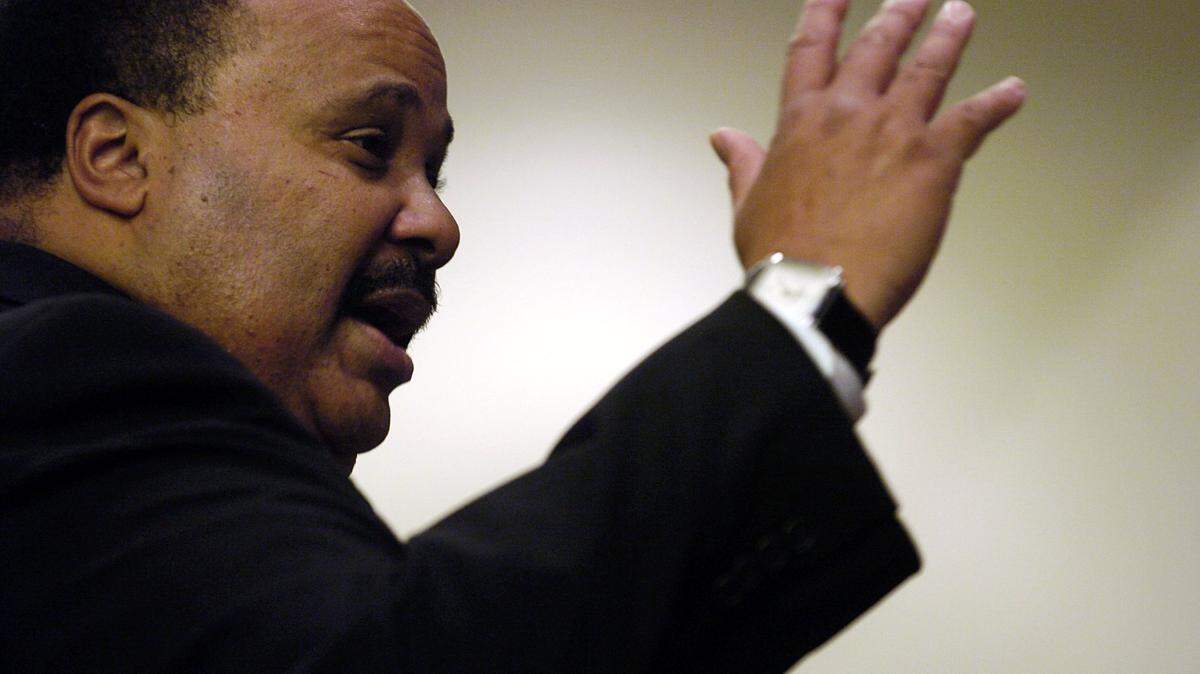
As a new generation of young Black activists rises, Martin Luther King III has a message for some of the older leaders of the Black community: “We don’t know when to hold and when to fold.”
“We really do need to build new leadership, work with them, and ideally pass the torch,” King said in a prerecorded broadcast online in Charlotte Monday on the federal holiday honoring his father, the late Rev. Martin Luther King, Jr.
“We’re not doing enough leadership training,” he said.
King III, the eldest son of Rev. King, spoke at a holiday webcast hosted by the YMCA of Greater Charlotte that was also a fundraiser for the McCrorey YMCA. The McCrorey YMCA was opened in 1936 in northwest Charlotte as a YMCA for the Black community in then-formally segregated Charlotte.
The civil rights activist spoke on a number of subjects in a webcast question-and-answer session with a number of Charlotte leaders, including executives from Coca-Cola Consolidated, Fifth Third Bank and Novant Health.
The remarks come as Black communities across the country reckon with the succession of a generation of elder activists, many of whom idolized Rev. King, by a younger generation of leaders, many of whom rose to prominence in the wake of the police killings of people of color over the last decade.
“I’ve always felt that it was important to work and train young leaders, but we also need to be engaged in passing the baton, so that young people, in the appropriate way, assume leadership,” King III said.
Healthcare crisis
King also spoke at length about the health crisis ongoing in Black communities exacerbated by the COVID-19 pandemic. Black communities, including those in and around Charlotte, have been harder hit by both the virus itself and the economic impact of the virus, which saw people with lower-incomes much harder hit than high-earners.
“Because our community often times are the front-line workers, that means we are exposed at higher levels to the prospect of getting the virus,” he said, responding to a question asked by Novant Health’s Dr. Jerome Williams. “If we are the ones who are impacted the most, then we also need to get a larger share of the systems and support.”
Since the earliest days of the pandemic, Black areas of Charlotte have seen higher case loads and deaths from COVID-19. Additionally, a longtime lack of investment in healthcare infrastructure in Charlotte’s Black community may have impacted outcomes. Many Black people are leery of a COVID-19 vaccine, too — in part due to the long history of abuse, discrimination and mistreatment that Black people have faced in the U.S. medical system.
King urged the incoming administration of President-elect Joe Biden to focus on expanding access to healthcare. King supports guaranteeing healthcare coverage to all in the United States.
“In the Unites States of America everyone should be able to have the best healthcare. There’s something wrong with our system as it relates to healthcare and particularly healthcare for the poor and for communities of color,” King said. “It’s my hope that this administration not only understands this issue but focuses heavily on it.”
This story was originally published January 18, 2021 at 11:57 AM.