
COVID task force offers recovery solutions for Mecklenburg’s marginalized communities
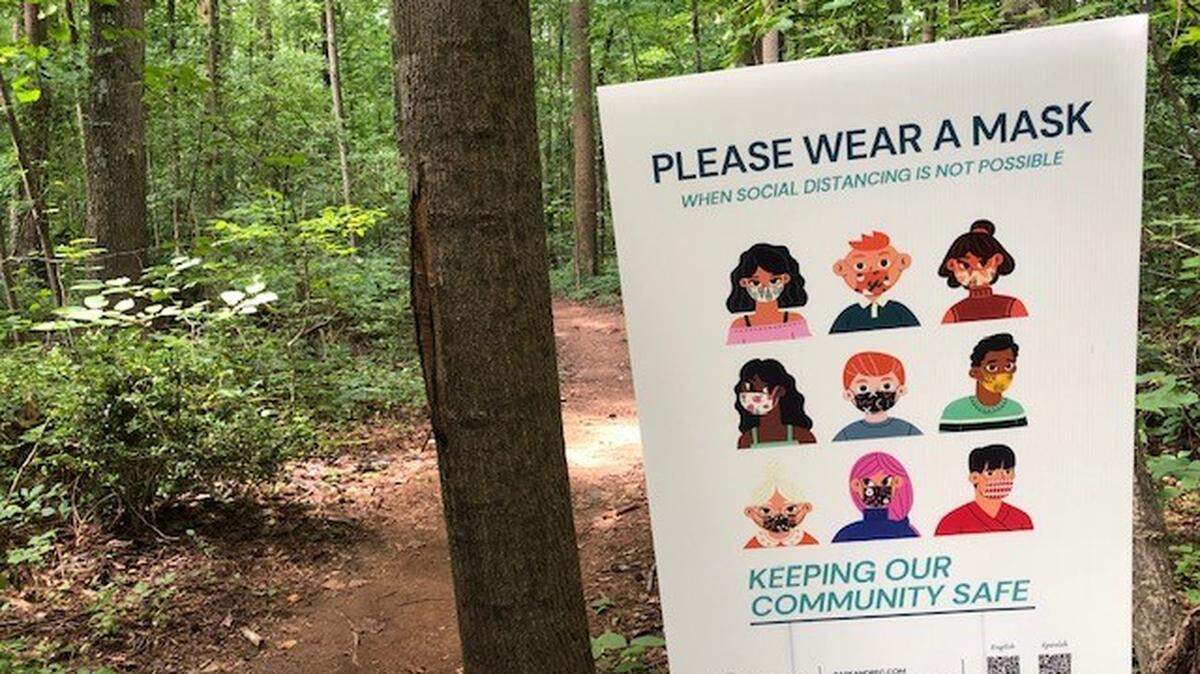
A local coronavirus advisory group has unveiled dozens of new recommendations to help remove equity barriers for marginalized communities as Mecklenburg deals with the myriad hardships wrought by the pandemic.
Mecklenburg’s COVID-19 Recovery and Renewal Task Force is focusing on healthcare, economic mobility, affordable housing and other areas. The group is holding a series of virtual town halls this month on its proposals, before seeking approval of them from county commissioners in September.
The task force, which was created in June 2020 by the commissioners, will then determine timelines to implement recovery strategies and monitor progress.
The 26-member group was led by Victoria Avramovic of Cardinal Innovations Healthcare — the managed care organization that Mecklenburg just broke ties with — and Dr. Jerome Williams Jr., senior vice president of consumer engagement at Novant Health.
”The inequities in the crescent are more than just healthcare,” Williams said during a town hall Tuesday, referring to a band of high-poverty neighborhoods in east, north and west Charlotte. “Many of the inequities that we see in the crescent ZIP codes lead to poor health outcomes.”
The task force also included community advocates, educators and county employees.
“As we recover and renew, we are in a moment of profound and long-lasting change,” the group’s proposal states. “This is a moment to help those in need right now, and to also seize a chance to address inequities and injustices that have been a part of our history for too long.”
The nearly 50-page report does not include any price tag for the strategies, although the task force notes some ideas are supposed to bolster programs underway in Mecklenburg — some of which already receive funding from the county.
This is not a “return to business as usual,” Williams emphasized.
He said some funding could be drawn from Mecklenburg’s latest tranche of federal COVID relief money. The county is expected to receive $215 million from the American Rescue Plan, Williams said.
Here are some of the strategies that could shape Mecklenburg after the pandemic. For a complete list, visit Mecknc.gov/COVID-19/Pages/Taskforce.aspx.
Health information
The task force wants to reduce or eliminate healthcare disparities, for both medical and mental health concerns. And that starts with empowering people with information, the task force report states.
”Limited understanding of important health topics such as symptoms, diagnoses, treatment, management, and prevention drives distrust and hesitancy within the community, especially of available tests, treatments and vaccinations related to the COVID-19 virus,” the report says.
Some recommendations to combat misinformation or miscommunication include:
▪ Create a comprehensive health communications and community outreach/engagement program.
▪ Recruit local artists to create healthcare messaging.
▪ Expand the county’s COVID-19 ambassador program — used throughout the pandemic to boost compliance with capacity and masking restrictions — into an epidemic prevention ambassador program.
Transportation barriers
Some county residents lack dependable or convenient transportation to get to medical appointments. Others struggle with the financial costs of missing work to access healthcare.
To address these types of challenges, the task force recommendations include:
▪ Deploy mobile healthcare clinics. The task force envisions monthly clinics that provide health information, hygiene and first-aid kits, basic screenings, vaccinations and exams.
▪ Create a “Health Transportation Service” by partnering with Atrium Health, Novant Health, CATS or other agencies.
▪ Start “Health Tailgate” event, featuring Charlotte sports team “to demonstrate community involvement in responding to the impacts of COVID-19.”
Cultural awareness
Increasing diversity in healthcare, combined with training for “culturally sensitive and responsive practices,” could help build trust in communities wary of seeking medical treatment. The task force says this can be achieved through:
▪ Supporting recruiting efforts for diverse health care workers.
▪ Requiring cultural competency training.
▪ Developing cultural-based education modules, tailored for diverse communities, healthcare providers and outreach efforts.
Mental health care
Mecklenburg residents have faced social isolation and heightened stress throughout the COVID-19 pandemic, particularly young people, children and older adults, the task force report says.
“Mental health experts point to an increasing prevalence of anxiety, isolation (and) depression among patients. Rates and measures of substance abuse are climbing,” the report says.
Some possible solutions include:
▪ Create a mental health communications campaign in English, Spanish and Vietnamese to provide information about crisis and long-term care options, while working to overcome stigma associated with mental illness.
▪ Increase mental and emotional health support staffing at Charlotte-Mecklenburg Schools.
▪ Increase funding for substance abuse treatment, therapy, recovery and care.
Affordable housing
Urgent help is needed for renters, homeowners, landlords and people experiencing homelessness across Mecklenburg. The task force recommendations are meant to be in addition to housing relief efforts already underway. Suggestions include:
▪ Give direct financial assistance as eviction moratoriums end to renters disproportionately impacted by COVID-19, and to landlords who have not seen a consistent revenue stream.
▪ Increase aid for nonprofits and community organizations tied to homelessness and eviction aid.
▪ Expand resources for deposit, application fees and service fee waivers.
Arts and culture
The task force says a post-pandemic Mecklenburg is “lessened’ without a strong arts ecosystem.
”Arts and culture is the same as any other component of the infrastructure of a community,” Avramovic said. “Just as we need roads and schools, we need arts and culture.” Task force strategies include:

▪ Support and sustain existing community arts centers in “challenged local areas and neighborhoods.”
▪ Increase Arts & Science Council funding, focusing on “arts equity, inclusion, access and connection to challenged communities.”
▪ Develop a strategy to provide affordable housing for full-time artists in Mecklenburg.
Food insecurity
Nearly 15% of Mecklenburg households are food insecure and live in a food desert, which is higher than the national average. Researchers say a low-income neighborhood without access to a full-service grocery store or supermarket constitutes a food desert.
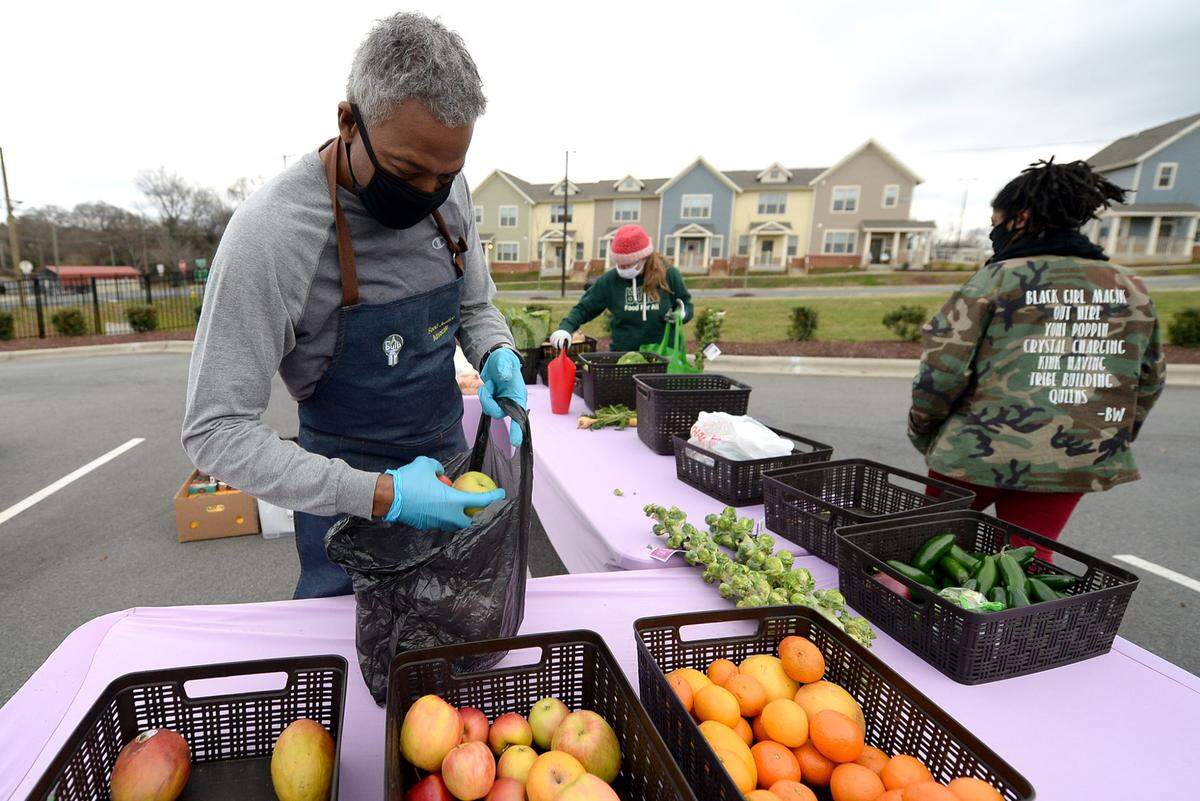
Outside of Charlotte’s urban core, Avramovic said people end up relying on gas stations, not healthy food options. To combat food deserts, the task force recommends:
▪ Building pop-up farmers markets, as well as community gardens.
▪ Fund mobile fresh food buses to specific ZIP codes in the county.
▪ Provide transportation assistance, including partnering with CATS and county-funded ride-sharing programs.