
Over 100 people want this new Charlotte arts and culture job. Here’s what’s next.
Charlotte is on the verge of hiring its inaugural arts and culture officer — and city leaders have a large pool of candidates to choose from.
It’s a three-year position with potentially a six-figure annual salary. The person who lands the job will be in charge of finding sustainable funding streams for Charlotte’s struggling arts ecosystem, following the coronavirus pandemic and a failed 2019 sales tax referendum that could have generated $22.5 million for the local arts sector.
The arts and culture officer would also oversee funding for different community resources and programs, according to the city’s job listing.
City Council members endorsed the role in their new budget, along with the creation of a board of advisers to help with developing a long-term arts funding plan.
For now, Charlotte is using a blend of public funding, matched by private sector donations, for its annual arts allocation. The City Council tapped the Foundation for the Carolinas to dole out grants to artists groups.
The move upended a decades-long model of Charlotte relying on the Arts & Science Council as a pass-through funding agency. Mecklenburg County commissioners, meanwhile, continued to directly fund the ASC in their budget.
The ASC has said it was “deeply disappointed” Charlotte “developed its cultural sector recommendations without seeking public input from individuals artists, creative organize, residents, or ASC.” Over 130 artists and community members also demanded to be included in the process.
As for the arts and culture officer’s job, the city received 111 applicants between June 22 and July 16.
Demographic details of the candidate pool, including race and gender, were not immediately available from the city.
Here’s what Charlotte residents can expect to see from their arts and culture officer — and what’s known so far about the candidate review process.
When will a hiring decision be made?
The timeline is unclear, but city spokesman Cory Burkarth said applications under review now.
Beyond city staff, Charlotte planned to “include other community partners to assist in the evaluation process,” city spokesman Jeremy Mills told the Observer.
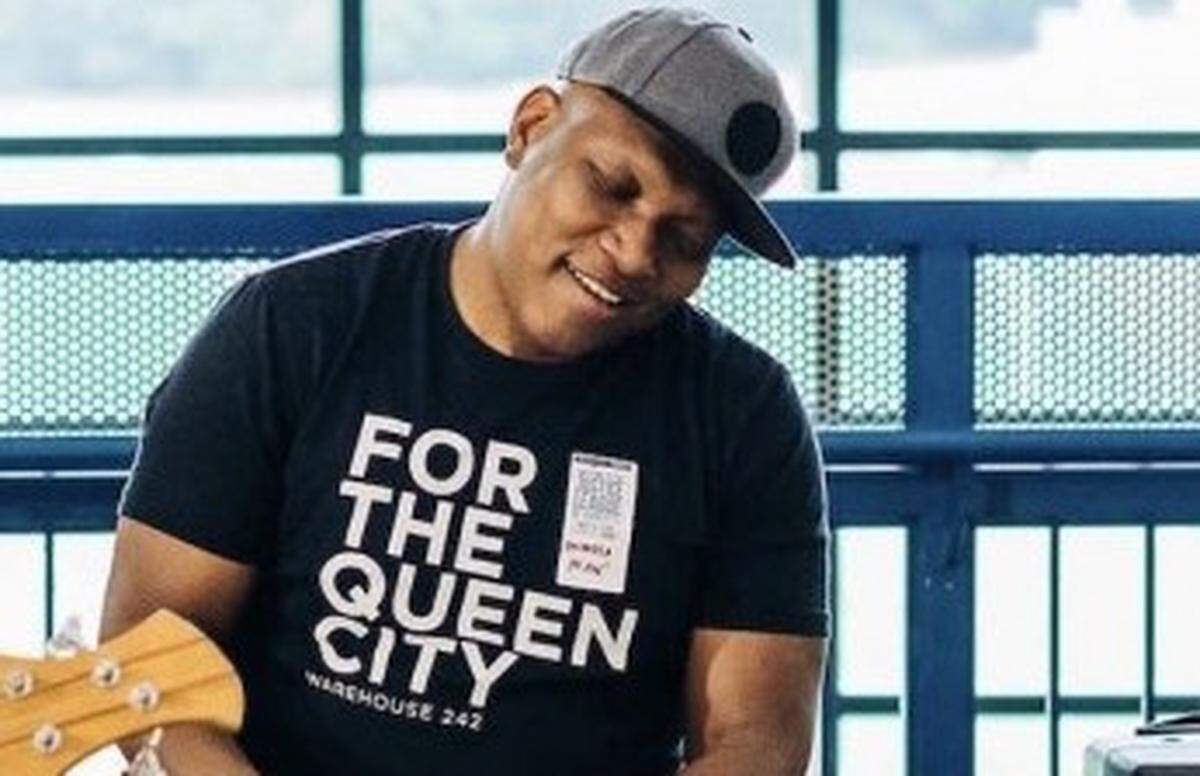
One person who already got a rejection was Charlotte native and jazz musician Harvey Cummings II, who tweeted his rejection letter a few days ago.
It contained a boilerplate message: “After careful consideration, we have decided to pursue other candidates. We encourage you to continue to apply for opportunities with the City of Charlotte via our careers portal.”
That was the only communication Cummings, as well as a fellow rejected colleague, had with the city.
The “vague” application did not include space for a cover letter or ask candidates about their vision for the arts and culture officer role, Cummings said. But in his resume, Cummings tried to spotlight his long history of working with diverse local artists and institutions, including the Harvey B. Gantt Center for African American Arts + Culture.
“I feel like Charlotte has a gate-keeping problem,” Cummings said. “It’s just something I manifested in the past — working with the city, working with the place I’m from... I just want (Charlotte) to be transparent.”
What’s the purpose of the job?
The arts and culture officer would oversee a soon-to-be-created Arts and Culture Advisory Board. Mills said the City Council is expected to make nominations for the board at the Aug. 23 meeting.
The officer, according to the city’s job listing, will devise a long-term culture plan for Charlotte that outlines “a framework for a sustainable and thriving community from emerging artists to established, legacy institutions.
”This will require incorporating feedback and insights from a diverse set of perspectives across the cultural landscape in Charlotte,” the job listing says.
Whoever is hired will report to City Manager Marcus Jones, not to Charlotte Mayor Vi Lyles or the City Council.
Is City Council involved?
Not at this stage.
The Council’s ad hoc Arts and Culture Committee, led by Mayor Pro Tem Julie Eiselt, had conceptualized the arts and culture officer role, plus the accompanying advisory board.
But Eiselt said she and her colleagues have not seen any applications and will likely not need to approve the hiring decision. Eiselt said she was “really surprised” to see the high volume of applicants.
“It’s so wide open as to what (the job) can be,” Eiselt said. “What’s going to be really exciting is when we start populating the committee, or committees, and the free flow of ideas where the community gets to say, ‘How do we support the arts?’ ”
What experience is required?
Preferably, applicants had five years of experience in arts and culture administration, such as managing museums, cultural facilities or performing arts.
Applicants would also need to understand Charlotte’s arts and culture community.
The job listing says candidates should have “experience with applying an understanding of equity and how to prioritize equity in program and policy decisions,” plus be able to “navigate politically sensitive issues with decorum and professionalism.”
What’s the salary?
Somewhere between $81,485 and $106,948, according to the city’s initial job posting in June. But later, the city said the salary would be “commensurate with experience.”
What’s the arts funding model now?
In the current fiscal year budget, Charlotte allocated $4 million from the city’s general fund, plus $2 million from the federal American Rescue Plan, “to support cultural and arts agencies throughout the city and expand cultural art programs and education.”
With a match from the private sector, Charlotte leaders expected to invest $12 million annually, or $36 million in total over the next three years.
In June, however, the Foundation for the Carolinas exceeded its fundraising goal by $2 million. The Knight Foundation later donated $3 million, bringing the total to $23 million.
Michael Marsicano, president and CEO of the Foundation for the Carolinas, asked Council members in July to consider raising Charlotte’s contribution — and use an extra $5 million from federal COVID relief aid — to match the private sector figure.
“We will need every penny to move our cultural sector from survival mode to a place of thriving,” Marsicano said.
But Eiselt pushed back against Marsicano’s request.
The Council, Eiselt told the Observer, must stay conscious of other community needs in disbursing federal relief money, including housing assistance.
What’s next?
When hired, the arts and culture officer will build connections across Charlotte, using that community feedback to form new funding strategies. The officer will work with grassroots arts advocacy groups to ensure “perspectives, insights and ideas are sought from all stratas of Charlotte’s creative ecosystem,” according to Charlotte’s job listing.
The officer is also expected to collaborate with the ASC and Charlotte Regional Visitors Alliance to “improve visibility of and access to cultural programming.”
Another major responsibility, according to the job listing, is to “maintain confidentiality and garner trust with City staff, elected officials, and the community.”
This story was originally published July 30, 2021 at 12:59 PM.