What could normal look like with COVID? Charlotte doctors discuss vaccines, masks and more
READ MORE
How does Charlotte live with COVID?
From restaurants to doctor visits, how will your life change if COVID is here for good?
Expand All
After two years of dangerous surges in COVID infections and months-long mask mandates, North Carolina doctors are looking ahead to the end of the pandemic — but that may not mean what you think.
It’s extremely unlikely that COVID will ever completely disappear in Charlotte or anywhere else, health experts say.
Finding a way to live with COVID will continue to impact health care around the region, in addition to meaning changes to the way Charlotteans learn, work, travel and visit local businesses like restaurants and museums.
Still, doctors are hopeful that omicron — which is extremely contagious but appears to cause fewer hospitalizations and deaths than the previous delta variant — may be a step on the road to a new normal.
Local doctors say the goal is for COVID to go from a pandemic phase to an endemic virus.
That would mean COVID would move away from phases of big surges in infections and hospitalizations, and toward a state where the virus spreads in more predictable, manageable ways, like flu infections.
The rapid spread of omicron has led to rising infections and record high testing positivity rates and unprecedented demand for coronavirus tests in Mecklenburg and across the state in recent weeks.
But in recent days, COVID cases and hospitalizations may have begun to plateau, state data show. And county Health Director Dr. Raynard Washington told the Observer there are some signs the current surge may peak soon.
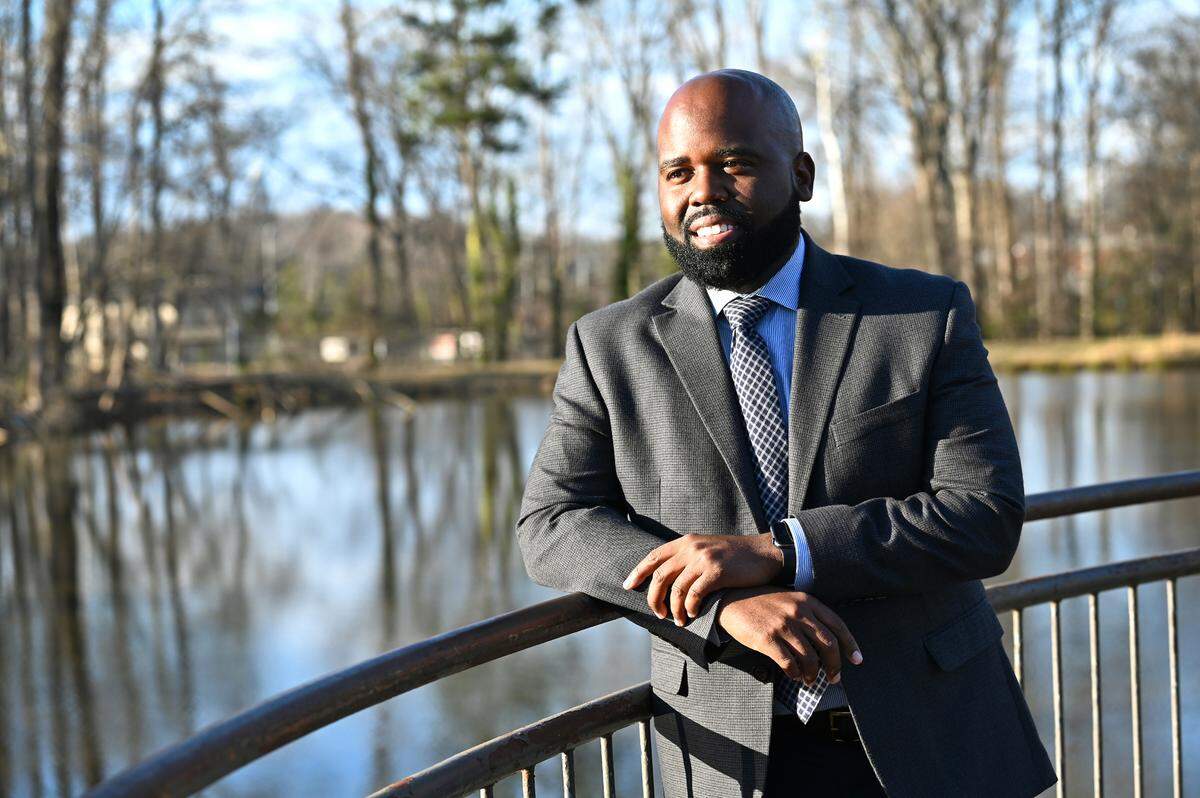
From watching other countries deal with omicron, there could be a quick drop of infections after the peak, he said. “We’re hopeful that happens here,” Washington said, “and are partially optimistic that we might be headed in that direction.”
And over the next few months, Washington expects to hear more about plans to shift COVID monitoring to a long-term strategy, similar to how the county monitors flu cases.
Here’s what local experts say a future living with COVID as an endemic virus could look like in Mecklenburg and its impact on health care in the Charlotte region:
Those COVID tests are here to stay
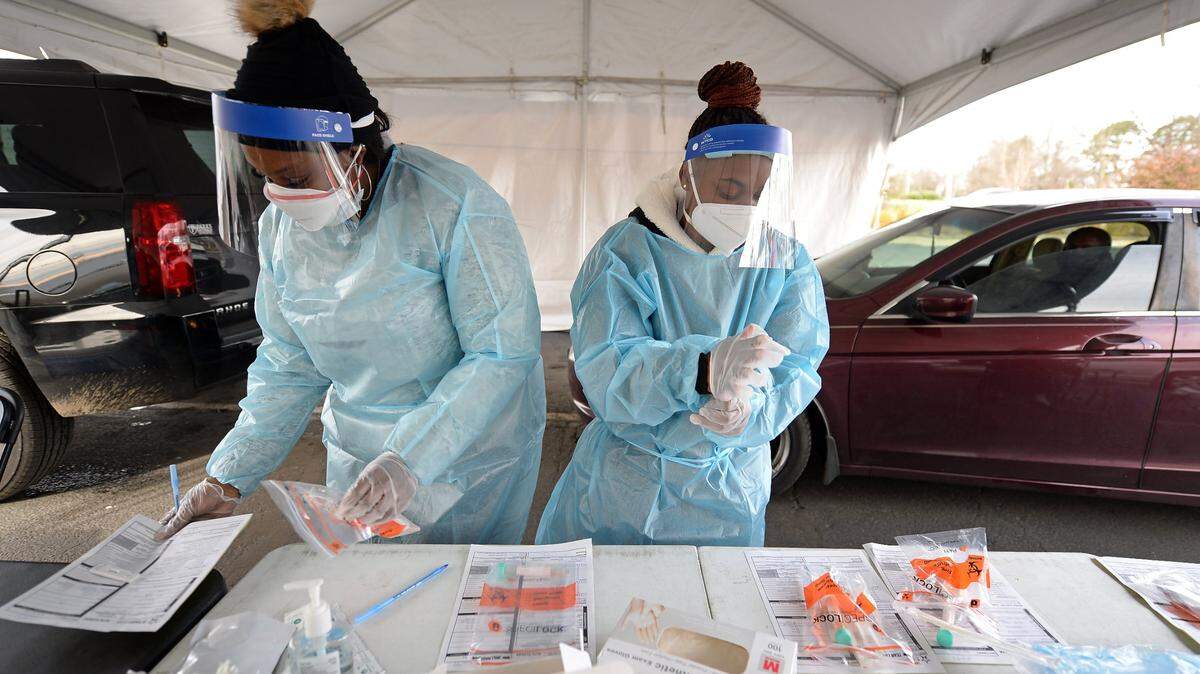
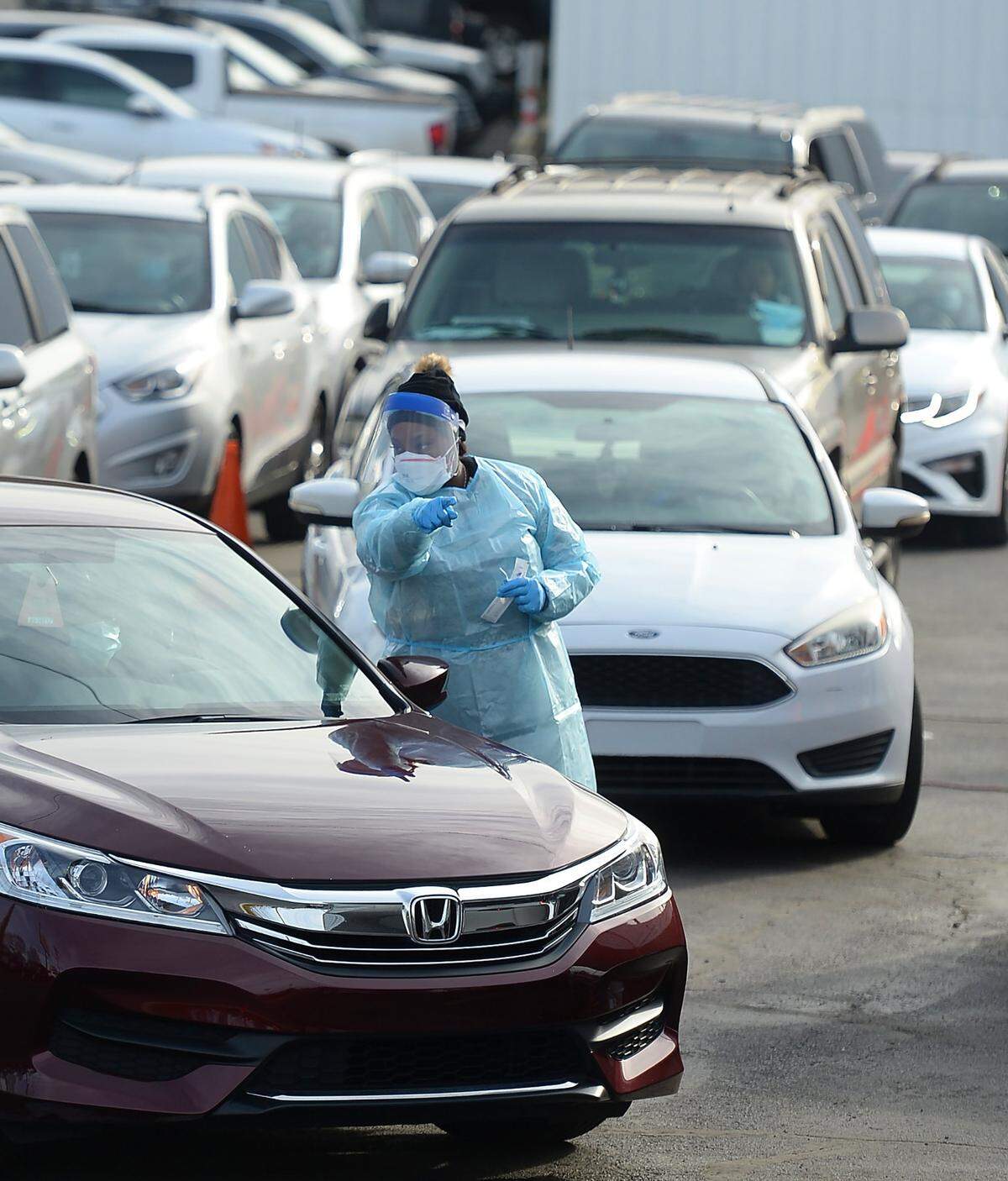
It’s unlikely that demand for COVID testing will go away, StarMed Healthcare Chief Medical Officer Dr. Arin Piramzadian told the Observer.
StarMed has become a major source of drive-thru COVID testing in Mecklenburg in the last two years, partnering with Mecklenburg County Public Health to host additional testing sites.
Testing demand may lessen if the virus becomes less dangerous, Piramzadian said. But it’s likely that testing — and even mass testing sites — are around for the long run.
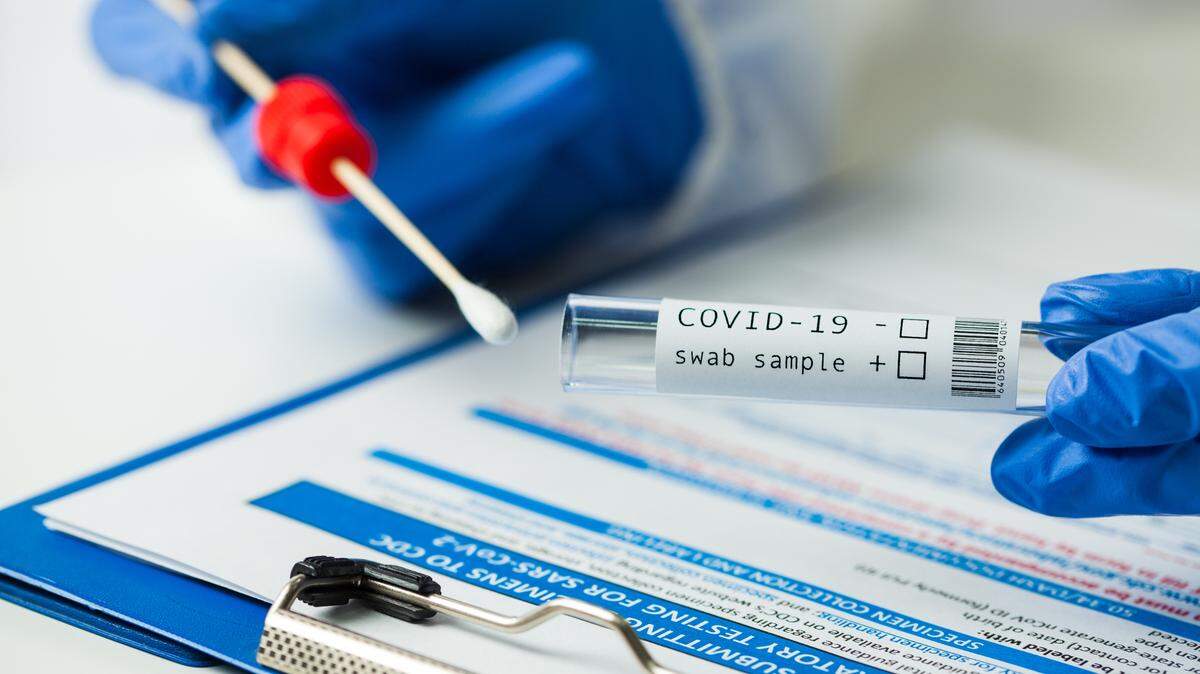
“The reality is: As long as it’s dangerous, and as long as it’s contagious, people will need to be tested,” Piramzadian said. “The same way, every flu season, we do millions of flu tests. Because influenza is dangerous.”
And it’s encouraging that at-home rapid tests are becoming more readily available, Washington said.
Keep wearing face masks
The percentage of people testing positive for COVID has climbed in Mecklenburg, as the county reaches new heights of testing demand.
As of Jan. 16, Mecklenburg’s positivity rate was 32.9% — far above the county’s goal of 5% positivity rate or lower.
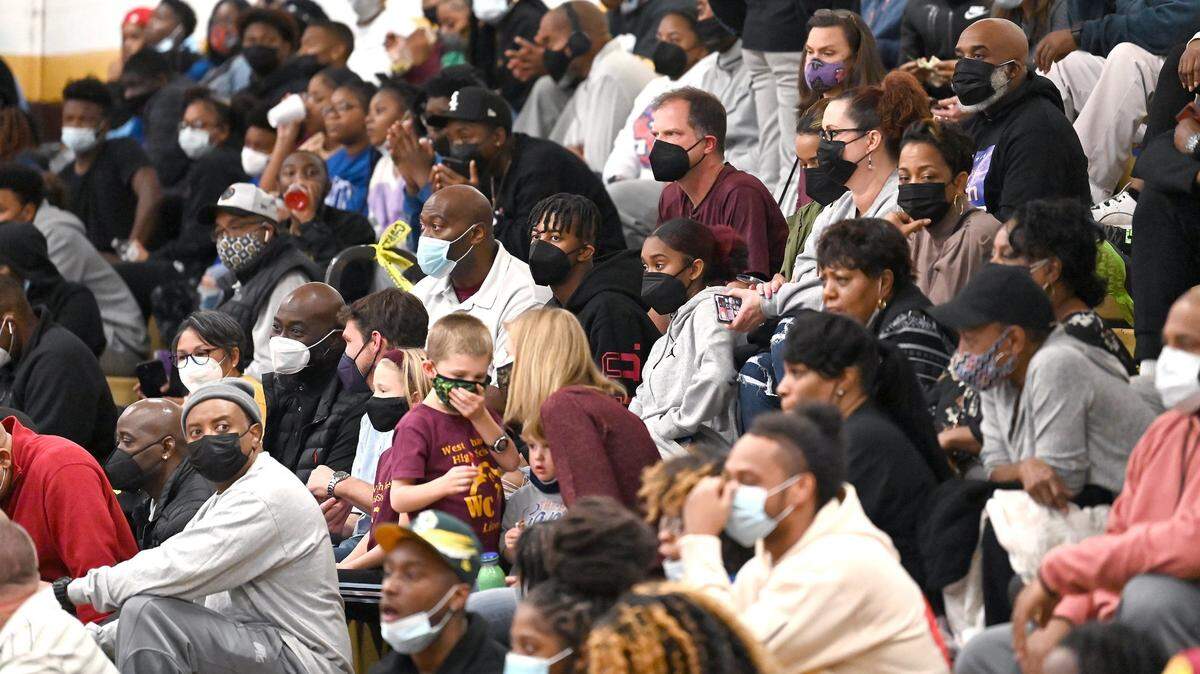
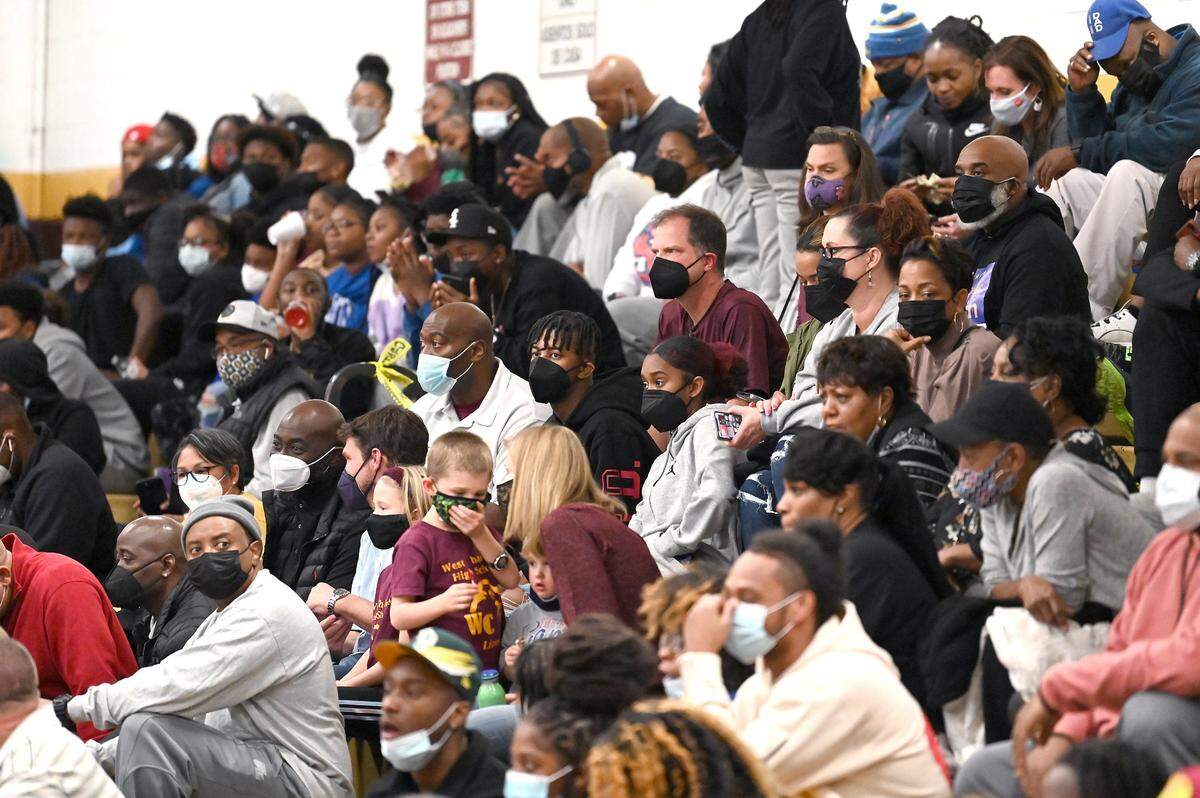
That means the countywide mask mandate could be here to stay for quite some time. Across Mecklenburg, people are currently required to wear masks in public indoor spaces. The county will drop the mask mandate when the positivity rate for county residents is lower than 5% for seven consecutive days.
But if the virus reaches an endemic phase, it’s unlikely masks will be required, Novant chief clinical officer Dr. Sid Fletcher said.
Still, he hopes that people have become more comfortable wearing masks over the last two years. Some people may still choose to wear masks when they’re feeling sick.
Because omicron is so contagious, Mecklenburg is currently encouraging people to wear medical-grade face masks rather than cloth masks when possible, Washington said. That mirrors current Centers for Disease Control and Prevention advice.
“If we can just reduce the spread of infections, it seems to me that everyone should want that — mandate or no mandate,” Washington said. “Everyone should want to help keep our community healthier and safer.”
‘Hospitals aren’t built for pandemic waves’
North Carolina has topped its previous record for the highest number of people hospitalized with COVID multiple times this month, Fletcher said. More than 4,600 people were hospitalized with COVID on Jan. 17.
Novant is treating roughly 760 people hospitalized with COVID across its system as of Jan. 18, Novant Health infectious disease expert Dr. David Priest told reporters. Of those people, 94% are either unvaccinated, or not fully vaccinated, he added.
“What that tells you is that the vaccine is really effective,” Fletcher said. “They’re really good at preventing hospitalization and death.”
On Jan. 18, North Carolina announced it hit another grim coronavirus milestone, with deaths reaching 20,000 people.
Atrium Health, Charlotte’s largest hospital system, has also seen an increase in people hospitalized with COVID. And urgent care providers are seeing 30 to 50% more patients per day than they would on average days, Atrium senior medical director for primary care Dr. Matt Anderson said.
On Jan. 11, Atrium announced it would reschedule some primary care wellness appointments to open those appointments for sick patients.
Across the greater Charlotte region, that includes around 10,000 visits that were postponed, Anderson told reporters recently. More than 5,000 of those postponed appointments have already been rescheduled.
Novant Health has paused some non-emergency procedures in some regions across the state, but has not announced any changes in scheduling procedures in the Charlotte area.
If the virus becomes endemic, surges in hospitalizations will be much smaller and much more manageable, Fletcher said. That’s because in order for the virus to become endemic, communities would have higher immunity levels to the virus and hospitals would have better treatments available for occasional severe cases.
“These spikes that we continue to see in the pandemic phase are just so incredibly difficult to deal with,” he said. “… I liken it to something that I heard a long time ago: Churches aren’t built for Christmas and Easter. Hospitals aren’t built for pandemic waves either.”
Delta, omicron and more variants
Omicron is just the latest variant of COVID to hit North Carolina, following the delta variant.
Omicron has so far proven to cause fewer severe infections than delta, but the variant is incredibly contagious. So hospitals have still been overwhelmed with severe cases due to the sheer number of infections.
But omicron may be a step toward a less dangerous, more manageable virus, experts say, as the spike in infections could provide some natural immunity to many in the community.
And the hope is that future variants will continue to cause fewer cases of severe disease, Priest said.

Still, experts cautioned that vaccinations provide much stronger protections against COVID-related hospitalization and death than immunity from infection. And an increase in vaccinations and the emergence of reliable treatments for severe infections, like new COVID antiviral pills, will be the most effective way to transition COVID into an endemic virus.
Even in an endemic phase, vaccines will remain incredibly important in protecting people from severe viruses and preventing the spread of new variants, local experts said.
And there’s always a chance that even if COVID becomes endemic, a new, more dangerous variant could appear.
Take a look at the Spanish flu of 1918, Piramzadian said.
“It was still influenza,” he said. “It was just a type of influenza that the body was not previously exposed to, so people did not have any way of protecting themselves. So anytime a variant changes to such a degree, you are unfortunately going to have a high mortality rate.”
That’s where annual vaccines may come in, Fletcher said.
He expects to see an increase in studying and monitoring new variants so scientists can change booster doses of the vaccines as needed.
Annual booster vaccines for COVID
It’s likely people will need an annual COVID vaccine or booster dose, Fletcher said.
Annual COVID vaccines would be a similar experience to an annual flu shot.
Still, there likely will be differences between influenza and endemic COVID, experts say. Influenza is a seasonal virus that spikes in the colder months of the year, while COVID cases could remain present throughout the year, with occasional spikes, Fletcher said.
Locally, it seems that COVID spread tends to spike every three months or so, Piramzadian said. But with vaccines and emerging treatments for severe cases of COVID, the virus may be become more manageable.
But the virus won’t become endemic until doctors have reliable and accessible medicines to treat people with severe cases of COVID, Piramzadian said.
“If it’s still killing hundreds of thousands of people — that’s never normal,” he said. “That’s not acceptable. If we have the treatments to manage it… then yes, a normal way of life is acceptable. But we’re not to that point.”
This story was originally published January 23, 2022 at 6:00 AM.
.jpg)