
Charlotte’s $110 million aid package for MLS bid far outpaces other cities
READ MORE
Charlotte MLS expansion
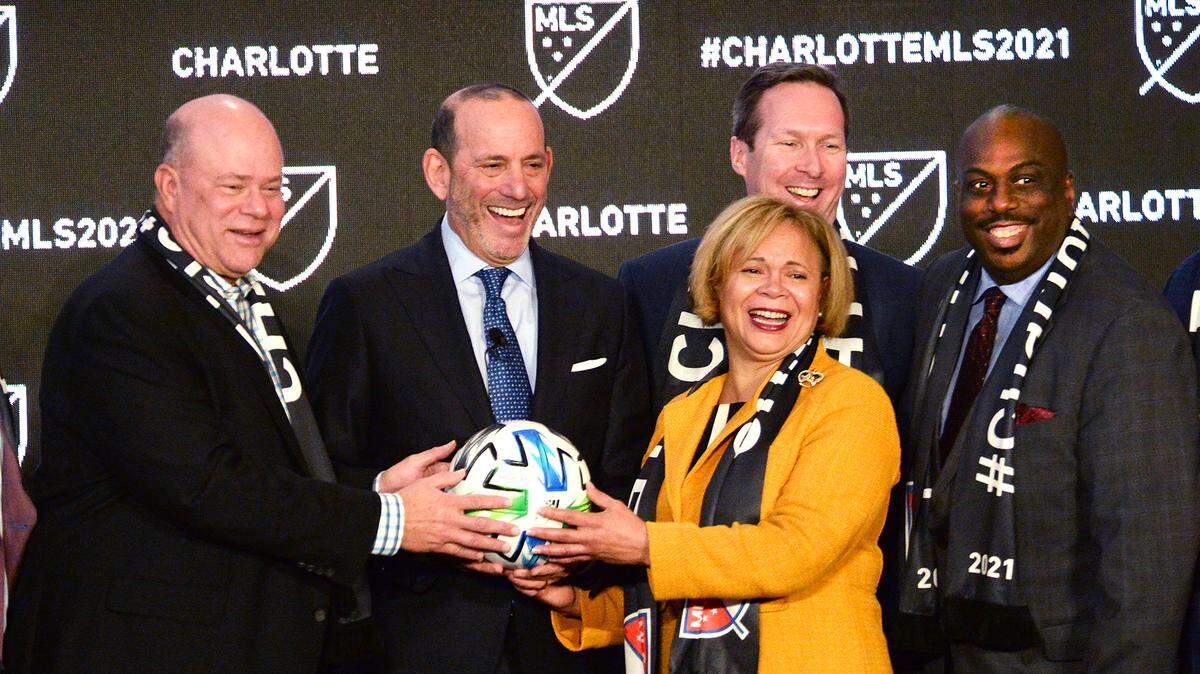
Charlotte will become the host city for the 30th Major League Soccer team. David Tepper, the billionaire owner of the Carolina Panthers, has been instrumental in working to bring a team to the city. The team would play in Bank of America Stadium after renovations are made.
Expand All
Charlotte’s $110-million pledge to help secure an MLS team easily dwarfs the public money spent by other cities around the country that were awarded expansion clubs by the league.
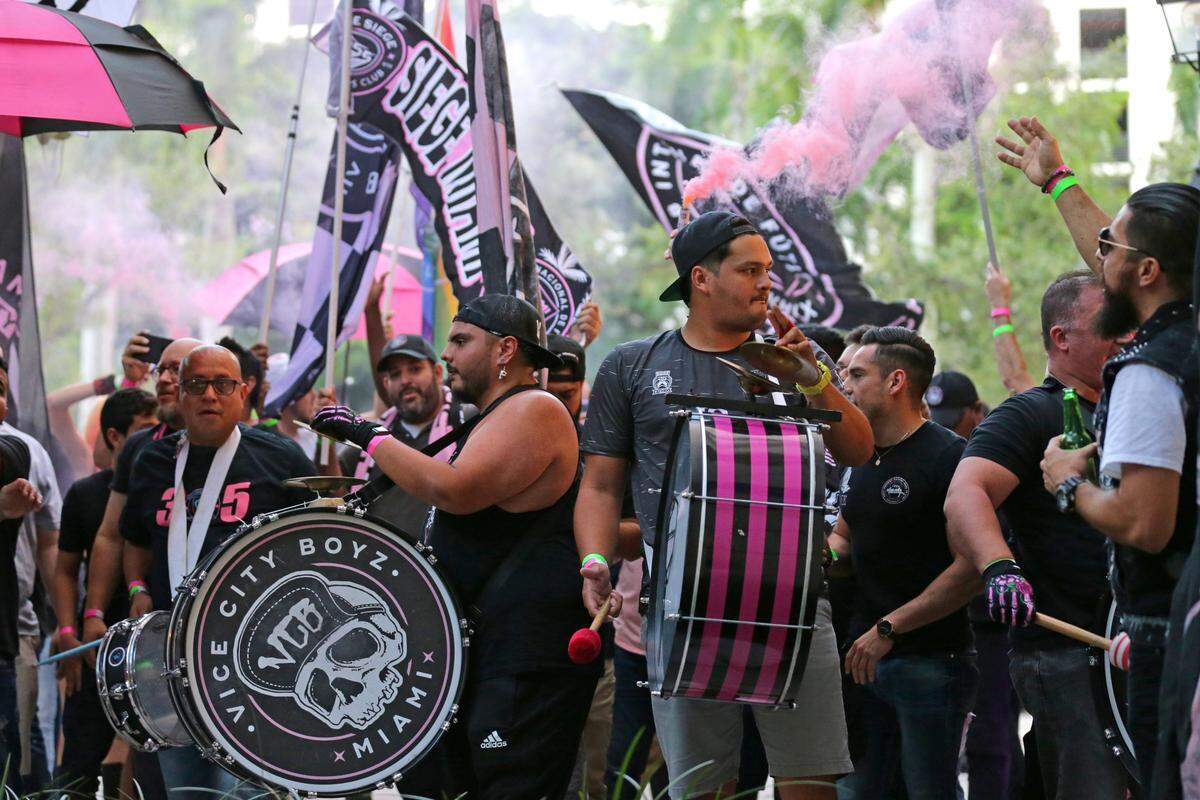
St. Louis and Miami, for example, have all but avoided relying on taxpayer dollars. In those newly minted MLS cities, soccer stadium construction fees are picked up by private donors.
Meanwhile in Charlotte, the City Council is willing to set aside $110 million in hospitality funds “to help ensure a successful venture over the next many years,” Mayor Vi Lyles told MLS Commissioner Don Garber in a letter last month.
In her letter, Lyles also touted the ties between the city and Panthers owner David Tepper, the billionaire force behind bringing MLS to Charlotte. The team would play in the Panthers’ Bank of America Stadium, which needs a number of renovations before the football stadium could host pro soccer matches.
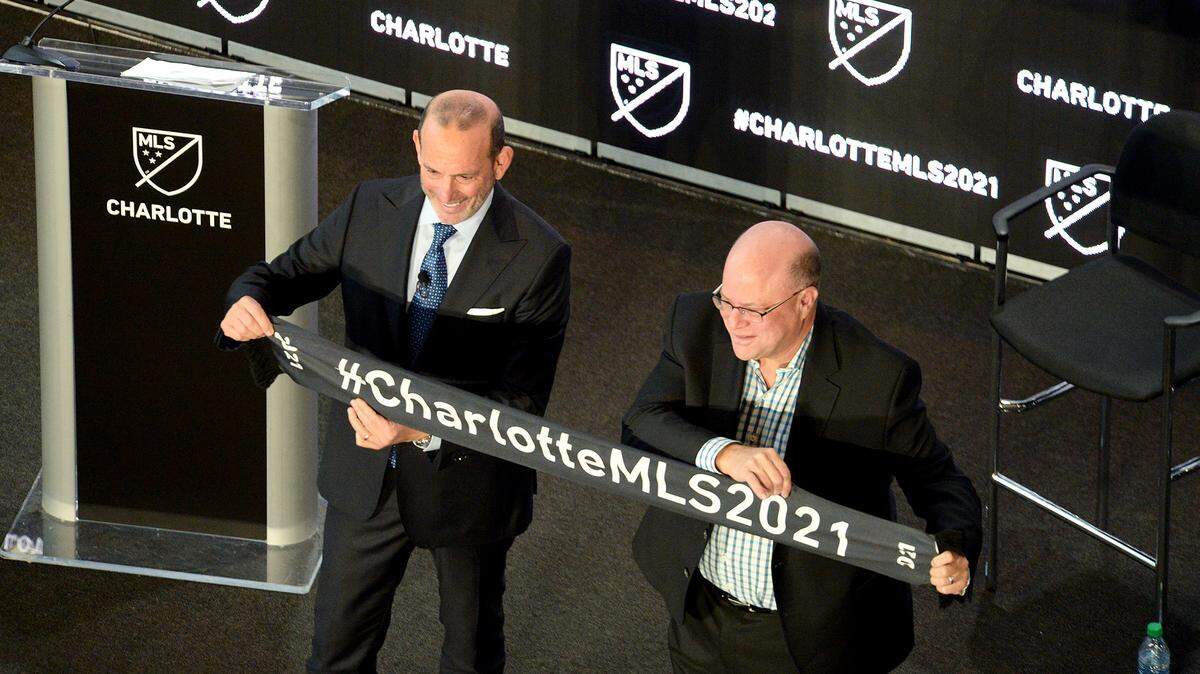
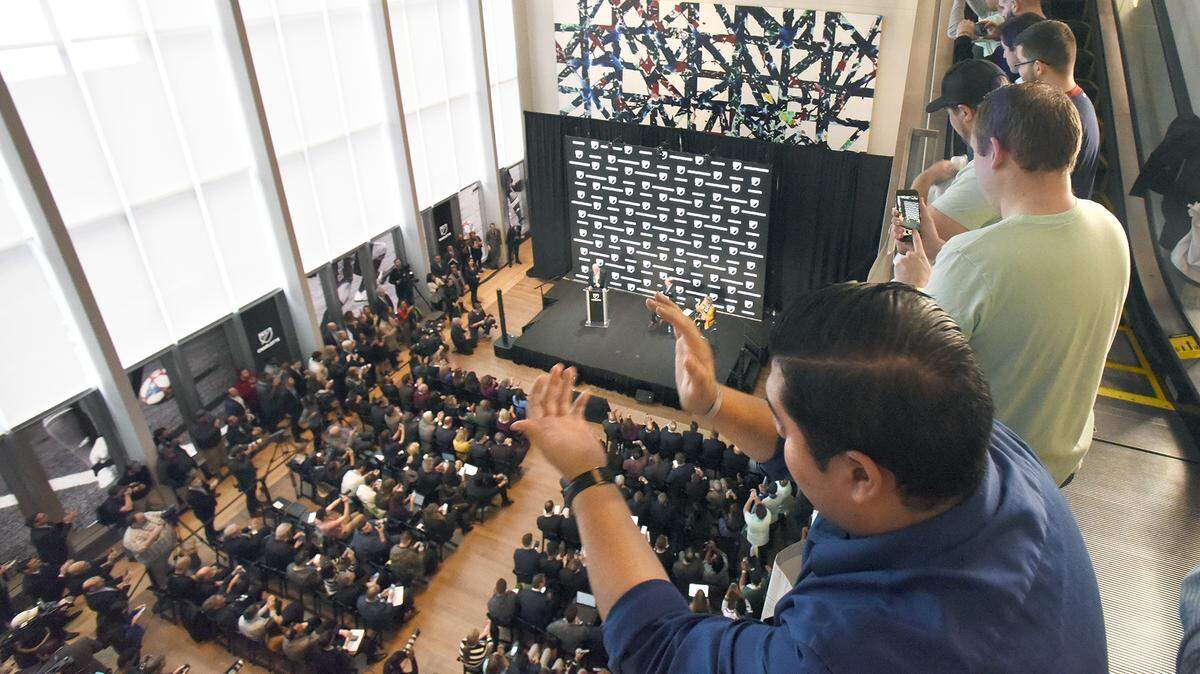
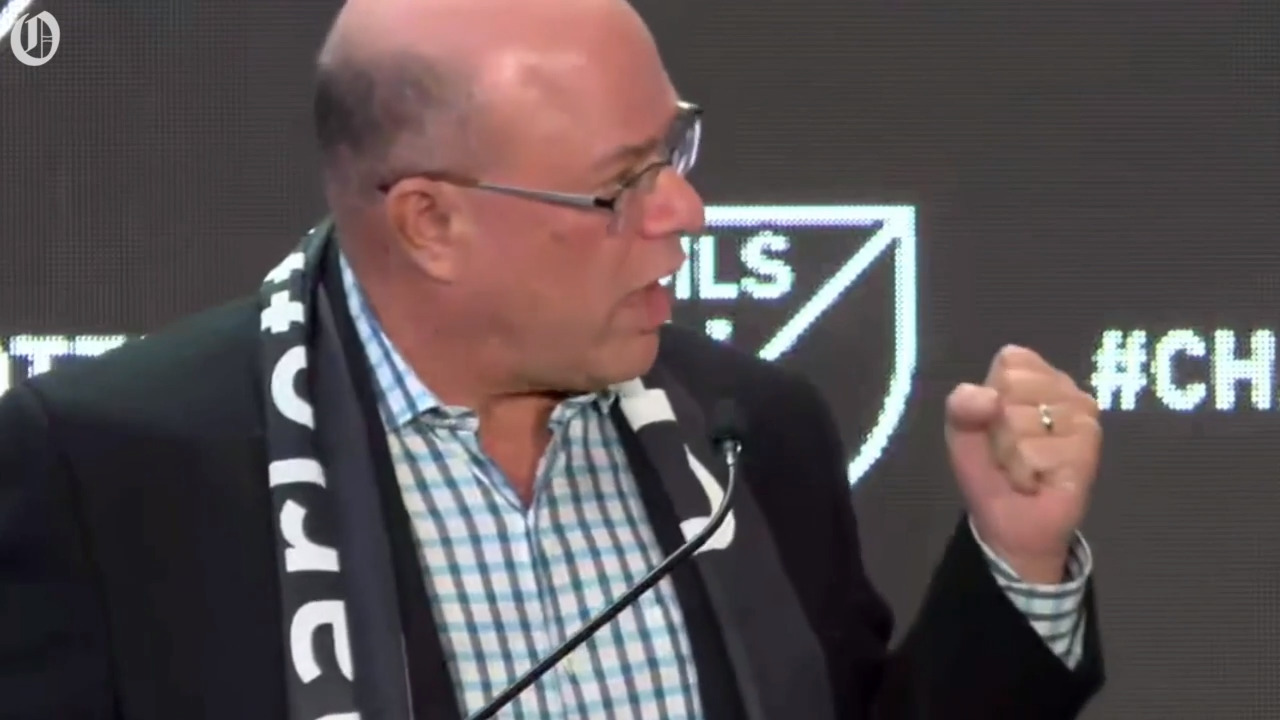
The official MLS announcement with Tepper, Lyles and others is expected Tuesday morning at the Mint Museum Uptown.
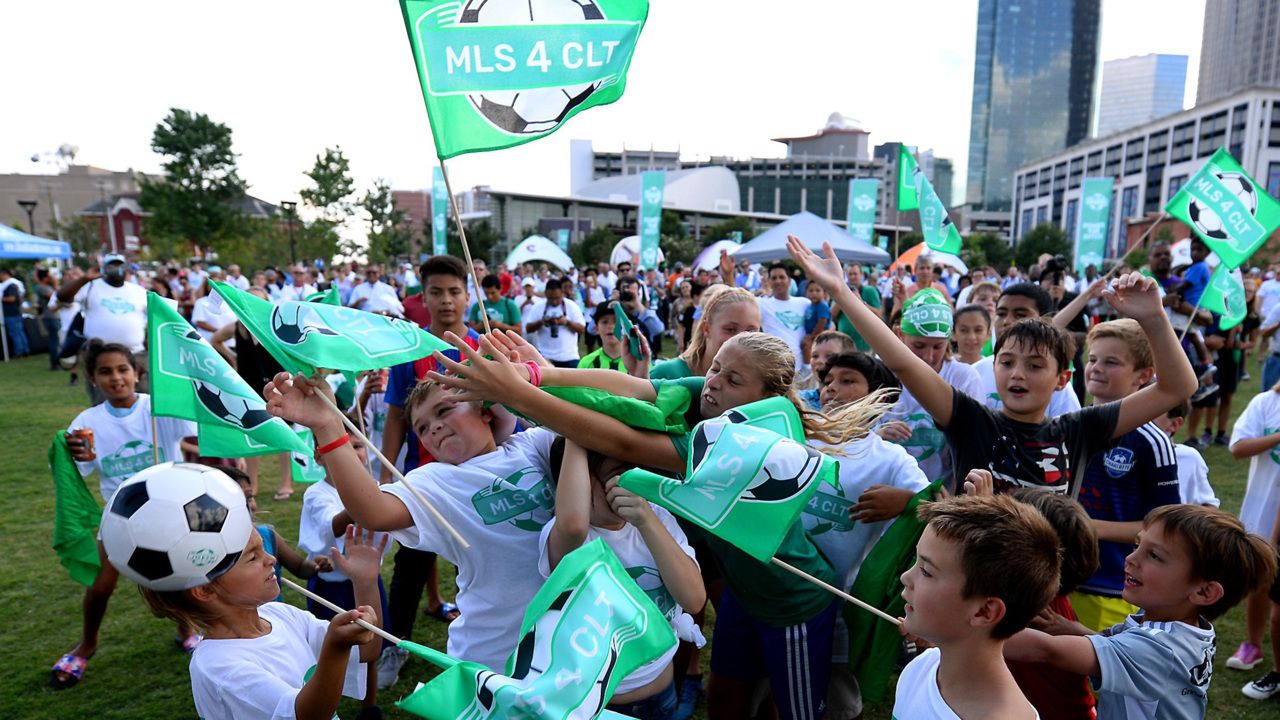
The mayor’s letter, released publicly by the city on Wednesday, also spelled out general commitments for locating the franchise headquarters and practice facilities on the former Eastland Mall site, modifications to the stadium, developing a nearby entertainment district and partnering with youth sports.
The new model for MLS financing revolves around private partnerships — without cities supporting the bulk of the funding, said Frank Mayer, a Pennsylvania attorney who has written about stadium financing.
“It appears to me that the sales tax burden on the citizens of Charlotte is fairly high,” Mayer said. “The idea is to get the private sector to pay for this.”
Few details from Charlotte
Charlotte City Council members remain tight-lipped on how and when the millions would be distributed.
And the use of hospitality fund money needs to be approved in a public vote, which is unlikely to happen until the new year. Such funding can come from hotel/motel tax revenue as well as taxes on prepared food and beverages.
What’s more, the details of any agreement between Charlotte and Tepper have not been announced yet. It is also unclear which expansion cities, if any, Charlotte used as possible frameworks before pledging its tourism money.
How other cities did it
Six cities have already been awarded MLS franchises since 2015 — Nashville, Tenn., Miami, Cincinnati, Austin, Texas, St. Louis and Sacramento, Calif.
Those cities have used complex financing options — blending tax exemptions, land use agreements and bonds for their teams. They also extracted promises of economic development and affordable housing surrounding the stadiums from the teams, in many cases.
▪ Nashville was awarded an MLS team in 2017. The Nashville Metro Council voted to approve a plan to issue $275 million in revenue bonds to finance a stadium project on the city’s fairgrounds, The Tennessean reported in 2017. The team’s owners are expected to pay back that debt over 30 years, according to The Tennessean.
So while Nashville’s contribution is more than double Charlotte’s, the metro council will get its money back, plus interest.
▪ In Miami, after years of soccer star David Beckham pushing for an MLS resurgence in the area, Inter Miami CF is poised to play at a temporary Fort Lauderdale, Fla., stadium this March. The $100-million complex — which features a 50,000-square-foot training facility, six natural-grass soccer fields and a turf field — is privately funded, according to a November story in the Miami Herald.
Plans for Inter Miami’s future home, at a re-imagined golf course near Miami International Airport, remains in limbo. The proposed development includes a 25,000-seat stadium and 600,000 square feet of entertainment, restaurant and retail space, among other amenities, according to the Herald.

▪ Cincinnati’s MLS team was awarded last year. The city agreed to spend $33.9 million to get its stadium ready for the team, the Cincinnati Enquirer reported last year.
But half of that money will be borrowed from the city’s future hotel tax funds. The Enquirer reported the city could pay a total of $45 million over 30 years to pay back $17 million borrowed up front.
▪ Austin, which was awarded a team in January, dedicated no public money for Austin FC, city spokesman David Green told the Observer.
Austin gave the team public land to build a stadium on, but the city retains ownership of the land and the stadium. In the sixth year of the city’s lease, the stadium’s management company — Austin Stadco — would be responsible for a base rent of $550,000 a year, according to the agreement. The land is exempt from property taxes.
Austin Stadco also agreed to contribute $3 million for transit improvements and provide at least 130 affordable housing units in the area, according to the city’s lease.
▪ St. Louis had originally tried to publicly finance its new soccer stadium — for approximately $60 million. But in 2017, voters rejected using a sales tax hike to provide those funds, according to a St. Louis Public Radio report.
Instead, a private group of investors — including the family which owns the Enterprise rental car company — is covering the stadium costs and more than $200 million in expansion fees, the radio station reported. And in November 2018, the city’s Board of Aldermen approved free use of the site and several tax exemptions.
▪ Sacramento was awarded the 29th MLS expansion team in October. The city plans to loan Sacramento Republic FC $27.2 million, pulling from a special reserve fund.
Sacramento’s rationale for the investment, according to a November city council report, was the “economic and cultural benefits the project brings to the City.” Sacramento had also offered the team a $33-million incentive package, including tax rebates and advertising rights.

Stadium location
Charlotte’s deal to support the MLS bid is a sizable increase in direct public funding compared to other recent teams’ offerings. But $110 million still isn’t exorbitant, said Mark Conrad, a sports business expert at Fordham University’s Gabelli School of Business.
“As big-time sports go, $100 million is not a super high amount,” he said. “There may be some economic argument to do it.”
And the rising cost of starting an MLS team could play into the increased public contribution, experts say.
The last two teams that joined the league, St. Louis and Sacramento, each paid an expansion fee of $200 million. Earlier expansion teams Nashville and Cincinnati paid $150 million.
Tepper is expected to pay an expansion fee of well over $200 million.
But having an existing stadium, even one that needs renovations, puts a Charlotte team in a better position than some of the other recent expansion clubs, Conrad said.
St. Louis and Sacramento — both of which are building new stadiums — aren’t scheduled to begin play until 2022. A Charlotte team could theoretically begin playing by 2021 if renovations are fast-tracked, Conrad said.
And the stadium’s uptown location adds to the economic argument for contributing public money, Conrad said. More people going to the stadium for soccer matches could mean restaurants and businesses in the surrounding area see a boost in traffic during the 17 home games in a season.
Lyles’ letter to MLS head Garber also cited plans to “build out an entertainment district” connecting uptown and the Gateway District, which extends northeast from Bank of America Stadium. Adding an MLS team could also help transform East Charlotte — with plans to develop the former Eastland Mall site.
It’s unclear how much of the $110 million, if any, would go to developing those areas. But additional development around the stadium spurred on by the soccer team could be another reason for the city to kick in public money, Conrad said.
“That’s an argument the city will say — we’re revitalizing the area.”
To date, most of the city council’s discussions over spending public money on soccer have happened in closed sessions. So residents haven’t formally weighed in yet.
But during the council’s last meeting, one resident voiced concerns that could foreshadow additional debate.
“What is the logic behind giving billionaires my money?” Juan Euvin asked.
This story was originally published December 13, 2019 at 6:25 PM.
.jpg)

.JPG)