‘He marked his attacker.’ Charlotte man to serve life for murder of newspaper carrier
In the murder trial of the Charlotte man accused of killing a longtime Charlotte Observer carrier, the family of Wes Scott got the news they came for.
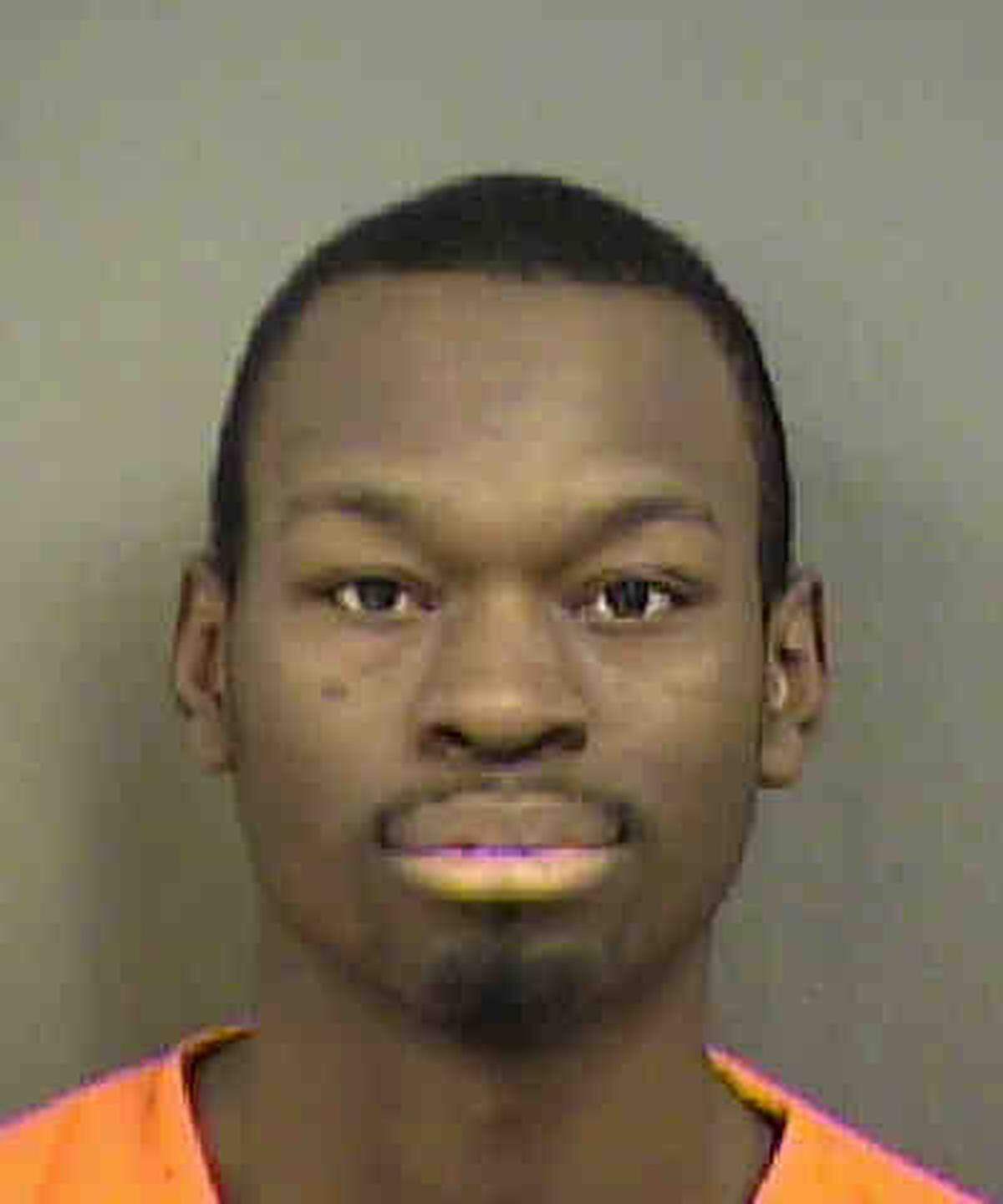
On Monday, a Mecklenburg County jury found Roger Best guilty of first-degree murder in connection with Scott’s death. Superior Court Judge Lou Trosch sentenced the 25-year-old to a mandatory sentence of life in prison without parole.
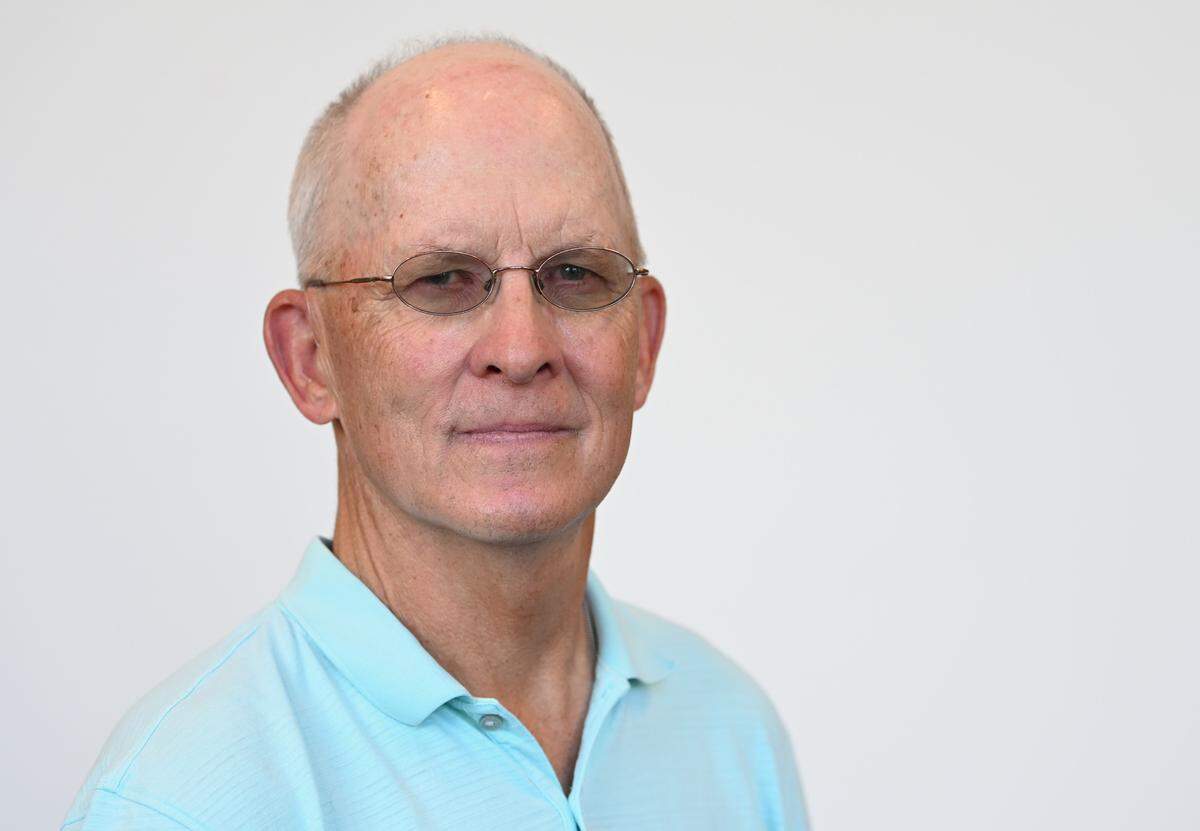
Scott, 65, was gunned down in uptown almost three years ago to the date during an attempted carjacking of his Toyota pickup, which Scott had left running as he dropped off papers at a 7-Eleven near Romare Bearden Park.
Video shown repeatedly during the trial and again at closing arguments Friday showed Scott crossing paths with two men as he returned to his truck. A gunfight quickly broke out with Scott being hit as many as seven times. The retired S.C. constable fired one shot from his own handgun before it jammed and he slumped to the pavement beside the back of his truck.
.JPG "IMG_1428 (1).JPG")
Two blocks away and a few minutes later, Best waved down police on South Tryon Street. He had a gunshot wound to his abdomen and a bullet lodged under the skin of his back. Prosecutors said ballistics testing traced the shot back to Scott’s gun.
Likewise, police experts testified that the casings found near Scott’s truck were fired from the gun Best tossed in the bushes near Knight Theater.
“Wes Scott was the paper guy,” Assistant District Attorney Bill Bunting told the jury Friday, at times pointing across the courtroom toward Best. “But with his final act, he marked his attacker, letting the world know who killed him.”
“He crippled this defendant before he was able to disappear into the night and hide in the shadows. With his final act he decided that no one else would suffer the same fate.
“Wes Scott delivered the paper, but with his final act, he delivered the news,” Bunting continued. “He delivered the news that (Best) would answer for this crime.”
Evidence questioned
Best’s attorney, Samuel Randall did not present evidence or call witnesses. But during a more than an hour-long closing argument the pony-tailed attorney attacked what he described as the holes in the prosecution’s case, which he dismissed as a rush to judgment on a high-profile case.
He said detectives did not collect all the available videos that might have given a more accurate account of what set off the gunfight the morning of Feb. 15, 2017, on Martin Luther King Boulevard.
He repeatedly stressed the fact that Scott carried four weapons on himself or in his truck that night, hinting that Scott may have caused the deadly confrontation when Best and a unidentified accomplice walked by him outside the convenience store.
While he never directly accused police of planting evidence, he asked the jury to consider why Best would throw away one of the Rawlings’ batting gloves he wore that night into a South Tryon recycling bin while the other was found in his pants pocket.
He said police were selective in the evidence they gathered and presented.
“We collect the things we had to show the narrative we wanted to show,” Randall said.
Throughout the two-week trial, uptown Charlotte served both as a backdrop and an unindicted co-conspirator to the crime.
During jury selection, the defense hammered at the notion that the center city was unsafe. A series of videos — from the shooting, to Best allegedly ditching the murder weapon to the circle of Charlotte-Mecklenburg police officers laboring in middle of South Tryon to save Best’s life — cast the center of Charlotte’s entertainment district in an eerie light.
The emotional high point of the testimony came from veteran uptown beat cop David Nance, who had a third-shift friendship with Scott that spanned more than two decades.
Early in the trial, the burly Nance began crying on the witness stand even before prosecutors showed his body-cam video, which captured the officer’s anguish at driving up on the killing scene and seeing that the body crumpled on the ground was Scott.
‘Deliver the news’
The trial was the first homicide case of a new year in which District Attorney Spencer Merriweather pledged to take almost double last year’s number of homicide defendants to trial.
Scott’s family and friends were a constant presence throughout, occasionally leaving their seats before the more disturbing videos were shown to the jury.
Scott, who first threw the Observer as a teenager, had begun telling his bosses that his uptown route had begun feeling less safe, but that he would do his job until the day he died.
Bunting asked the jury to pick up where Scott left off. “It’s your turn to deliver the news,” he said.
“... When you come back into this courtroom, you deliver the news to this defendant.”
This story was originally published February 10, 2020 at 1:02 PM.