
What is the US Marshals Service, and should its deputies wear bodycams?
A deputy U.S. marshal’s fatal shooting of 32-year-old Frankie Jennings at a Charlotte gas station on Tuesday could renew questions about the federal agency’s lack of accountability for killing more people than local police departments do each year across the country.
Charlotte-Mecklenburg police are investigating the shooting. The U.S. Marshals Service said Tuesday it won’t release the name of the deputy or say whether the person is on administrative leave.
A spokesman for the agency’s Charlotte office did not reply to additional questions from The Charlotte Observer on Wednesday. Police referred questions about the deputy’s status to the U.S. Marshals Service.
The deputy was attempting to serve warrants on Jennings out of Carolina Beach, south of Wilmington, the Observer previously reported. On Wednesday, CMPD said additional warrants from Mecklenburg and York counties were being served on Jennings when he was shot.
“Somebody having warrants does not equal a death sentence,” Kristie Puckett-Williams, Smart Justice manager for the ACLU for North Carolina, told the Observer at the scene of the shooting Tuesday.
A recent investigation by USA Today and The Marshall Project found that local task forces set up by U.S. Marshals face less scrutiny despite killing more suspects and bystanders than local police do — an average of 31 shootings by task force members each year, 22 of them fatal.
The report compared those numbers to Houston police shooting an average of 19 people a year, killing eight, and Philadelphia police shooting an average of nine people a year, killing three. Those departments have about 6,000 officers apiece, about the same number in the U.S. Marshals Service and its task forces, according to the investigation.
The task forces mostly include local police who are deputized as federal agents, according to the investigation. Once deputized, those officers can make arrests in jurisdictions other than their own.
What is the US Marshals Service?
The service was the first federal U.S. law enforcement agency, founded in 1789, according to its website, USMarshals.gov.
The president appoints a U.S. marshal for each of the country’s 94 federal judicial districts. About 3,738 deputy U.S. marshals and criminal investigators work for the agency, its website says.
In 2018, President Donald Trump appointed Greg Forest as U.S. marshal for the 32-county federal courts district that includes U.S. courthouses in Charlotte, Statesville and Asheville. Forest is the son of Sue Myrick, a former Charlotte mayor and U.S. congresswoman.
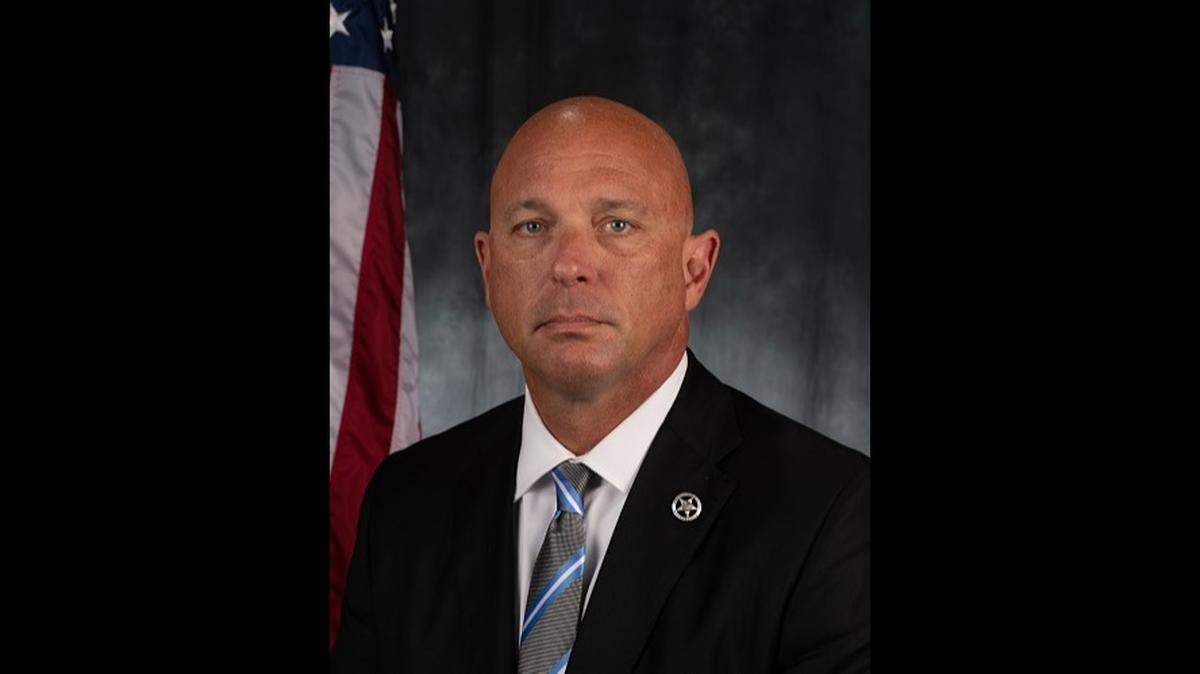
The service is “the enforcement arm of the federal courts, involved in virtually every federal law enforcement initiative,” according to its website.
It’s the primary federal agency investigating fugitives.
What tasks do marshals perform?
The U.S. Marshals Service:
▪ Tracks down suspects who have outstanding federal warrants. Deputies and members of the task forces arrest an average 310 fugitives each day across the country, according to USMarshals.gov.
Those arrests clear an average of 90,446 warrants a year, according to the service.
The investigation by USA Today and The Marshall Project, however, found that about two-thirds of arrests by deputies and the task forces since 2014 were of suspects wanted on local warrants.
The U.S. Marshals Service says on its website that it also assists state and local agencies “in locating and apprehending their most violent fugitives.”
▪ Protects federal courts.
▪ Manages and sells assets that were illegally obtained by criminals and seized by law enforcement.
▪ Houses federal prisoners and drives them to and from court.
▪ Operates the federal Witness Security Program.
Do they wear body cameras?
Deputy U.S. marshals aren’t required to wear body cameras. Neither are investigators with any other federal law enforcement agency.
Is it time for a change in federal law to require them?
Several national groups think so, including the International Association of Chiefs of Police.
“Body-worn cameras provide officers with a reliable and compact tool to systematically and automatically record their field observations and encounters,” according to the association’s website.
Such cameras have become “very popular” in the U.S., with thousands of police departments assigning them to their officers, according to the Center on Media, Crime and Justice at John Jay College of Criminal Justice in New York.
The libertarian Cato Institute found that 89% of Americans support such cameras.
According to the institute, 74% of those surveyed believe the cameras “will equally protect both the police officers that wear them and the citizens who interact with the police.”