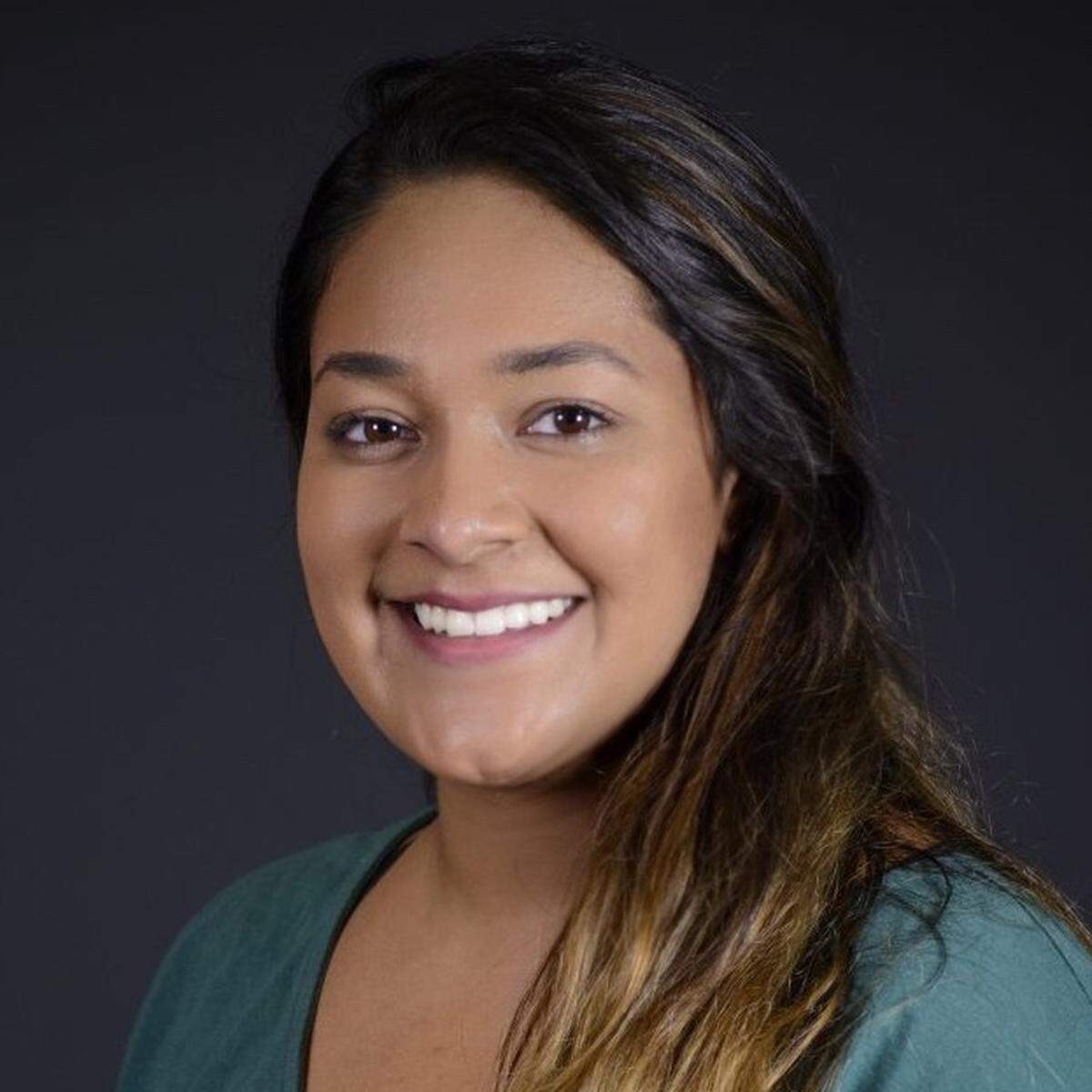
‘Feels like freedom.’ What National Coming Out Day means to LGBTQ Charlotteans
National Coming Out Day, celebrated on Oct. 11 this year, is meant to recognize the complicated rite of passage many LGBTQ+ people experience in their lifetime: ”coming out” about their sexuality or gender identity to their families, friends and community.
There’s no one right way to come out, and it can mean different things for different people.
We interviewed six LGBTQ+ Charlotteans about their coming out journeys.
No matter how varied their stories, they agreed on one thing: It always gets better.
A mother’s love
Growing up in Utah wasn’t the easiest thing for an undocumented, closeted kid.
Candelario Saldana was born in Mexico, and moved with his family to San Diego, then Chicago, and finally, Salt Lake City, when he was 7.
Unlike his friends, he wanted a boyfriend, even at that age. But he remembers what he’d hear at his Pentecostal church and the derogatory terms his stepdad called feminine-presenting men.
“On an almost daily basis, I would get on my knees and ask God to get those feelings out of me,” Saldana said. “I kept asking myself, ‘Why is God not listening to me?’ I’m praying, I’m doing everything I’m supposed to do. But nothing really changed.”
At 15, Saldana left a letter on the kitchen counter addressed to his mother before he left for school.
“I explained that I had tried to pray it away,” he said. “I didn’t want to let her down, but there was just no way I could go on without being who I truly was.”
When he got home that day, his mother was crying in the kitchen.
“She didn’t want to talk about it. She gave me a hug and said that God will help me. I just nodded and went downstairs to my room, so I thought she had accepted it,” he said. “And then a couple of months later we ended up getting in argument about my brother, and she brought it up and said she didn’t want me in her house.”
He ended up moving in with his aunt for some time, but wanted to return to his friends and life in Salt Lake City. So he reached out to his mother, and she allowed him to temporarily rent a room in her house. But he eventually left because she was still uncomfortable, and he had to find his own way to college.
It was during college that Saldana’s boyfriend died by suicide. Saldana’s friends reached out to his mother when he was grieving, and it was then she finally came around.
“Seeing me in that despair and that situation of consuming alcohol to try to get emotions out and feeling like my world was falling apart, that’s when she realized that love was love,” he recalls.
Now, Saldana says his mother is his best friend. And when his brother came out as transgender, his mother readily accepted and supported him.
“My pain and suffering of coming out, eventually it made a huge difference in my brother’s life,” Saldana said.
Next December, his mother will be standing next to him at his wedding.
Bonds of family
Gwendolyn Rawls’ family is tight-knit — even extended family members travel long distances for annual get-togethers.
That’s why it was so shocking, she said, when the first time she brought her long-term partner along for a reunion, her mother dumped Kool-Aid on her girlfriend.
“There was definitely some drama,” she said, laughing at the memory.
Rawls has been out to her family as “same-gender-loving,” she said, since she was about 27. She’s 73 now.

Raised in Washington, D.C., Rawls said when she was first coming to terms with her sexuality, she had to take a break from church because of her guilt.
“All I’d ever heard was that being gay was an abomination,” she said.
In 1997, she started going back to church at Inner Light Unity Fellowship in south D.C. It was an affirming church, with a gay pastor and LGBTQ+ members.
“That was the beginning of my healing,” she said. “Just being able to hear the words ‘God’ and ‘gay’ in the same sentence, I felt safe.”
That’s where she met her partner, Bishop Tonyia Rawls. The couple moved to Charlotte in 2000 to start Unity Fellowship Church, a beacon for Black LGBTQ+ folks looking for spiritual affirmation.
“The gay community in Charlotte was hungry for that relationship with God,” she said. Even in church spaces with more traditional beliefs, the couple was open. “If any church asked Tonyia to speak, she always introduced me as her wife.”
Things are much less dramatic these days. She and Tonyia have been married for 22 years, and in 2015, they actually hosted the family reunion.
“Do not change who you are because your parents don’t understand. I could have gotten bitter,” she said. “But then there would have been no healing.”
‘It feels like freedom’
Hunter Sáenz’s finger hovered over the “post” button three months ago.
Holding his phone, he considered the weight of his decision to come out. It was only a couple of weeks prior that he officially told his family in Texas that he was gay.
Sáenz, who works as a reporter for Charlotte news station WCNC, grew up right outside of Houston in a conservative, faith-based household. Up until college at Syracuse, he just dated women.
He moved to Madison, Wisc., after graduation, and his long-term relationship fell apart. That’s when he decided to do some internal searching.
“I took a year off to find myself — who I was, not necessarily who I wanted to be,” he said. “Well, I had always known who I was. I just didn’t accept who I was.”

By the time he moved to Charlotte three years later, he had started dating men and felt much more like himself. He considered Charlotte a fresh start.
“I didn’t want to hide anymore. I didn’t want that journey here… I wanted to be me,” he said. “And from day one, Charlotte and its people opened its arms around me.”
Sáenz said his coworkers and friends have been supportive, and lots of therapy has helped, too — but his family still didn’t know until a few months ago.
Coming out went better than expected, he said, but not without some roadblocks. He hasn’t heard from his grandfather since that day.
“It’s really hard to describe and to explain. It truly was exhausting, hiding that part of me, so I finally felt this sense of freedom,” he said. “It still makes me smile ear to ear when I talk about it because I know how difficult it was to get to this point. I know the fear and tears it took, the hard work it took to finally accept who I was for myself and then offer it to the world to see if they would accept.
“It’s a relief. It feels like freedom, and it just feels really, really damn good.”
Sáenz tweeted the photo on June 30.
In the shot, he’s staring resolutely into the camera, fist propping up his jaw. Fractured, multicolored light illuminates half his face in a rainbow.
“I’m finally free,” the post reads.
His phone dinged. The likes started coming in.
Coming out twice
Rell Lowery, Charlotte Black Pride trans liaison and native Charlottean, is pretty experienced at coming out at this point — he’s had to do it twice.
The first time was when he was 15 when he told his family he was a lesbian, and his mother’s reaction was tough on him. He kept that in mind when he came out again more recently as a transgender man.

Growing up, Lowery always hated getting his hair done and hated wearing Easter dresses and stockings, and always preferred looking masculine.
As an adult, he’d go to church and pray, and then he’d go to his parents house and try to tell them he was transgender out. He’d wanted to tell them for months. Finally, he just blurted it out.
“Her face wasn’t shocked,” he said of his mom. “Her response to me was that she loves me regardless and nothing changes the fact that I’m her child.”
Even more, she wanted to make sure he was going on this journey with the best doctors and the best medications.
“I understand that this might not be easy for you, but I want you to do it the right way, the way that is going to keep you safe and healthy,” she told Lowery, he recalls. “Because you’re supposed to bury me, not the other way around.”
Lowery said he’ll never forget those words.
He knows he’s one of the lucky ones.
“I’m just grateful for the support that I have… that’s why I have always made it a point to make sure that anyone that is in my circle, I introduce to my family, especially if I know that they don’t have that support,” he said. “At the end of the day, we only get one lap around this world. And if this is who you are, that’s who you become. Never let anyone change that.”
A late bloomer
Jenny-Jaymes Gunn sometimes feels a sense of deja vu.
She’s been young and reckless, parented a child, had a decades-long career, and moved across the country.
But she’s getting to do it all over again. She’s sometimes the only 52-year-old in a group of 20 and 30-somethings at drag shows on weekends.
“The cool thing is I’ve been able to live multiple lives,” she said. “This is my second puberty.”
Since Gunn moved from Texas to North Carolina three years ago, she’s gotten deeply involved in the LGBTQ+ community in Charlotte, socially and as an advocate. Gunn identifies as a pansexual, genderqueer trans woman.
“I’ve known it my entire life — way before the Google machine or anything like that — but it didn’t mean I was going to come out,” she said. “As far as coming out, that’s been a slow boil.”
She first thought about coming out to her family back in 2003, but then her brother died. She said she didn’t want her parents to experience two deaths, in a sense.
“I don’t know if my parents, especially my mom, could have handled losing both of her sons,” Gunn said. So she waited longer.
In 2016 when she started living as Jenny and made some physical changes, there was no way of hiding it any longer. The same day she went on estrogen, she came out to her mother and called her father to tell him, too.
Gunn’s relationship with her mother ended, but her father had always wanted a daughter.
“He called me and said he loved me and was proud of me. It’s been strange and pretty emotional, and I’m grateful to have him in my life,” she said. “He came and saw me two weeks after. He wanted to see his daughter with his own eyes.”
Being older has helped with the pain of losing her relationship with her mom and other frequent uncomfortable experiences, like being stared at in public, Gunn said.
“Most who come out are typically fairly younger, under 30. You don’t hear many late bloomer stories, and when we do come out, it’s different. I have a lot of life experience…. And in a lot of ways, it helped cushion the blow of coming out and transitioning,” she said. “But I also have less years to enjoy this.”
That’s why she’s dedicated her life to service work for her community. Gunn hasn’t dated anyone in two years, but she doesn’t feel like she’s missing out — she’s already had great loves.
“My community… that’s all I think about every waking minute,” she said.
On spirituality and sexuality
When Tara Gibbs looks back, the signs were all there.
Crushing on another girl in her anime appreciation club, being a little too strong of an “ally,” writing in her diary about a teammate on her basketball team — she remembers it with a laugh now.
“It all makes sense,” she said.
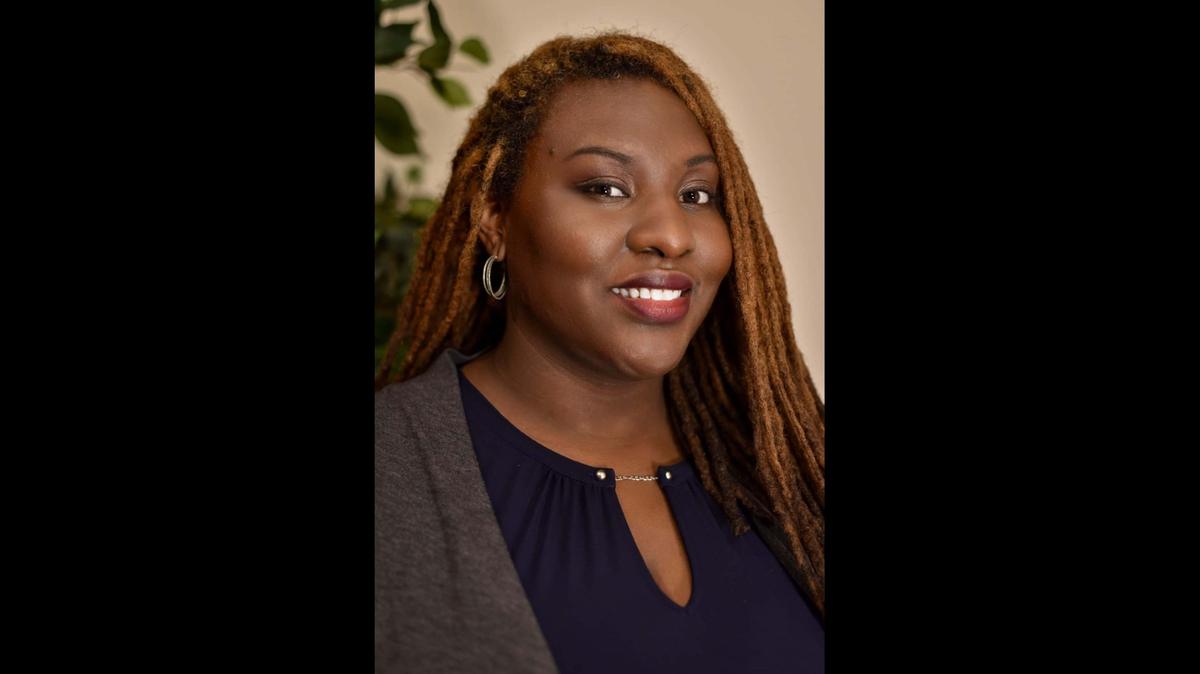
She knows her sexuality would have been hard for her to reconcile at the time, though — she had a lot of unlearning to do.
Growing up in rural North Carolina, Gibbs’ family went to church every Sunday.
“As I look back, I can say that I never felt that my parents were hateful or bigoted or instilled that in me. But they were very religious,” she said. “It was very clear that I was going to become a minister.”
It was at seminary at Princeton that Gibbs joined LGBTQIA+ advocacy groups and started to realize she related a little too closely to the stories she heard.
“There was a very specific night — I cried listening to so many peers of different faiths share their stories, and they prayed so hard that God would take their sexuality away. Seeing the tears in their eyes and hearing their suicidal thoughts, there was no way in my mind and faith that God would ever put that on someone and it would be a sin and be wrong,” she remembered. “That was a really clear moment for me in my mind that God loves us, not in spite of but because of.”
Her journey continued in Charlotte. When she arrived in January 2017, she was dating a man. She joined an anime appreciation group to make friends, and really liked hanging out with the group’s founder. They started dating after Gibbs and her boyfriend broke up.
She came out to her parents recently as bisexual.
“There was still some hesitation — I was worried about what they picked up in church,” Gibbs said. “Going to seminary, I was able to unlearn a lot of things about church, about homophobia. It’s been a journey.
“We are human… we’re complex and nuanced. You have room to explore, and what you find is always going to make you better. What you find — love that part of you.”